What it is
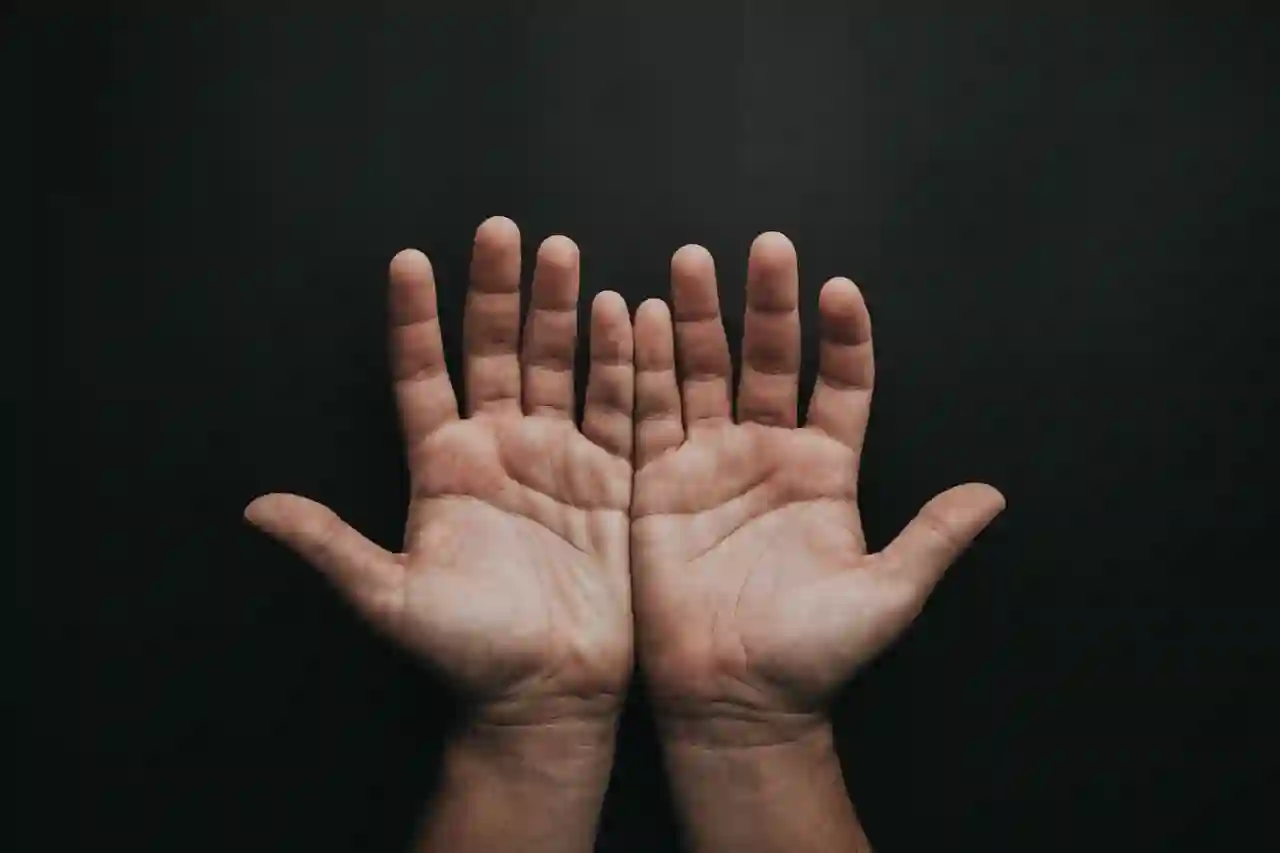
Palmistry reads your hand's lines and shapes as symbolic maps for self-reflection.
Read Your Hands, Reflect Your Path

At a glance
What it is
Palmistry reads your hand's lines and shapes as symbolic maps for self-reflection.
Why explore it
It offers a curiosity-driven way to explore personality patterns and life themes.
How it’s experienced
A practitioner reads your palm's features and shares reflective, symbolic interpretations.
Evidence context
Palmistry has no scientific backing and is best used as a reflective, not medical, tool.
See the evidence snapshotSafety
It's non-invasive, but never use it in place of medical, mental health, or legal advice.
See staying safeHistory & Origin
Palmistry, also known as chiromancy, is a metaphysical practice that involves the reading and interpretation of the lines, shapes, mounts, and textures of the human hand to gain insight into an individual's personality, life patterns, and potential future experiences. Rooted in ancient traditions spanning multiple continents and cultures, palmistry has been practiced for thousands of years as a tool for self-reflection and guidance. Today, it occupies a place within the broader landscape of intuitive and metaphysical wellness modalities, attracting those who are curious about self-discovery beyond conventional frameworks.
Practitioners of palmistry, often called palmists or chirologists, examine features of both hands — typically distinguishing between the dominant and non-dominant hand to explore what is seen as inherited tendencies versus lived experience. Key areas of focus include the major lines of the palm (such as the heart line, head line, and life line), the shape of the fingers, the presence and prominence of the hand's fleshy mounts, and overall skin texture. Each of these features is traditionally believed to carry symbolic meaning related to areas such as emotional life, intellect, vitality, and relationships.
It is important to note that palmistry is classified as a metaphysical practice and is not recognized as a medical or psychological diagnostic tool by mainstream health or scientific institutions. Its value, for those who find it meaningful, tends to lie in its capacity to prompt self-reflection, encourage introspection, and offer a symbolic language through which individuals may explore aspects of their personality and life journey. Gyfts presents palmistry as a traditional-use modality, and any insights gained through a session should not be used as a substitute for qualified medical, psychological, or legal advice.
The origins of palmistry are ancient and cross-cultural, with evidence of hand-reading practices found in civilizations across South Asia, China, Egypt, Persia, and ancient Greece. Some of the earliest systematic writings on the subject are traced to the Indian subcontinent, where hand analysis was woven into Vedic and Jyotish (Vedic astrology) traditions thousands of years ago. From there, knowledge of chiromancy traveled along trade and cultural exchange routes into the Middle East and eventually into Europe.
In ancient Greece, figures including Aristotle are said to have written about the significance of the palm's lines, though many of these attributions are difficult to verify historically. During the Middle Ages in Europe, palmistry flourished alongside other esoteric arts, though it was periodically condemned by religious authorities. The practice experienced a significant revival during the 19th and early 20th centuries as part of a broader cultural interest in occultism and metaphysical inquiry. Today, palmistry persists globally as a living tradition, practiced across many cultures with regional variations in methodology and interpretation, and continues to attract curiosity as both a folk art and a tool for personal reflection.
Mechanism
Palmistry works by interpreting the physical features of the hand as a symbolic map of personality and life patterns.
Your first visit
A typical session outline to help you feel prepared
A palmistry session is a guided conversation where a reader interprets the lines, shapes, and mounts of your hands to explore your personality, life themes, and potential paths forward.
Your reader greets you and takes a few minutes to learn what drew you to the session and what areas of life you're curious about, such as love, purpose, or transitions.
The reader asks to see both hands and explains the difference between your dominant and non-dominant hand, one reflecting lived experience and the other your innate potential.
Before looking at lines, the reader observes the overall shape, size, and texture of your hands, which offer clues about your temperament and how you engage with the world.
The reader traces and interprets your heart, head, and life lines, sharing what patterns, breaks, or markings might suggest about your emotional nature, thinking style, and vitality.
Fleshy areas at the base of each finger and the palm are examined for fullness or flatness, each linked to qualities like creativity, ambition, intuition, or communication.
The reader pauses to invite your thoughts, weaving your personal context into the interpretation so the reading feels relevant rather than generic.
The session wraps with a summary of key themes and any patterns worth sitting with, usually lasting five to ten minutes, leaving you with threads to reflect on rather than firm predictions.
The Evidence
What the evidence says about palmistry, its traditional roots, and how to engage with it thoughtfully.
Palmistry is a cultural tradition, not a science-backed system
Palmistry rests on centuries of cross-cultural tradition rather than clinical or empirical research. No credible scientific evidence supports hand features as reliable indicators of personality, health, or future events.
Palmistry is classified as traditional-use only. No credible clinical research validates hand-reading as a reliable method for assessing personality, wellbeing, or life outcomes. Some academic work exists in dermatoglyphics — the study of fingerprint patterns — but this does not extend to or validate palmistry as a practice.
Within the MACH framework, palmistry is understood as a metaphysical modality — one that operates through symbolic interpretation rather than clinical mechanism. Its value, where experienced, tends to be reflective and personal. It is not positioned as a health intervention and should not be evaluated by clinical standards.
Some of the earliest systematic hand-reading traditions are traced to the Indian subcontinent, where they were integrated into Vedic and Jyotish frameworks. Knowledge spread through trade routes into the Middle East and Europe, where the practice evolved through medieval and early modern periods. This long history reflects cultural significance, not scientific validation.
For those drawn to it, palmistry may offer a structured space for introspection — exploring personal tendencies, emotional patterns, or life questions through a symbolic lens. Any value experienced is subjective and interpretive. It is not a substitute for professional psychological support or evidence-based self-development tools.
Palmistry is non-invasive and low-risk when approached as a reflective experience. Be cautious of practitioners making inflated outcome claims, using fear-based language, or charging excessive fees. Any health or wellbeing concerns raised during a session should be directed to a qualified healthcare provider, not addressed through further readings.
There is no standardised licensing or regulatory body for palmistry in most countries. Look for practitioners who are transparent about the interpretive nature of the practice, avoid making specific predictive claims, and do not pressure repeat sessions. A responsible practitioner will not position palmistry as a substitute for professional assessment or support.
Safety first
General guidance to help you decide whether this approach is appropriate for you. This is informational only and not a substitute for medical, psychological, or professional advice.
If you are experiencing severe distress, suicidal thoughts, psychosis, acute trauma, or another serious mental health concern, seek qualified support first.
This approach is not suitable for diagnosis, treatment instructions, or decisions that require medical, legal, financial, or professional advice.
Look for clear boundaries, transparent pricing, and practitioners who avoid fear-based claims or pressure to book frequent sessions.
Treat any insight as one reflective perspective, not absolute truth. Important decisions should be considered with appropriate professional support.
For you?
A simple, human way to weigh it up. This is general guidance, not personal medical advice — a qualified practitioner can advise on your situation.
Gyfts is a discovery platform, not a medical provider. Nothing here diagnoses, treats or replaces professional care. In an emergency, contact your local emergency number.
In their words
Before you book
FAQ
Palmistry is not recognized or validated by mainstream science or medical institutions. It is a traditional-use metaphysical practice rooted in cultural and anecdotal tradition rather than clinical research. Gyfts presents it transparently as such, and any insights from a session should be treated as reflective rather than factual or predictive.
Palmists are not qualified healthcare providers and should not make claims about diagnosing, treating, or predicting medical conditions. If you have health concerns, please consult a licensed medical professional. Palmistry may be experienced as a reflective or intuitive practice, but it carries no clinical diagnostic validity.
The physical lines of the hand can subtly shift over time due to aging, physical activity, and changes in skin elasticity, though major lines remain relatively consistent throughout life. Some palmistry traditions suggest that changing lines reflect evolving life paths, but this is a traditional interpretive belief rather than a scientifically established fact.
References
Educational sources that inform this overview. Inclusion is for context and does not imply endorsement.
Full citations are maintained by the Gyfts editorial team and reviewed periodically.
Keep exploring
Browse practitioners, explore honest overviews, and take what you learn to a conversation — at your own pace.