What it is
Prayer is intentional communication with a higher power, practiced across cultures worldwide.
Prayer is a spiritual practice involving communication with a divine or higher power, commonly used for seeking comfort, guidance, and in...

At a glance
What it is
Prayer is intentional communication with a higher power, practiced across cultures worldwide.
Why explore it
Regular prayer is linked to less anxiety, greater resilience, and a stronger sense of purpose.
How it’s experienced
Prayer can be spoken, silent, written, or sung—alone or with others, structured or spontaneous.
Evidence context
Some studies suggest prayer reduces stress, but results vary widely depending on personal belief.
See the evidence snapshotSafety
Prayer is low-risk for most, but keep professional care if you have mental health concerns.
See staying safeHistory & Origin
Prayer is a spiritual practice that involves communication with the divine, seeking guidance, solace, and connection.
Prayer is one of humanity's oldest spiritual practices, with evidence of prayer-like communication with divine forces found across ancient civilizations spanning thousands of years. Archaeological and anthropological records show that prayer existed in ancient Egypt, Mesopotamia, India, and China, often integrated into early religious rituals and daily life. The practice evolved significantly with the development of major world religions—including Hinduism, Judaism, Christianity, Islam, and Buddhism—each developing distinctive prayer traditions, liturgies, and theological frameworks that shaped how billions of people communicate with the sacred.
Throughout history, prayer has served multiple functions: petition for needs, gratitude for blessings, confession and repentance, meditation and contemplation, and intercession for others. In Western contexts, prayer became formalized within organized religions, with specific prayers written down, memorized, and recited communally. The practice spread globally through missionary work, cultural exchange, and the migration of religious communities. Philosophers and theologians from Augustine to Thomas Aquinas to modern thinkers have written extensively about prayer's nature, effectiveness, and psychological dimensions.
In contemporary times, prayer has transcended rigid religious boundaries. While maintaining deep roots in traditional faith communities, prayer has also become a secular or pluralistic practice—adopted by people of varying or no religious affiliation seeking meditation, mindfulness, and spiritual connection. Modern psychology and neuroscience have begun studying prayer's effects on mental health, coping mechanisms, and wellbeing, bringing scientific scrutiny to a practice that has thrived on faith and personal testimony for millennia.
Mechanism
Prayer is best framed as a traditional, symbolic, energetic, reflective, or spiritual practice rather than a validated medical mechanism. Practitioners may use ritual, attention, sound, imagery, touch-free work, cards, symbols, prayer, or intention to support meaning-making and a sense of connection. People may explore it for reflection, calm, or spiritual context, while health claims should remain cautious and personal. Prayer operates through focused intention and verbal or silent communication directed toward a transcendent source or divine presence.
Your first visit
A typical session outline to help you feel prepared
A prayer session is a quiet, intentional time set aside to speak, listen, and connect with the divine or a higher presence, guided or personal.
Before anything else, you take a moment to consider what has brought you to prayer — gratitude, a need for guidance, grief, or simply a desire to connect. This focus gives your session direction.
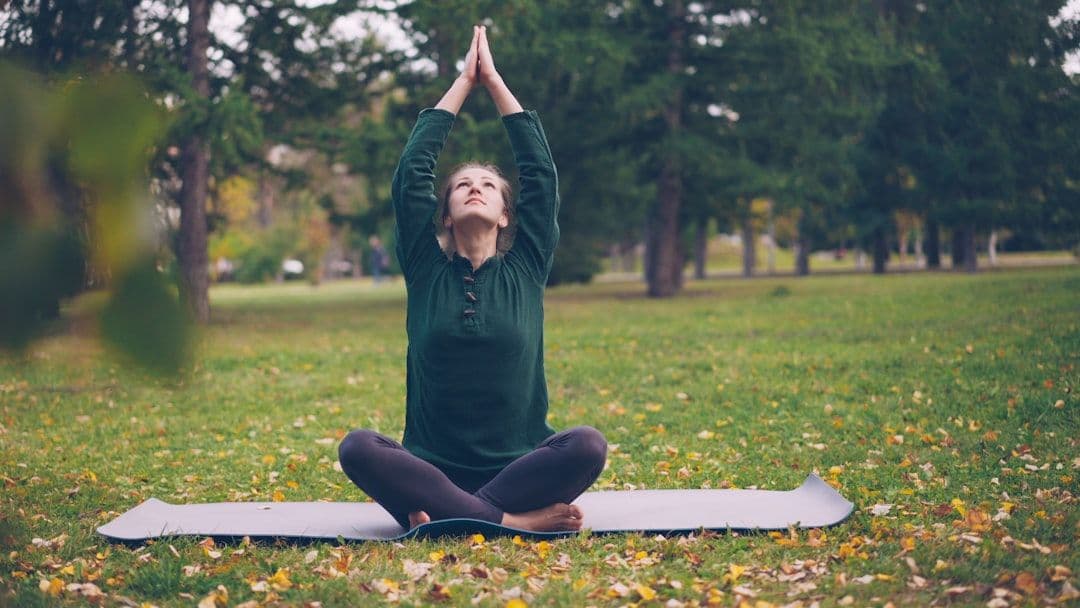
You settle into a comfortable, quiet place free from distractions. This might be a chair, a kneeling cushion, a chapel pew, or even outdoors — anywhere that feels set apart from ordinary life.
The session begins with a few words, spoken aloud or silently, that signal you are entering a time of prayer. This might be a traditional phrase, a simple greeting to the divine, or a slow, centering
This is the heart of the session. You may speak your thoughts openly — expressing needs, questions, or thanks — or you may sit in silence, practicing receptive listening. Many people do both, moving n
If helpful, you might follow a structured prayer, read from a sacred text, repeat a mantra or rosary, or use written prompts. These forms can carry you through moments when your own words feel hard to find.
Toward the end, most people rest briefly in silence without agenda. This is often when a sense of calm, warmth, or clarity quietly arrives — there is no right feeling to chase, just openness to whatever comes.
You bring the session to a gentle close with a few words of gratitude or a traditional closing phrase, marking the transition back to ordinary awareness. Even a simple thank-you signals an intentional ending.
After prayer, many people find it useful to sit quietly for a minute or two, or to jot down any thoughts, feelings, or impressions that arose. Over time this helps you notice patterns and deepen your practice.
The Evidence
What research and tradition tell us about prayer's role in wellbeing, and where the evidence is strong, limited, or uncertain.
Widely practiced, subjective benefits supported, mechanisms less clear
Prayer is one of humanity's most universal spiritual practices. Research consistently links it to self-reported reductions in anxiety and improved coping, though evidence for effects beyond psychological wellbeing remains limited and methodologically complex.
Prayer involves intentional communication with a transcendent source—a practice rooted in faith and meaning rather than measurable mechanism. Gyfts presents it within the Metaphysical category because its primary value is spiritual and personal. Research can observe associated wellbeing outcomes but cannot validate or invalidate the theological claims at prayer's heart.
Studies reliably find that people who pray report lower anxiety, greater resilience, and stronger sense of meaning—especially during hardship. However, most research relies on self-report, making it difficult to separate prayer's effects from general relaxation, social support, or belief. Randomized trials testing prayer for physical outcomes have produced mixed and inconclusive results.
Studying prayer rigorously is ethically and practically difficult. Blinding participants is impossible, placebo effects are hard to control for, and defining 'prayer' consistently across studies is challenging. Claims of physical healing through prayer alone are not supported by robust evidence. Gyfts encourages users to hold inflated outcome claims with appropriate scepticism.
From ancient Egypt and Mesopotamia to Hinduism, Judaism, Christianity, Islam, and Buddhism, prayer has served as petition, gratitude, contemplation, and intercession across vastly different cultures. This depth of traditional use does not constitute clinical evidence, but it reflects a practice that has held profound meaning for billions of people across time.
Prayer itself has no medical contraindications. However, it should not substitute for professional mental health support during severe depression, suicidal crisis, or acute psychiatric episodes. Those with histories of religious trauma may find certain prayer practices distressing—working with a trauma-informed practitioner is advisable. Prayer complements professional care; it does not replace it.
Whether approached through an established religious tradition or as a private, informal practice, prayer's meaning is shaped by individual belief, culture, and intention. Users are encouraged to explore what prayer means to them, seek guidance from trusted spiritual leaders or communities, and integrate it alongside—not instead of—any professional support they may need.
Safety first
General guidance to help you decide whether this approach is appropriate for you. This is informational only and not a substitute for medical, psychological, or professional advice.
If you are experiencing severe distress, suicidal thoughts, psychosis, acute trauma, or another serious mental health concern, seek qualified support first.
This approach is not suitable for diagnosis, treatment instructions, or decisions that require medical, legal, financial, or professional advice.
Look for clear boundaries, transparent pricing, and practitioners who avoid fear-based claims or pressure to book frequent sessions.
Treat any insight as one reflective perspective, not absolute truth. Important decisions should be considered with appropriate professional support.
For you?
A simple, human way to weigh it up. This is general guidance, not personal medical advice — a qualified practitioner can advise on your situation.
Gyfts is a discovery platform, not a medical provider. Nothing here diagnoses, treats or replaces professional care. In an emergency, contact your local emergency number.
Explore approaches
Other practices people often explore alongside prayer.
In their words
FAQ
No. While prayer has deep roots in religious traditions, many people from secular, agnostic, or pluralistic backgrounds practice prayer as meditation, gratitude practice, or spiritual communication without adhering to a specific faith. Prayer can be adapted to your personal beliefs and worldview.
Benefits vary greatly. Some people report immediate feelings of calm or clarity after a single prayer session. For others, benefits accumulate gradually over weeks or months of consistent practice. The subjective nature of spiritual experience means there is no universal timeline—your experience depends on your openness, consistency, beliefs, and personal circumstances.
Frequency is entirely personal. Some traditions recommend daily prayer; others suggest weekly or as-needed practice. What matters most is consistency and authenticity. Start with what feels sustainable and meaningful to you, whether that's daily, several times weekly, or during specific life situations. Many people find that regular practice deepens benefits over time.
No. Prayer can be a meaningful complement to medical care, therapy, and evidence-based treatments, but should not replace them. For physical health conditions, mental health disorders, and psychiatric emergencies, seek professional medical and mental health care. Prayer works best as part of a comprehensive approach to wellbeing.
Prayer is not transactional. Different spiritual traditions understand prayer's purpose differently—some view it as petition, others as alignment with divine will, and others as meditation and inner transformation. If outcomes differ from expectations, many practitioners suggest examining whether you are praying from authentic intention, whether your expectations are realistic, or whether the answer is different from what you anticipated. Working with a spiritual guide can help explore these questions.
Prayer's subjective spiritual benefits are widely reported and valued across cultures. Some research suggests prayer may support stress reduction, emotional processing, and sense of wellbeing. However, scientific evidence for prayer's effects on external outcomes (medical healing, answered petitions) is limited and contested. Prayer is best understood as a spiritual practice with psychological and emotional value rather than a medical intervention with proven biological mechanisms.
Both approaches are valid. Many people develop rich, independent prayer practices through personal exploration, reading spiritual texts, or following their religious tradition's teachings. Others benefit from working with a spiritual director, chaplain, prayer counselor, or religious leader who can offer guidance, answer questions, and deepen practice. You might start independently and later seek guidance, or vice versa.
Prayer is accessible to everyone and requires no special training. Start simply: speak honestly to whatever you understand as divine or sacred, express what is in your heart, and listen for inner response. You might begin by expressing gratitude, asking for guidance, or sitting in quiet presence. Many spiritual traditions offer written prayers, meditation techniques, or beginner resources. A spiritual guide can also teach you foundational practices.
References
Educational sources that inform this overview. Inclusion is for context and does not imply endorsement.
Full citations are maintained by the Gyfts editorial team and reviewed periodically.
Keep exploring
Browse practitioners, explore honest overviews, and take what you learn to a conversation — at your own pace.