What it is
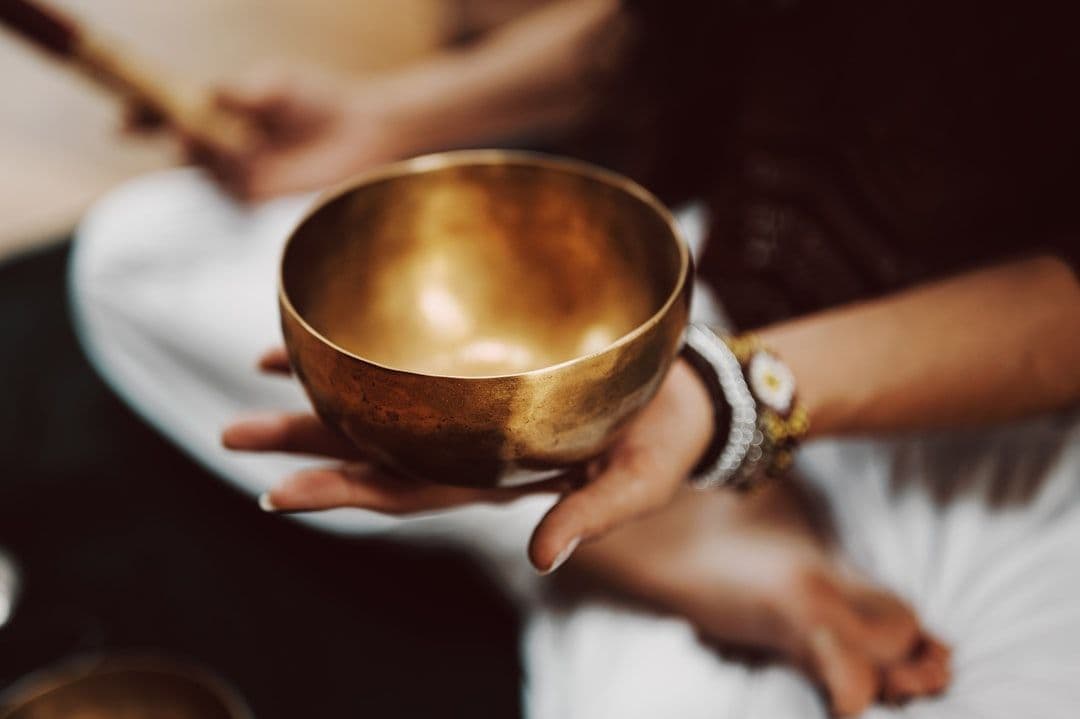
Metal bowls struck or rimmed to produce rich, resonant tones used in meditation and relaxation.
Singing bowls are traditional instruments that produce sustained, resonant tones used in sound healing practices to promote relaxation an...
At a glance
What it is
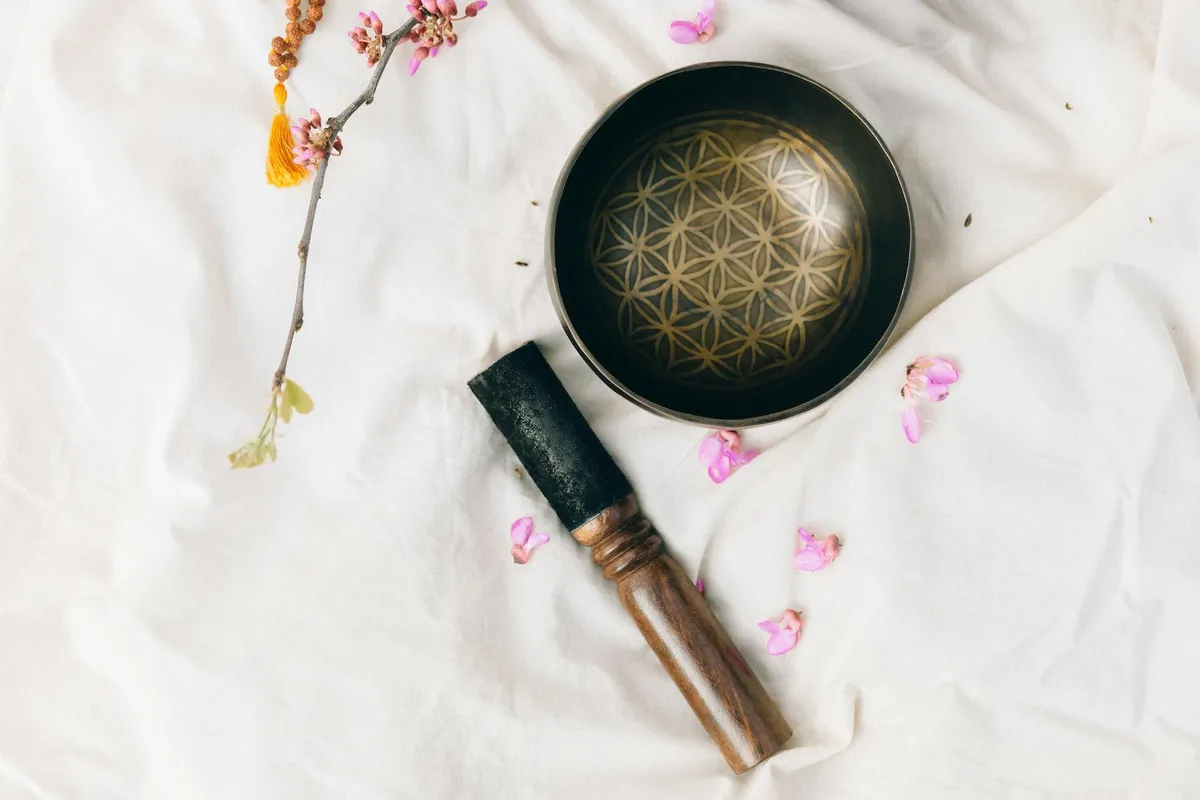
Metal bowls struck or rimmed to produce rich, resonant tones used in meditation and relaxation.
Why explore it
Many people turn to singing bowls for stress relief, better sleep, and a deeper sense of calm.
How it’s experienced
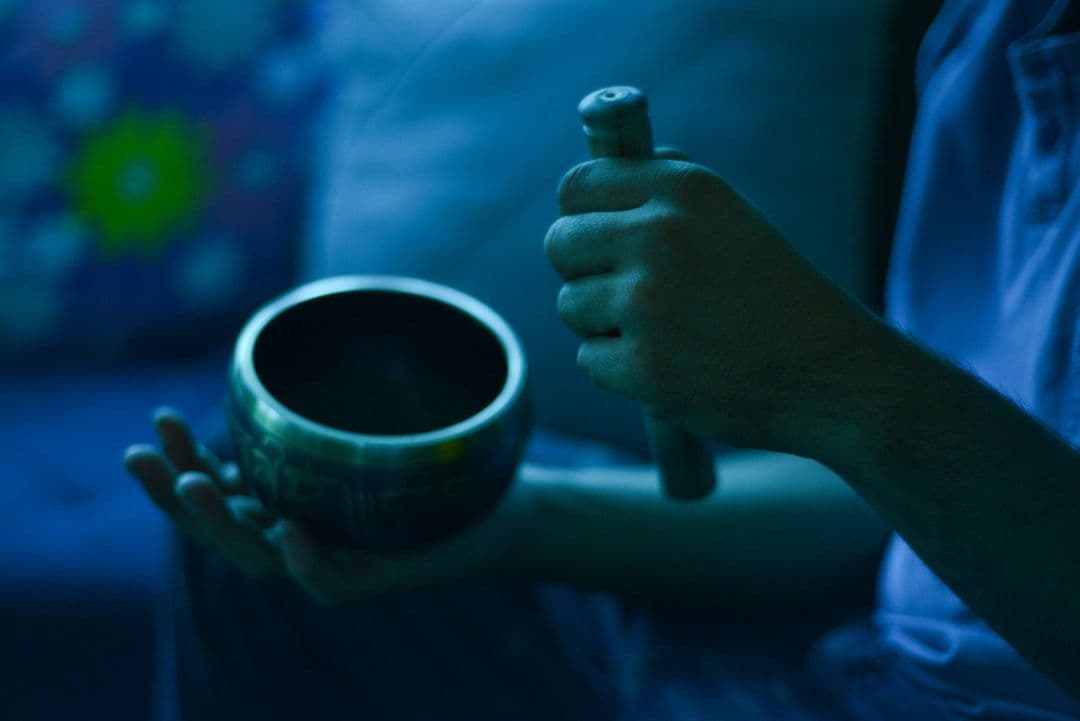
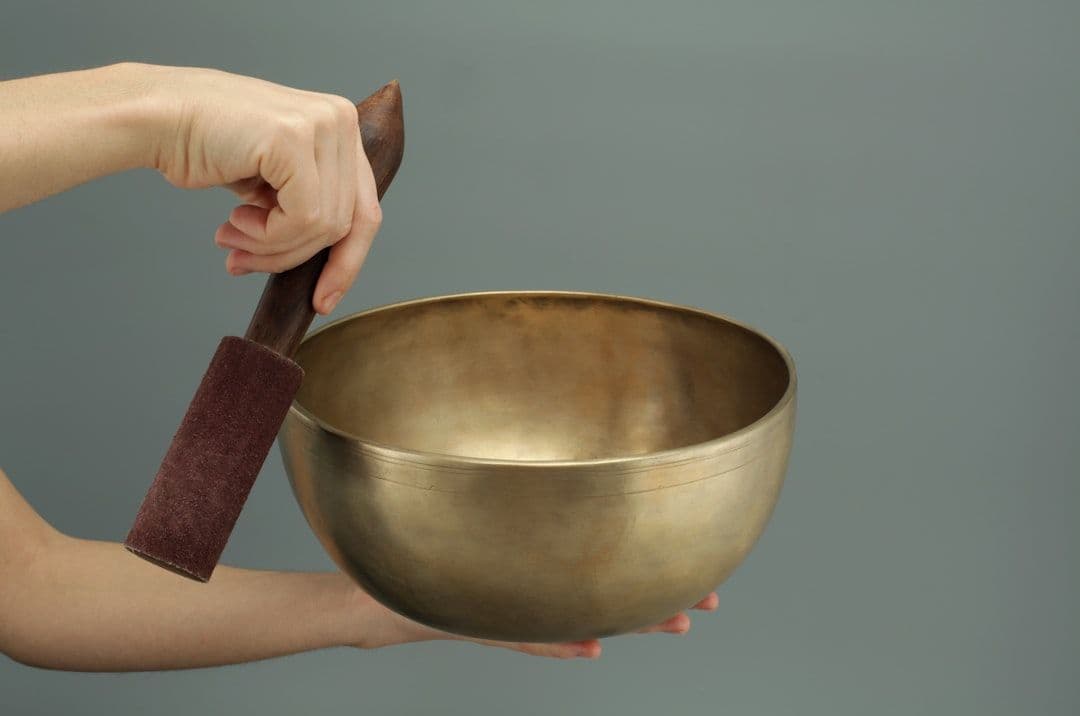
A practitioner plays the bowl with a mallet, filling the space with layered tones you feel and hear.
Evidence context
Research is still early-stage, though many people report relaxation benefits rooted in Himalayan tradition.
See the evidence snapshotSafety
Low-risk for most, but check with your provider first if you have a pacemaker, seizures, or are pregnant.
See staying safeHistory & Origin
Singing Bowls involve the therapeutic use of singing bowls to promote sound healing, relaxation, and energy balance.
Singing bowls have roots in Himalayan and Buddhist traditions, with evidence suggesting their use in meditation and ceremonial practices dating back centuries in Tibet, Nepal, and India. These instruments were traditionally crafted by hand from metal alloys and used by Buddhist monks in meditation, chanting, and healing rituals. The exact origins are difficult to pinpoint, but the bowls became central to Tibetan Buddhist practice and were sometimes referred to as 'Tibetan singing bowls,' though their presence in broader Asian spiritual traditions is documented.
In the late 20th century, singing bowls gained wider recognition in Western complementary health practices as part of the broader interest in Eastern wellness modalities. Practitioners began integrating them into sound therapy, spa treatments, and meditation classes. While traditional use was embedded in specific spiritual and religious contexts, contemporary Western applications have largely been adapted as secular wellness tools focused on relaxation and stress management.
The modern singing bowl industry expanded significantly from the 1980s onward, with increased commercial production and marketing to Western audiences. Today, they are used by sound therapists, yoga instructors, meditation guides, and holistic practitioners worldwide. The practice has evolved from its traditional ceremonial roots into a diverse complementary health modality, though some practitioners maintain connections to the spiritual and philosophical traditions from which the bowls originated.
Mechanism
Singing Bowls is best framed as a traditional, symbolic, energetic, reflective, or spiritual practice rather than a validated medical mechanism. Practitioners may use ritual, attention, sound, imagery, touch-free work, cards, symbols, prayer, or intention to support meaning-making and a sense of connection. People may explore it for reflection, calm, or spiritual context, while health claims should remain cautious and personal. Singing bowls produce sustained tones and overtones when struck or played with a mallet, generating vibrations that resonate through the body and surrounding space.
Your first visit
A typical session outline to help you feel prepared
A singing bowls session uses resonant tones and vibrations from handcrafted metal bowls to encourage deep relaxation and a sense of inner calm.
Your practitioner will greet you and ask a few questions about your stress levels, sleep, and any areas of tension or discomfort so they can tailor the session to you.
You'll be invited to share what you're hoping to experience, whether that's deep relaxation, mental clarity, or simply curiosity, giving the session a gentle focus.
You'll lie fully clothed on a padded mat or massage table, or sit in a chair if preferred. Loose, comfortable clothing works best since you'll stay dressed throughout.
The practitioner will carefully place singing bowls on or around your body, often near the chest, abdomen, or feet, and may also position larger bowls around the room.
Using a mallet, the practitioner strikes or slowly rims each bowl to produce sustained, layered tones. You may feel a gentle buzzing or wave-like vibration moving through your body.
As the session continues for 30 to 60 minutes, the sounds may shift in rhythm and intensity. Many people find their mind quiets naturally and they drift into a deeply restful state.
The practitioner will gradually let the tones fade and will softly signal that the session is ending, giving you a moment to slowly return your awareness to the room.
You'll have a few quiet minutes to lie still before sitting up slowly. Your practitioner may offer water and invite you to share anything you noticed or felt during the session.
The Evidence
What research and tradition tell us about singing bowl therapy, and where the evidence is still developing.
Promising for relaxation; broader claims need stronger evidence
Singing bowl therapy has a long traditional history and a small but growing body of research suggesting benefits for relaxation and stress. The evidence base remains limited, and many specific claims go beyond what current studies can confirm.
Peer-reviewed studies on singing bowl therapy report improvements in self-reported relaxation, mood, and stress. However, most studies involve small samples, lack control groups, and cannot blind participants to the intervention. It is difficult to isolate the bowl itself as the active factor versus the broader relaxation setting.
Handcrafted from metal alloys, singing bowls were central to Buddhist monastic practice in Tibet, Nepal, and India. Their use in meditation and ritual predates modern wellness applications by centuries. Contemporary Western use has largely adapted these instruments into secular relaxation and sound therapy contexts.
Within holistic practice, singing bowls are used to complement meditation, bodywork, and stress management. Practitioners describe their effects in terms of resonance, a sense of energetic balance, and nervous system calming. These frameworks sit within wellness tradition rather than established clinical science, and both perspectives can coexist.
Research has not established singing bowls as effective for specific health conditions. Claims around chakra balancing, energy healing, or measurable physiological change beyond relaxation are not supported by robust evidence. Inflated outcome claims should be viewed with caution, and singing bowls are not a substitute for professional assessment or care.
People with seizure disorders, pacemakers, cochlear implants, or severe sound sensitivity should consult a healthcare provider before participating. Bowls should not be placed on the abdomen during pregnancy. Those with PTSD or significant anxiety should discuss sound therapy with a mental health provider, as intense auditory experiences can occasionally be distressing.
There is no universal licensing standard for singing bowl practitioners. Training lineages vary — some practitioners draw on Tibetan Buddhist traditions, others on contemporary sound therapy programmes. Sessions may be individual or group-based, with bowls played around or near a reclining seeker. Ask about the practitioner's training background, what a typical session involves, and whether they will ask about your health history. A reputable practitioner will not suggest sessions replace professional care.
Safety first
General guidance to help you decide whether this approach is appropriate for you. This is informational only and not a substitute for medical, psychological, or professional advice.
If you are pregnant, managing a health condition, recovering from injury or surgery, or taking medication, consult a qualified healthcare professional first.
Some situations call for extra care or a different approach. Share any conditions, injuries, or sensitivities with your practitioner before your first session.
Look for clear boundaries, transparent pricing, and practitioners who avoid fear-based claims or pressure to book frequent sessions.
Mild, short-lived effects such as tenderness, tiredness, or temporary soreness can occur. Rest, hydrate, and tell your practitioner how you respond.
For you?
A simple, human way to weigh it up. This is general guidance, not personal medical advice — a qualified practitioner can advise on your situation.
Gyfts is a discovery platform, not a medical provider. Nothing here diagnoses, treats or replaces professional care. In an emergency, contact your local emergency number.
Explore approaches
Other practices people often explore alongside singing bowls.
In their words
FAQ
You relax in a comfortable position while a practitioner plays singing bowls near or around you. The bowls are struck or rubbed to create sustained, resonant tones and vibrations. Most sessions last 30–60 minutes and are designed to induce deep relaxation and a meditative state. Many people report feeling peaceful, grounded, or emotionally released afterward.
Many people feel immediate relaxation after a single session, while cumulative benefits may develop over multiple sessions. Some practitioners recommend 4–6 sessions as a starting course, though this varies based on individual needs and goals. Ongoing regular sessions may enhance and maintain the effects.
No. The relaxation effects of singing bowls can occur through the acoustic and vibrational properties alone, regardless of beliefs about energy. While some practitioners incorporate energy or spiritual frameworks, the physiological response to sound and vibration is a mechanism that works independently of belief.
Singing bowls can be safe for children, but sessions should be age-appropriate and use gentler sound levels. Children may become restless during extended sessions, so shorter, more interactive experiences often work better. Consult with the practitioner about your child's age and sensitivities.
Some people report improved sleep after singing bowl sessions, likely due to the deep relaxation they induce. However, evidence for treating insomnia is limited. Singing bowls may support sleep as part of a broader relaxation routine but should be combined with evidence-based sleep hygiene and medical evaluation if insomnia is persistent.
A sound bath typically involves being immersed in sounds from multiple instruments (bowls, gongs, chimes, etc.) in a group setting, often for 45 minutes to an hour. A singing bowl session is more intimate, may be one-on-one, and focuses specifically on the tones and vibrations of the bowls. Both aim for relaxation and well-being.
Many people feel deeply relaxed and may drift in and out of a sleep-like state, though true sleep is less common. The goal is usually a meditative, hyper-relaxed awareness rather than sleep. Some people do sleep, and this is generally considered acceptable, though the practitioner's guidance on what to expect may vary.
People with pacemakers or cochlear implants should consult their healthcare provider before attending singing bowl sessions, as vibrations may interfere with some devices. For most other medical devices, singing bowls pose no known risk, but always inform your practitioner of any devices or conditions beforehand.
References
Educational sources that inform this overview. Inclusion is for context and does not imply endorsement.
Full citations are maintained by the Gyfts editorial team and reviewed periodically.
Keep exploring
Browse practitioners, explore honest overviews, and take what you learn to a conversation — at your own pace.