What it is
Guided tremoring exercises help your body release stored tension held in muscles.
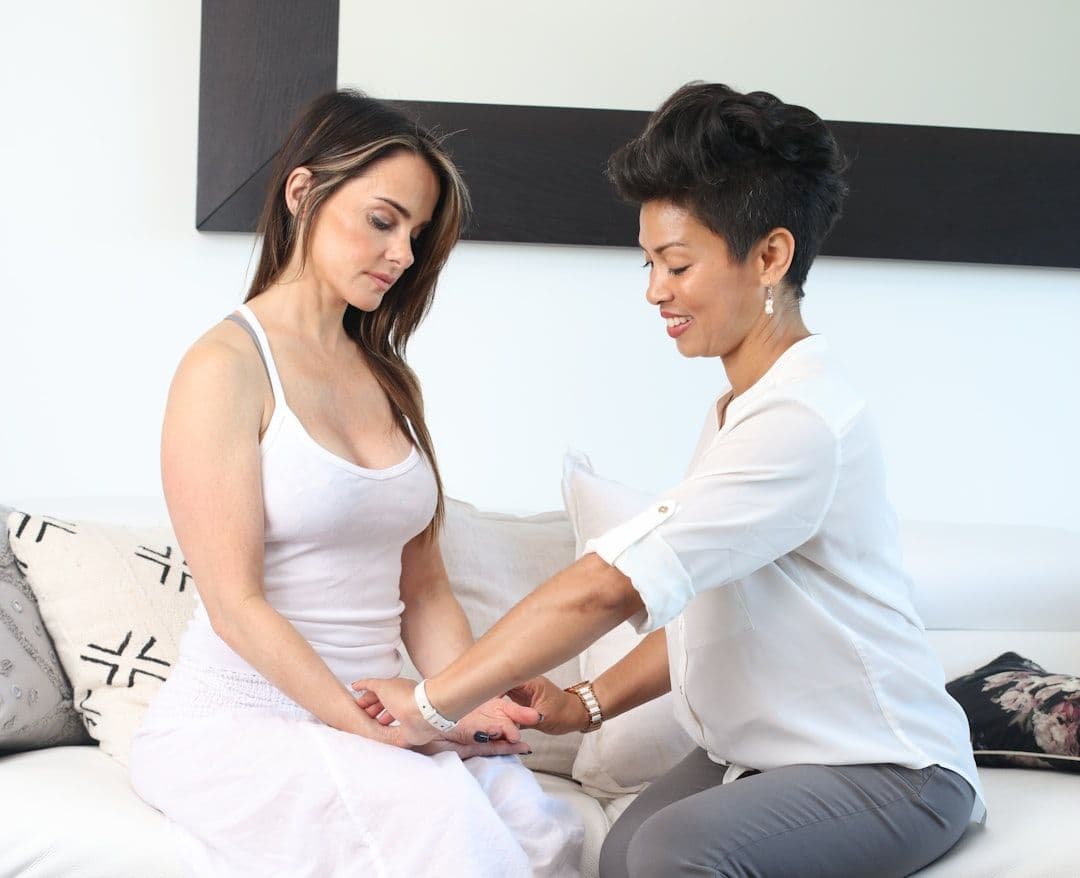
Tension & Trauma Releasing practices are gentle, body-based approaches designed to help release accumulated physical tension and support ...

At a glance
What it is
Guided tremoring exercises help your body release stored tension held in muscles.
Why explore it
It may ease anxiety and chronic tension by tapping into your body's own stress-relief system.
How it’s experienced
Expect gentle shaking, breathing, or movement as your nervous system naturally unwinds.
Evidence context
Research is growing and promising, though large clinical trials are still catching up.
See the evidence snapshotSafety
Low-risk with a trained practitioner, but complex trauma warrants a professional check-in first.
See staying safeHistory & Origin
Tension & Trauma Releasing practices focus on gentle physical release.
Tension and trauma releasing approaches have roots in multiple traditions and contemporary somatic psychology. Somatic Experiencing (SE), developed by Peter Levine in the 1970s, emerged from observations of how animals naturally discharge stress and trauma through the body's nervous system. Levine's work built on earlier understanding of the vagus nerve and parasympathetic activation, combining trauma psychology with body awareness techniques.
Other modalities within this family include Trauma Release Exercises (TRE), developed by David Berceli, which use gentle shaking and tremoring to activate the body's innate release mechanism. These approaches draw conceptually from dance/movement therapy, which has deeper roots in early 20th-century creative movement practices, as well as from traditional bodywork disciplines that recognized the body's role in emotional and energetic holding.
The field gained momentum in the 1990s and 2000s as neuroscience research illuminated how stress and trauma are stored in the nervous system and musculature. Contemporary practitioners now integrate elements from breathwork, gentle movement, body awareness, and nervous system regulation. While anchored in somatic theory, many tension-releasing practices remain largely in the complementary wellness space, with growing interest from trauma-informed care communities.
Today, tension and trauma releasing is explored across yoga studios, wellness centers, therapeutic practice spaces, and personal development settings. The field continues to evolve as more practitioners integrate neuroscience, polyvagal theory, and embodied awareness into their work.
Mechanism
Tension & Trauma Releasing is generally described as working through skilled touch, careful pacing, and the body's response to pressure, movement, warmth, or stillness. Practitioners may focus on muscle tone, joint comfort, circulation, breath, or relaxation depending on the method. Traditional explanations may also include energy flow or whole-person balance. Research support varies by modality, so the experience is best framed as supportive care with outcomes that vary. Tension & Trauma Releasing practices work by encouraging the body to complete its natural stress-response cycle.
Your first visit
A typical session outline to help you feel prepared
A TRE session guides your body through simple exercises that invite natural tremoring, helping release deep muscular tension stored from stress or trauma.
Your practitioner starts with a relaxed conversation about your stress history, any physical tensions, and what you hope to get from the session, so the work feels personal and safe.
You'll discuss boundaries, pacing, and how much autonomy you want during the tremoring process, so you feel fully in control throughout. Wear comfortable, loose clothing you can move in.
You begin standing or seated, tuning into how your body feels right now, noticing any areas of tightness or holding before any movement starts.
Your practitioner guides you through a series of simple leg and lower-body exercises, like wall sits or gentle stretches, designed to mildly fatigue the muscles and prepare them to release naturally.
You lie on a mat with knees bent and feet flat, and as your muscles tire, a natural shaking or tremoring may begin in your legs, hips, or torso, this is your nervous system unwinding stored tension.
Your practitioner coaches you to observe the sensations without judgment, slowing or pausing the tremors if needed by straightening your legs, keeping the experience well within your comfort zone.
The session closes with a few minutes lying still, letting your nervous system settle. You might feel deeply relaxed, a little emotional, or pleasantly heavy in your body.
Your practitioner shares simple self-care tips for the hours ahead, such as hydrating, resting, and journaling, and discusses whether a series of sessions might support your longer-term goals.
The Evidence
What research currently says about tension and trauma releasing practices, and where the evidence is still developing.
Promising foundations, but research is still catching up
Tension and trauma releasing practices rest on credible neuroscientific principles, but clinical research remains limited. Most studies are small or preliminary, and larger controlled trials are needed before strong conclusions can be drawn.
Approaches like Somatic Experiencing and Trauma Release Exercises have attracted early research interest, particularly for stress and post-trauma symptoms. However, most studies to date are small, lack strong control groups, or rely on self-report. The evidence is promising but should be understood as preliminary rather than established.
Tension and trauma releasing sits within the Alternative category on the MACH framework. It draws on somatic psychology and nervous system science rather than traditional medical models. This does not imply ineffectiveness, but it does mean it operates outside standard clinical guidelines and should be approached with informed expectations.
Somatic Experiencing, developed by Peter Levine in the 1970s, drew on nervous system science and animal behaviour to understand how stress becomes held in the body. Trauma Release Exercises followed, using gentle tremoring to activate natural discharge. Both approaches gained momentum as neuroscience research on stress and trauma expanded from the 1990s onward.
For people with significant trauma histories, PTSD, or complex mental health needs, tension and trauma releasing should complement rather than replace professional care. Some trauma-informed therapists integrate somatic approaches alongside established therapies. Always discuss with a qualified health professional if you are managing an active mental health condition.
Consult a healthcare provider first if you have a complex trauma history, severe dissociation, unstable mental health, recent surgery, or cardiovascular concerns. These practices are not appropriate as a standalone approach for severe mental illness. Choose a practitioner with recognised training in somatic or trauma-informed work and clear professional boundaries.
The absence of large, well-designed trials means it is not yet possible to confirm how effective these practices are compared to established interventions. Individual responses vary considerably. Gyfts presents this information for educational awareness only and does not endorse any specific practitioner, method, or outcome claim.
Safety first
General guidance to help you decide whether this approach is appropriate for you. This is informational only and not a substitute for medical, psychological, or professional advice.
If you are pregnant, managing a health condition, recovering from injury or surgery, or taking medication, consult a qualified healthcare professional first.
Some situations call for extra care or a different approach. Share any conditions, injuries, or sensitivities with your practitioner before your first session.
Look for clear boundaries, transparent pricing, and practitioners who avoid fear-based claims or pressure to book frequent sessions.
Mild, short-lived effects such as tenderness, tiredness, or temporary soreness can occur. Rest, hydrate, and tell your practitioner how you respond.
For you?
A simple, human way to weigh it up. This is general guidance, not personal medical advice — a qualified practitioner can advise on your situation.
Gyfts is a discovery platform, not a medical provider. Nothing here diagnoses, treats or replaces professional care. In an emergency, contact your local emergency number.
Explore approaches
Other practices people often explore alongside tension & trauma releasing.
In their words
FAQ
Sessions typically involve a combination of gentle breathing guidance, slow intentional movement, hands-on touch (usually light), and body awareness practices. Your practitioner will invite your nervous system to calm and may guide you into spontaneous shaking, tremoring, or other natural release mechanisms your body uses to discharge tension. The process is gentle and you remain clothed and in control throughout. Sessions usually last 60–90 minutes and are tailored to your individual needs and comfort level.
This varies greatly depending on your goals, stress history, and how your nervous system responds. Some people notice benefits after one session; others find that 4–8 weekly or biweekly sessions support meaningful change. Many practitioners suggest an initial series to establish a foundation, then reassess. Some clients maintain wellness with monthly or occasional sessions, while others need ongoing work. Your practitioner will discuss a personalized plan after your initial consultation.
No, these are distinct approaches. While all three involve the body, massage focuses on soft tissue manipulation, physical therapy addresses injury recovery and functional movement, and tension/trauma releasing emphasizes nervous system regulation and the body's innate capacity to discharge stress. However, these modalities can be complementary—some practitioners integrate elements of multiple approaches.
Trauma-informed tension and trauma releasing can be supportive for many people with PTSD or trauma history, but it's essential to work with a practitioner specifically trained in trauma-sensitive approaches. Complex trauma may require concurrent work with a trauma-informed therapist. Always discuss your trauma history with a prospective practitioner and ensure they have appropriate training and boundaries.
Common post-session experiences include deep relaxation, emotional calm, increased body awareness, or a pleasant sense of fatigue. Some people feel lighter or emotionally released. Occasionally, emotions may surface hours or days later as your nervous system continues processing. This is considered a natural part of the integration process. Your practitioner will provide grounding and integration guidance.
The research landscape is still emerging. Some specific modalities (particularly Somatic Experiencing and TRE) have preliminary research suggesting potential benefits for stress and nervous system regulation, but high-quality clinical trials remain limited. These practices are best understood as complementary wellness tools supported by somatic theory and clinical observation rather than as independently verified medical treatments. More robust research is ongoing.
Yes, age-appropriate tension and trauma releasing can support young people, particularly those with anxiety, stress, or adaptive responses to challenging experiences. However, work with children and teens should be led by practitioners with specific training in pediatric or adolescent somatic practice, and parental involvement or consent is important.
Not everyone experiences dramatic releases or sensations, and that's completely normal. Some people notice subtle shifts—a slight ease in breathing, softening of tension, or a quiet sense of calm. The nervous system regulates at its own pace, and sometimes the most profound changes happen gradually and quietly. Your practitioner can discuss what you're experiencing and adjust the approach if needed.
References
Educational sources that inform this overview. Inclusion is for context and does not imply endorsement.
Full citations are maintained by the Gyfts editorial team and reviewed periodically.
Keep exploring
Browse practitioners, explore honest overviews, and take what you learn to a conversation — at your own pace.