What it is
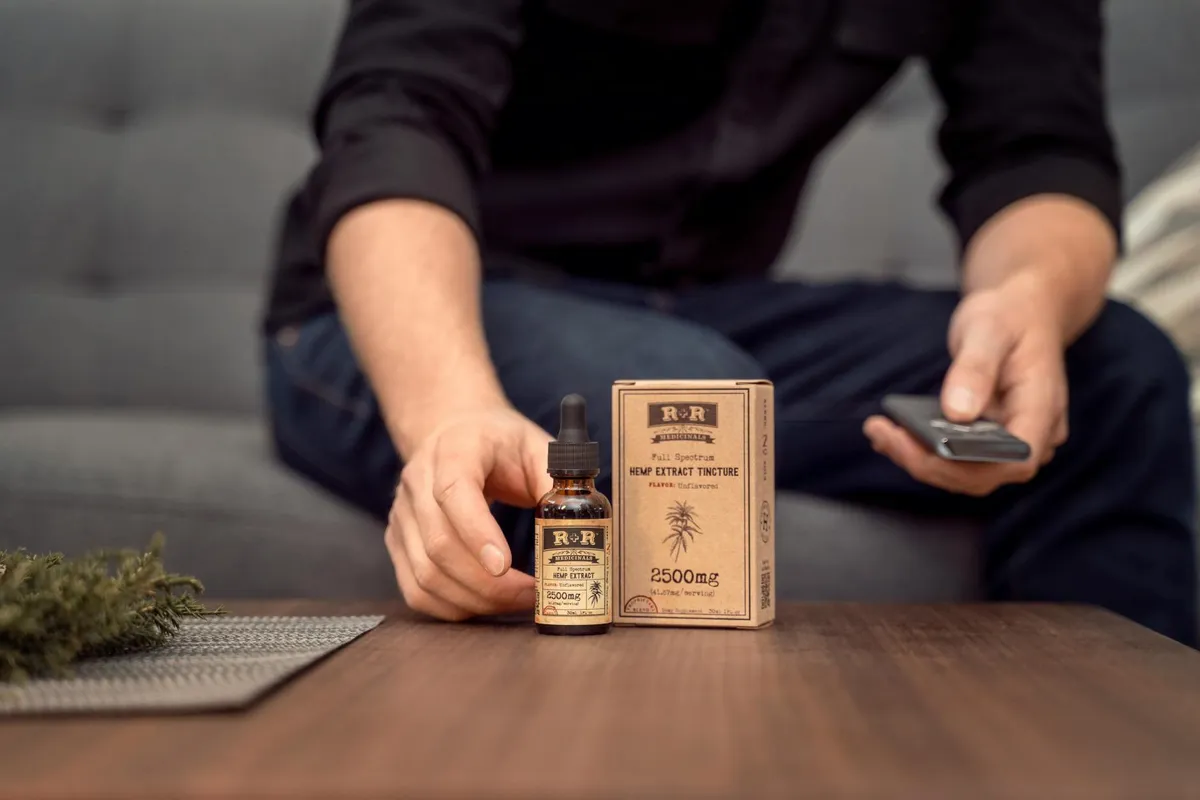
Tinctures are potent liquid herbal extracts made with alcohol or glycerin for fast absorption.
Tinctures are concentrated herbal extracts made by soaking herbs in alcohol or other solvents to capture their therapeutic compounds
At a glance
What it is
Tinctures are potent liquid herbal extracts made with alcohol or glycerin for fast absorption.
Why explore it
Depending on the herb, tinctures may support immunity, digestion, sleep, or stress relief.
How it’s experienced
Take drops under the tongue or in water; benefits can unfold subtly over days or weeks.
Evidence context
Some herbs like echinacea show modest research support, though overall evidence remains limited.
See the evidence snapshotSafety
Generally safe as directed, but check with a provider if pregnant, on medications, or alcohol-sensitive.
See staying safeHistory & Origin
Tinctures are herbal extracts used for therapeutic purposes, often taken orally or applied topically to promote health and well-being.
Tinctures have roots in traditional medicine systems spanning thousands of years, with evidence of herbal extraction techniques appearing in ancient Egyptian, Greek, and Chinese medical texts. The formal development of tincture-making as a refined practice emerged in medieval Europe, where monks and apothecaries perfected alcohol-based extraction methods to preserve herbs and concentrate their properties. During the Renaissance and into the colonial period, tinctures became central to European apothecary practice and were brought to North America by settlers who adapted them using native plants. The practice gained particular prominence in American Eclectic medicine during the 19th and early 20th centuries, when herbal practitioners standardized tincture formulations and documented their uses, establishing many of the preparation methods still used today.
The development of tincture-making paralleled advances in chemistry and herbalism, with practitioners learning to optimize extraction ratios, solvent selection, and maceration times to maximize potency. Traditional Chinese medicine developed its own extraction techniques using alcohol and other methods, while Ayurvedic medicine created similar preparations called 'asavas' and 'aristas' using fermentation-based extraction. In modern complementary medicine, tinctures remain popular because they offer several practical advantages: they are shelf-stable, concentrated, fast-acting when taken sublingually, and allow for precise dosing. The resurgence of interest in herbal medicine over the past several decades has revived traditional tincture-making practices, with herbalists combining historical knowledge with contemporary quality standards.
Mechanism
Tinctures is best framed as a traditional, symbolic, energetic, reflective, or spiritual practice rather than a validated medical mechanism. Practitioners may use ritual, attention, sound, imagery, touch-free work, cards, symbols, prayer, or intention to support meaning-making and a sense of connection. People may explore it for reflection, calm, or spiritual context, while health claims should remain cautious and personal. Tinctures extract plant compounds—alkaloids, flavonoids, glycosides—by steeping dried or fresh herbs in alcohol (typically 40–95% ABV) or other solvents for 2–6 weeks.
Your first visit
A typical session outline to help you feel prepared
A tinctures session blends a health conversation with personalized herbal formulation, ending with a custom liquid blend made just for you.
Your practitioner greets you and gathers your health history, current concerns, lifestyle habits, and any medications or allergies through a detailed intake form or conversation.
You discuss what you hope to experience over time, and your practitioner notes any herbs or botanicals you may be sensitive to so your blend is both safe and suited to you.
Based on your intake, your practitioner selects specific herbal extracts from their dispensary, explaining why each one is being considered for your unique protocol.
You may watch as your practitioner measures and combines liquid herbal extracts into a small dropper bottle, creating a formula blended specifically for your needs.
Your practitioner walks you through exactly how many drops to take, how often, whether to dilute in water, and the best times of day to take your tincture for optimal results.
You learn that tinctures typically work gradually, with subtle shifts sometimes noticed within days and more noticeable changes unfolding over several weeks of consistent use.
You have open time to ask anything, and your practitioner gives you written notes on your protocol along with guidance on storage and what to track between sessions.
Before you leave, you arrange a follow-up visit so your practitioner can review your experience and adjust your herbal formula as your needs evolve.
The Evidence
What research and traditional use tell us about herbal tinctures, and where the evidence is strong, mixed, or limited.
Some herbs are well-studied; tincture-specific evidence is thinner
Many herbs used in tincture form have meaningful research behind them, but studies often examine other preparations rather than tinctures directly. Evidence quality varies considerably by herb, condition, and formulation.
Herbs like echinacea, valerian, and ginger have moderate research support for particular uses. However, most studies examine capsules, teas, or standardised extracts rather than tinctures specifically. Alcohol-based extraction alters which compounds are present, so findings from other formats may not transfer directly to tincture preparations.
Study quality varies widely, sample sizes are often small, and most trials examine single herbs rather than the multi-herb formulas practitioners commonly use. Supplier and preparation differences also affect potency and compound profiles, making it difficult to generalise findings across products or practitioners.
Alcohol-based herbal extraction appears in ancient Egyptian, Greek, and Chinese traditions. Medieval European apothecaries formalised the methods, and 19th-century American Eclectic practitioners standardised many formulations still referenced today. This depth of traditional use informs modern herbalism, though historical use alone does not confirm efficacy.
Holistic herbalists consider the whole person when selecting and combining herbs, rather than matching a single herb to a single symptom. Tinctures fit within this framework as flexible, concentrated preparations that can be tailored to individual needs. This personalised approach is a strength of the practice, though it also makes standardised research more difficult.
People who are pregnant, breastfeeding, or taking prescription medications should consult a healthcare provider before using tinctures, as herb-drug interactions are possible. Alcohol-based preparations are not suitable for those in recovery or with alcohol intolerance. Quality and sourcing vary, so choosing reputable suppliers and qualified practitioners matters.
Qualified herbalists assess individual health history, current medications, and specific goals before recommending tinctures. This professional context reduces risk and improves the likelihood of a well-matched approach. Tinctures are not a substitute for professional assessment of serious or persistent health concerns, and should complement rather than replace conventional care where needed.
Safety first
General guidance to help you decide whether this approach is appropriate for you. This is informational only and not a substitute for medical, psychological, or professional advice.
If you are pregnant, managing a health condition, recovering from injury or surgery, or taking medication, consult a qualified healthcare professional first.
Some situations call for extra care or a different approach. Share any conditions, injuries, or sensitivities with your practitioner before your first session.
Look for clear boundaries, transparent pricing, and practitioners who avoid fear-based claims or pressure to book frequent sessions.
Mild, short-lived effects such as tenderness, tiredness, or temporary soreness can occur. Rest, hydrate, and tell your practitioner how you respond.
For you?
A simple, human way to weigh it up. This is general guidance, not personal medical advice — a qualified practitioner can advise on your situation.
Gyfts is a discovery platform, not a medical provider. Nothing here diagnoses, treats or replaces professional care. In an emergency, contact your local emergency number.
Explore approaches
Other practices people often explore alongside tinctures.
In their words
FAQ
Most properly stored tinctures remain potent for 3-5 years or longer. Alcohol acts as a natural preservative. Store in a cool, dark place away from heat and direct sunlight. Check for any changes in appearance, smell, or taste before using old tinctures.
Yes, many people take multiple tinctures to address different health concerns. However, consult with an herbalist before combining tinctures to ensure the herbs complement each other and don't create unwanted interactions. Some herbs are designed to work together in formulas.
This varies widely depending on the herbs, your condition, and individual factors. Some people notice effects within hours or days (especially for acute support like digestion or stress), while chronic conditions may require weeks or months of consistent use to see meaningful changes. Patience and consistency are typically important.
Yes. Glycerin-based, vinegar-based, and other alcohol-free extracts are available for those who prefer them or need to avoid alcohol. They may have a shorter shelf life and different potency profile than alcohol-based tinctures. Discuss options with your herbalist.
Some tinctures may interact with medications. It's essential to inform both your doctor and herbalist about all medications and supplements you're taking. Certain herbs can affect how medications are metabolized. Professional guidance helps prevent unwanted interactions.
Tinctures are concentrated extracts using alcohol or other solvents, while teas are made by steeping herbs in hot water. Tinctures are more potent and shelf-stable, with faster absorption when taken sublingually. Teas are gentler, less concentrated, and more palatable for some people.
Some tinctures can be used for children, but dosages must be adjusted based on age and weight. Alcohol-based tinctures can be mixed into warm water to reduce alcohol content. Consult a qualified pediatric herbalist or your child's doctor before giving any tincture to a child.
Keep track of your symptoms or health goals before starting and monitor changes in things like energy, sleep, digestion, mood, or specific symptoms. Changes may be subtle at first. After 2-4 weeks of consistent use, you should have a clearer sense of whether the tincture is supporting your goals.
References
Educational sources that inform this overview. Inclusion is for context and does not imply endorsement.
Full citations are maintained by the Gyfts editorial team and reviewed periodically.
Keep exploring
Browse practitioners, explore honest overviews, and take what you learn to a conversation — at your own pace.