What it is
Sound waves travel through a mat or chair to support deep relaxation.
Vibroacoustic Therapy is a sensory modality that uses low-frequency sound waves and vibrations, typically delivered through specialized e...
At a glance
What it is
Sound waves travel through a mat or chair to support deep relaxation.
Why explore it
A gentle, non-invasive option that pairs well with meditation and stress relief goals.
How it’s experienced
You rest on a vibrating surface for 20 to 45 minutes as calming tones move through your body.
Evidence context
Early research shows modest relaxation benefits, though large clinical trials are still needed.
See the evidence snapshotSafety
Low-risk for most adults, but check with your doctor if you have implants or heart concerns.
See staying safeHistory & Origin
Vibroacoustic Therapy uses low-frequency sound and vibration.
Vibroacoustic Therapy emerged in the 1980s through the research of Norwegian therapist Olav Skille, who developed the first commercial vibroacoustic devices. Skille discovered that low-frequency sound vibrations—typically between 30 and 120 Hz—could be felt through the body when transmitted through a specially designed chair or bed, creating a profound relaxation response. His initial work was rooted in observing how vibration affected physiological states, drawing inspiration from sound healing traditions across cultures while applying modern audio technology.
The modality gained traction in Scandinavian countries and gradually spread to Europe and North America throughout the 1990s and 2000s. Practitioners noted anecdotal benefits for stress, tension, and general wellness, leading to adoption in some wellness centers, music therapy contexts, and research settings. While the practice has roots in sound healing traditions found in various cultures—from Tibetan singing bowls to African drumming practices—vibroacoustic therapy itself is a contemporary formalization combining these cultural insights with modern equipment design and audio engineering.
Mechanism
Vibroacoustic Therapy is generally framed as a guided process for attention, reflection, learning, and emotional integration. Depending on the method, a practitioner may use conversation, imagery, structured exercises, body awareness, or therapeutic techniques to help the person explore patterns and choices. It should not be presented as a standalone solution or a substitute for urgent care, but it may support self-understanding when practiced within an appropriate scope. Vibroacoustic therapy delivers low-frequency sound vibrations (typically 30–120 Hz) through specialised devices—such as beds, chairs, or mats—that the body rests against.
Your first visit
A typical session outline to help you feel prepared
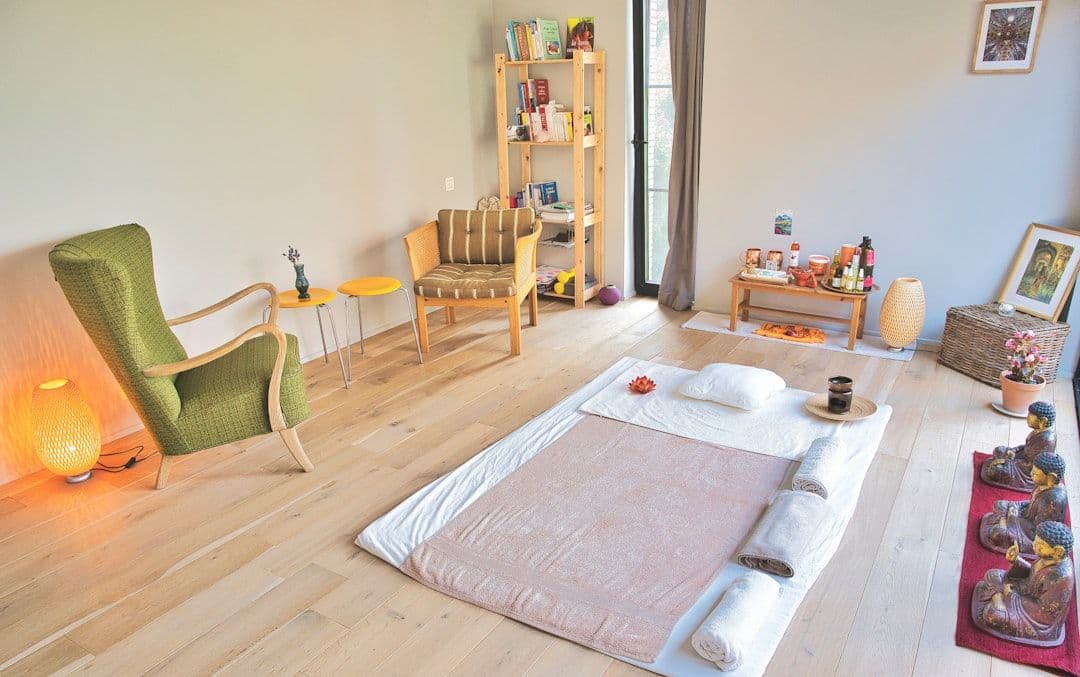
A Vibroacoustic Therapy session guides you onto a specially designed table or chair that sends gentle low-frequency sound vibrations through your body, creating a deeply relaxing, full-body humming sensation.
Your practitioner greets you and reviews a brief intake form covering your health history, any sound sensitivities, and what you hope to get from the session. This helps them choose the right frequencies for you.
Based on your goals and how you're feeling that day, the practitioner selects a specific low-frequency program, typically ranging from 30 to 120 Hz, which may be paired with calming background music.
You lie fully clothed on the vibroacoustic table or settle into a specially built reclining chair. No oils, undressing, or special attire are needed — just loose, comfortable clothing works best.
The practitioner starts the session and you'll feel gentle, wave-like vibrations begin to move through the table or chair and into your body. Many people describe it as a warm, buzzing hum from the inside out.
Within the first few minutes most people feel their muscles begin to soften and their mind quiet. You may notice a pleasant tingling, a sense of heaviness, or warmth spreading through your limbs.
You rest quietly for 20 to 45 minutes as the vibrations continue. The practitioner may gently check in or adjust the frequency program partway through if needed, but otherwise this is your time to simply receive.
As the session nears its end the vibrations slowly fade, giving your nervous system a gentle transition back to ordinary awareness rather than stopping all at once.
Your practitioner gives you a moment to reorient before sitting up, then offers a brief check-in on how you feel. Drinking water and resting quietly afterward helps you carry the grounded, calm feeling forward.
The Evidence
What research currently says about vibroacoustic therapy, where the evidence is limited, and what to keep in mind.
Early-stage research with modest signals for relaxation
Vibroacoustic therapy has a small but growing body of research suggesting benefits for relaxation and anxiety reduction. The evidence base is limited in scale and methodological consistency, and findings should be interpreted cautiously.
Most studies on vibroacoustic therapy are small-scale, with variable methodological quality and limited long-term follow-up. Some report subjective improvements in stress, sleep, and perceived tension. Physiological markers such as heart rate variability and cortisol have been examined, with mixed results. Findings are promising but not yet robust.
As an Alternative modality, vibroacoustic therapy is not part of standard clinical care pathways. It draws on sound and vibration principles rather than established biomedical frameworks. It is best understood as a wellness and relaxation practice, not a substitute for professional assessment or medical management of health conditions.
Olav Skille pioneered vibroacoustic therapy using low-frequency sound transmitted through specialised furniture. The approach drew inspiration from cross-cultural sound healing practices while applying modern audio technology. It spread through Scandinavian wellness and music therapy contexts before gaining wider international interest.
Many studies lack robust control groups, blinding, or long-term follow-up. Sample sizes are generally small, and outcome measures often rely on self-report. Inflated outcome claims sometimes appear in commercial contexts. Current evidence does not support vibroacoustic therapy as a standalone intervention for any specific health condition.
People with electronic implants such as pacemakers, those who are pregnant, or those with severe heart conditions, uncontrolled epilepsy, or acute injuries should consult a healthcare provider before use. Always inform your practitioner of your full medical history. Starting with shorter sessions is advisable to gauge individual response.
Look for practitioners who are transparent about the current evidence, do not make inflated outcome claims, and take a full health history before sessions. Vibroacoustic therapy works best as a complement to, not a replacement for, qualified healthcare. If you have an existing health condition, keep your primary care provider informed.
Safety first
General guidance to help you decide whether this approach is appropriate for you. This is informational only and not a substitute for medical, psychological, or professional advice.
If you are pregnant, managing a health condition, recovering from injury or surgery, or taking medication, consult a qualified healthcare professional first.
Some situations call for extra care or a different approach. Share any conditions, injuries, or sensitivities with your practitioner before your first session.
Look for clear boundaries, transparent pricing, and practitioners who avoid fear-based claims or pressure to book frequent sessions.
Mild, short-lived effects such as tenderness, tiredness, or temporary soreness can occur. Rest, hydrate, and tell your practitioner how you respond.
For you?
A simple, human way to weigh it up. This is general guidance, not personal medical advice — a qualified practitioner can advise on your situation.
Gyfts is a discovery platform, not a medical provider. Nothing here diagnoses, treats or replaces professional care. In an emergency, contact your local emergency number.
Explore approaches
Other practices people often explore alongside vibroacoustic therapy.
In their words
FAQ
Most people describe the experience as gentle, humming vibrations felt throughout the body. The sensation is typically pleasant and non-invasive—similar to lying against a subtle, resonating surface. Some find it deeply relaxing, while others experience mild tingling or warmth. The intensity can usually be adjusted based on your comfort.
Some people report feeling relaxed after a single session. However, practitioners often recommend a series of sessions—typically weekly or biweekly for 4–8 weeks—to build cumulative effects. The frequency depends on your goals and individual response. Your practitioner can advise based on your specific situation.
For most healthy individuals without contraindications, vibroacoustic therapy is considered safe with minimal side effects. However, certain conditions—pregnancy, pacemakers, severe heart conditions, and acute injuries—make it inadvisable. Always disclose your full medical history to your practitioner, and consult your doctor if you have any concerns.
Vibroacoustic therapy is not a medical treatment and should not be used to diagnose, treat, or cure medical conditions. It is a complementary wellness modality explored for relaxation and sensory experiences. If you have a medical condition, consult your healthcare provider for appropriate treatment.
Research on vibroacoustic therapy is still emerging. Some studies suggest potential benefits for relaxation and stress reduction, while other outcomes remain under investigation. Evidence is not as robust as for established medical treatments. It should be viewed as a complementary practice, and more high-quality research is needed to determine its full efficacy.
Vibroacoustic therapy can often complement other wellness practices, such as massage, meditation, or conventional medical treatment. However, always inform all your healthcare providers about any therapies you're using, and consult your doctor before combining treatments, especially if you have serious health conditions.
References
Educational sources that inform this overview. Inclusion is for context and does not imply endorsement.
Full citations are maintained by the Gyfts editorial team and reviewed periodically.
Keep exploring
Browse practitioners, explore honest overviews, and take what you learn to a conversation — at your own pace.