What it is
A distorted or overly negative perception of one's body size, shape, or appearance that is disconnected from objective reality.
A distorted or overly negative perception of one's body size, shape, or appearance that is disconnected from objective reality.
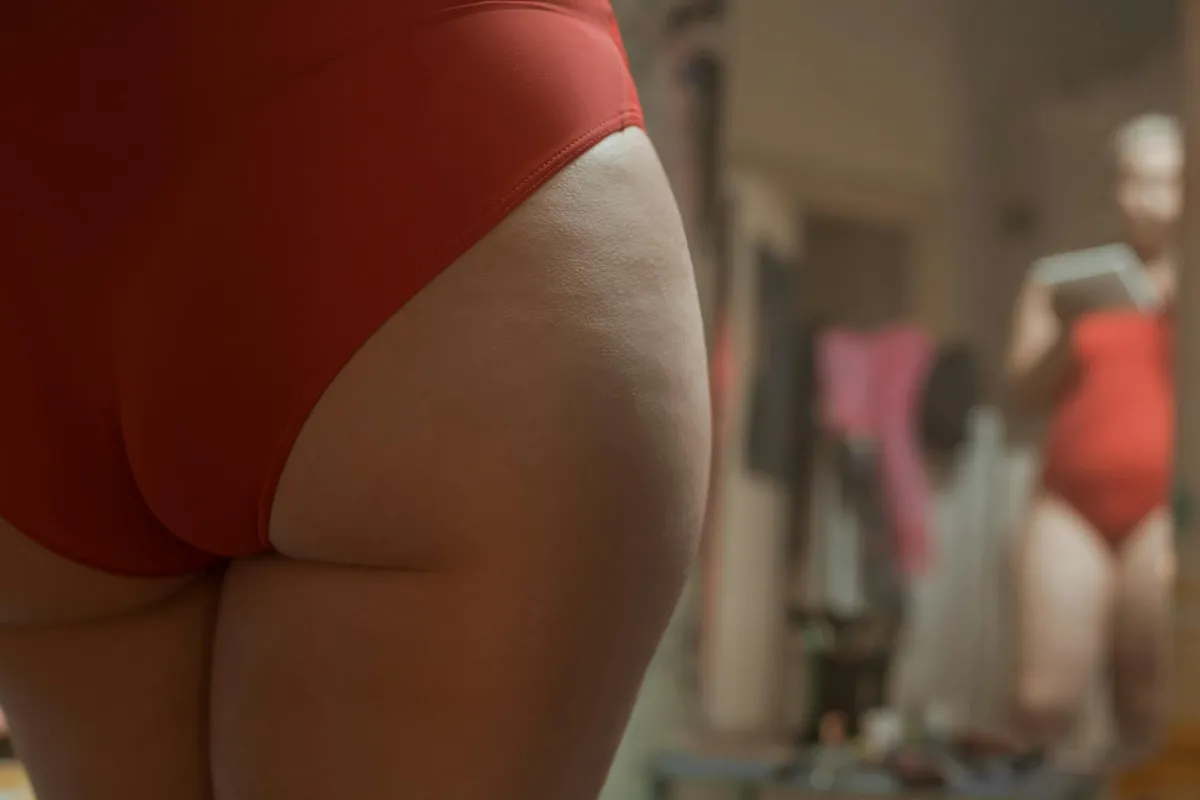
At a glance
What it is
A distorted or overly negative perception of one's body size, shape, or appearance that is disconnected from objective reality.
Commonly experienced as
Evidence context
Research-supportedSee the evidence snapshotContext
Body image distortion involves perceiving one's body in a way that is significantly at odds with how it objectively appears to others — commonly involving overestimation of size, focus on specific perceived 'flaws', or an overall negative body narrative that is immune to reassurance. It is central to eating disorders including anorexia nervosa and bulimia nervosa, and also occurs in body dysmorphic disorder (BDD). Body image is shaped by early experiences, cultural messages, media exposure, trauma, family dynamics, and the internal voice of shame or perfectionism. Holistic practitioners recognise that body image work requires compassion-based psychological approaches rather than rational correcting of perceptions, as the distortion is emotionally — not cognitively — driven.
Could this be you
Body Image Distortion shows up differently for everyone. Browse by how it tends to be felt — these are common experiences, not a checklist or a diagnosis.
Common experiences people describe — not a diagnostic checklist.
The Evidence
What research says about body image distortion, the approaches with the strongest support, and when to seek professional care.
Psychological therapies lead the evidence for body image distortion
Body image distortion is well-studied, particularly in the context of eating disorders and body dysmorphic disorder. Structured psychological approaches have the strongest research support, while complementary and embodied practices offer meaningful adjunct options.
Seek qualified support without delay if you are experiencing thoughts of self-harm or suicide, are unable to carry out daily activities, or have been in persistent distress for more than two weeks. If any psychotic symptoms are present alongside body image concerns, professional assessment is essential. This content does not replace that care.
Enhanced CBT (CBT-E) is the most evidenced psychological approach for eating disorder-related body image distortion. Acceptance and Commitment Therapy (ACT) has strong support for reducing body image avoidance and unhelpful fusion with appearance-related thoughts. Mirror exposure therapy shows moderate evidence specifically for body dysmorphic disorder.
Research consistently shows that reassurance and rational correction alone are ineffective for body image distortion. The experience is shaped by early life, trauma, cultural exposure, and shame — making compassion-based and emotionally focused approaches more effective than purely cognitive ones. Professional psychological support is the recommended foundation of care.
Mindfulness-based approaches show moderate evidence for improving body appreciation and reducing self-critical rumination. Art therapy and dance-movement therapy have emerging evidence for supporting embodied body image repair. These are best understood as complementary to — not substitutes for — structured psychological care, particularly where distortion is severe.
Look for psychologists, therapists, or counsellors with experience in eating disorders, body dysmorphic disorder, or body image work. CBT-E and ACT practitioners are particularly relevant. Holistic practitioners such as somatic therapists or art therapists may offer valuable adjunct support. Always disclose the full picture to any practitioner you work with.
Evidence for many complementary and holistic approaches remains early-stage, with small sample sizes and limited long-term follow-up. Body image distortion linked to eating disorders or BDD typically requires sustained, specialist-led care. Inflated outcome claims from any single modality should be viewed with caution. Progress is often gradual and non-linear.
References
Educational sources that inform this overview. Inclusion is for context and does not imply endorsement.
Full citations are maintained by the Gyfts editorial team and reviewed periodically.
Keep exploring
Browse practitioners, explore honest overviews, and take what you learn to a conversation — at your own pace.