What it is
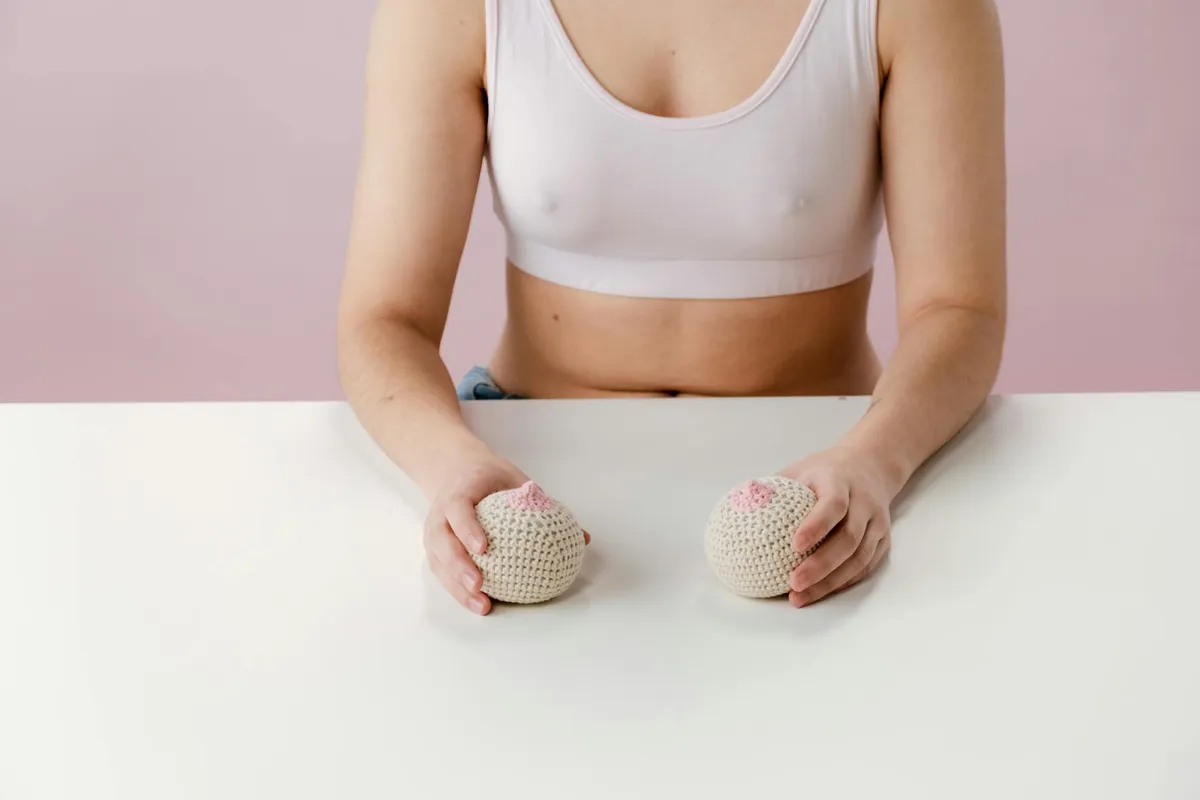
A lump in the breast due to blocked milk ducts.
A lump in the breast due to blocked milk ducts.
At a glance
What it is
A lump in the breast due to blocked milk ducts.
Commonly experienced as
Evidence context
Emerging evidenceSee the evidence snapshotContext
A breast lump describes a palpable mass or thickening within the breast tissue that feels distinct from the surrounding breast — which may be smooth or irregular, mobile or fixed, tender or painless. Most breast lumps are benign: common causes include fibroadenomas (firm, smooth, mobile lumps common in younger women), cysts (fluid-filled sacs that may feel smooth and tender, particularly premenstrually), fat necrosis (after trauma), and lipomas. However, any new breast lump must be promptly assessed by a doctor to distinguish benign from malignant causes. Features raising concern include a hard, irregular, fixed lump; skin or nipple changes; axillary lymph node swelling; or any lump in a man. The National Health Service recommends assessment within two weeks for any new breast lump, regardless of age.
Could this be you
Breast Lump shows up differently for everyone. Browse by how it tends to be felt — these are common experiences, not a checklist or a diagnosis.
Common experiences people describe — not a diagnostic checklist.
The Evidence
What the evidence says about breast lumps, when to seek care, and how complementary approaches may or may not fit.
Any new breast lump needs professional evaluation
Most breast lumps are benign, but no lump should be self-assessed or monitored without professional input. Prompt evaluation by a qualified clinician is the essential first step — complementary approaches are not a substitute.
See a doctor promptly if a lump is hard, irregular, or feels fixed to surrounding tissue. Skin dimpling, nipple changes, or swollen lymph nodes under the arm are additional reasons to seek urgent review. Any breast lump in a man also warrants prompt assessment. Do not wait to see whether a lump resolves on its own.
Clinical guidelines recommend assessment within two weeks for any new breast lump, regardless of age or perceived risk. Imaging and physical examination by a qualified practitioner are needed to distinguish benign from concerning causes. Complementary or self-care approaches should only be considered after a professional assessment has been completed.
Warm compresses and gentle massage are commonly used for discomfort associated with blocked milk ducts during breastfeeding, with modest supporting evidence in that specific context. Evidence does not support these approaches as a way to assess, manage, or monitor lumps of unknown cause. The underlying cause must be established first.
Fibroadenomas, cysts, lipomas, and fat necrosis following trauma are among the most common benign causes of breast lumps. Cysts may fluctuate with the menstrual cycle and feel tender premenstrually. Benign causes are common, but the distinction from other causes requires clinical and often imaging-based evaluation — it cannot be made by feel alone.
Once a clinician has assessed a lump and identified a benign cause, some people explore complementary support for associated discomfort or stress. This may include relaxation practices or dietary approaches. Any complementary care should be discussed with the treating clinician and should not delay or replace ongoing professional monitoring.
No app, platform, or self-assessment tool can determine the nature of a breast lump. The information here is educational and does not apply to any individual situation. If you have found a lump or are concerned about breast changes, please contact a qualified health professional. Early assessment is always the right step.
References
Educational sources that inform this overview. Inclusion is for context and does not imply endorsement.
Full citations are maintained by the Gyfts editorial team and reviewed periodically.
Keep exploring
Browse practitioners, explore honest overviews, and take what you learn to a conversation — at your own pace.