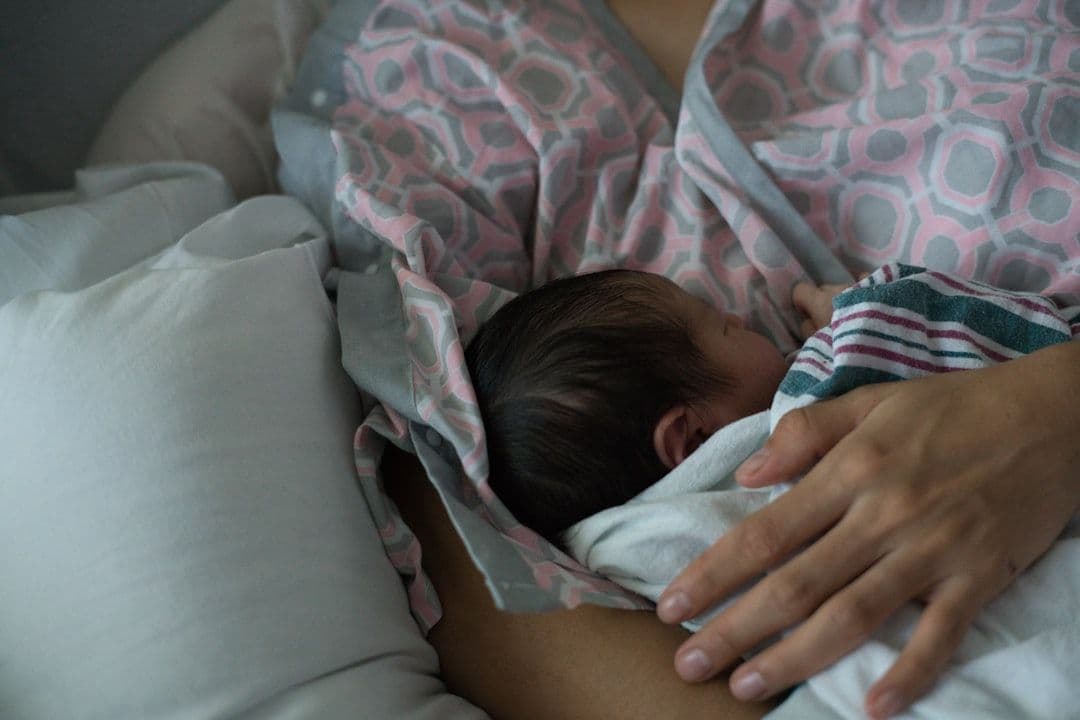
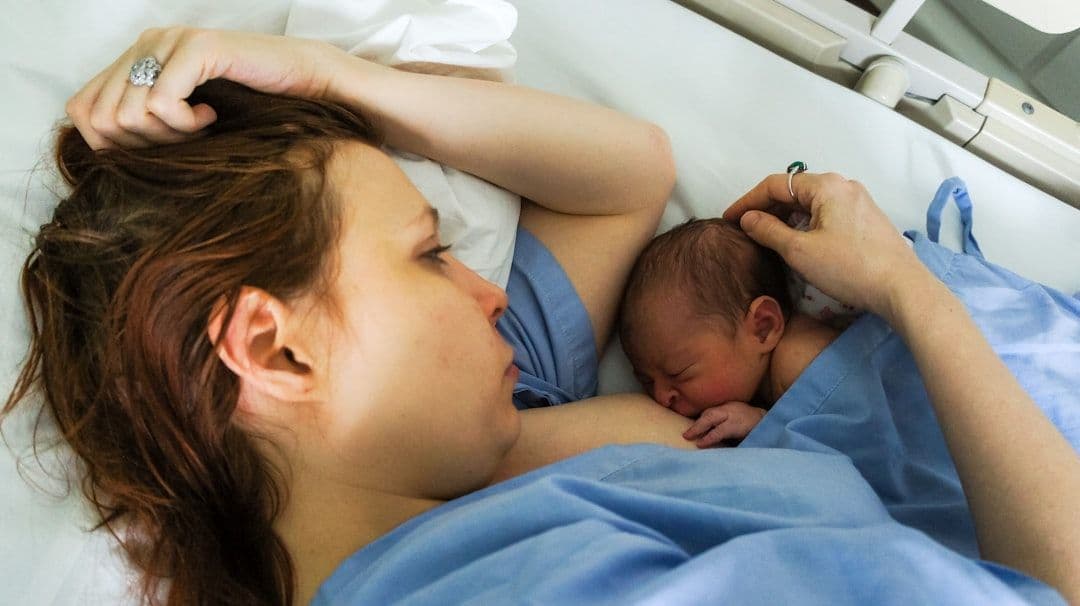
What It Is
Mastitis is breast tissue inflammation, most often caused by infection during breastfeeding.
Understanding and navigating mastitis during breastfeeding
At a glance
What It Is
Mastitis is breast tissue inflammation, most often caused by infection during breastfeeding.
How It Presents
Common experiences include breast pain, warmth, redness, swelling, and flu-like fever and chills.
What May Help
Continued nursing, warm compresses, rest, and supportive nutrition are commonly explored alongside care.
Evidence Context
Research on mastitis is moderate; medical treatment is well-supported, holistic adjuncts less so.
See the evidence snapshotWhen to Seek Help
See a doctor promptly if fever is high, symptoms worsen, or a hard lump or pus appears.
Explanation
Mastitis is a common experience for breastfeeding mothers, characterized by breast pain, swelling, and inflammation. It can be influenced by poor latch, overfull breasts, and bacterial infection. A holistic approach considers the physical, emotional, and social factors that contribute to this condition.
Could this be you
Mastitis shows up differently for everyone. Browse by how it tends to be felt — these are common experiences, not a checklist or a diagnosis.
Common experiences people describe — not a diagnostic checklist.
Why it happens
Mastitis usually comes from a mix of factors rather than a single cause. These are common contributors — not certainties.
Blocked milk ducts or bacterial entry through cracked nipples may trigger breast inflammation.
Chronic stress may affect immune response, potentially making the body slower to resolve breast infection.
A history of mastitis, poor latch technique, or engorgement may increase the likelihood of recurrence.
Disrupted sleep common in new mothers may reduce immune resilience, potentially worsening recovery.
What happens in the body
Mastitis can involve several of the body’s systems. These are common patterns researchers describe — how they show up varies from person to person.
Milk stasis from incomplete drainage may allow bacteria to colonize ductal tissue, triggering localized inflammation, swelling, and pain.
The immune system may mount an inflammatory response to bacterial presence or tissue irritation, potentially producing fever, redness, and warmth in the affected breast.
Postpartum hormonal shifts, including changes in prolactin and oxytocin, may influence milk letdown and ductal tone, potentially contributing to engorgement and stasis.
Chronic stress and sleep disruption may affect neuroendocrine signaling, which could impair milk flow regulation and lower the body's resilience to localized infection.
Process
Management
A doctor may recommend a course of antibiotics to address bacterial infection; completing the full course as directed is considered standard care for mastitis.
Many practitioners suggest continuing to nurse or pump regularly, as keeping milk flowing may support drainage and help ease breast discomfort and swelling.
Some people find that applying warmth to the affected area before feeding and gently massaging toward the nipple may help ease blockage and provide comfort.
Adequate rest, staying well hydrated, and wearing a well-fitting supportive bra are commonly suggested to help the body manage inflammation during recovery.
Some practitioners suggest certain probiotic strains may support breast and gut health during mastitis; evidence is emerging and a healthcare provider can help assess suitability.
Self-Care
Frequent milk removal may help reduce engorgement and support drainage, which some practitioners suggest can ease discomfort associated with mastitis.
Gently warming the affected area before nursing or pumping may support milk flow and some people find it helps relieve localized breast pain and tension.
Adequate rest may support immune function. Many mothers find that reducing physical demands during a flare helps their body recover more effectively alongside any medical care.
Maintaining good fluid intake may support overall recovery and milk production. Some practitioners suggest hydration plays a role in managing inflammation during breast infections.
Chronic stress may contribute to immune vulnerability. Mindful breathing or short relaxation sessions are approaches some people find helpful in supporting overall wellbeing during mastitis.
The Evidence
What research and clinical practice currently suggest about managing mastitis during breastfeeding.
Medical care is central; some complementary support shows promise
Mastitis is well understood as a condition involving milk stasis and bacterial infection, with established medical management. Complementary approaches such as massage and warm compresses have emerging support for symptom relief when used alongside conventional care.
Antibiotic therapy and continued milk drainage are supported by clinical guidelines for infectious mastitis. Evidence for complementary approaches such as therapeutic breast massage, warm compresses, and probiotics is growing but remains limited in scale and quality. These approaches are generally considered supportive rather than standalone.
A healthcare provider will assess whether mastitis is infectious or inflammatory, as this shapes the approach. Continued breastfeeding or pumping is commonly recommended to prevent milk stasis. Supportive measures including rest, hydration, and pain relief are standard components of care alongside any prescribed treatment.
Seek medical attention promptly if you experience a high fever above 103°F, rapidly spreading breast redness, flu-like symptoms with breast swelling, or any sign of abscess such as pus discharge. These may indicate a more serious infection requiring urgent professional evaluation. Do not delay care in these situations.
Practices such as acupuncture, therapeutic massage, and nutritional support are used by some practitioners to support milk flow, reduce inflammation, and ease discomfort. Evidence is preliminary and these approaches should complement, not replace, medical assessment. Always inform your healthcare provider about any complementary practices you are using.
Postpartum stress, sleep disruption, and limited social support can affect hormonal regulation and immune resilience, potentially influencing susceptibility to mastitis. A holistic perspective considers these factors alongside physical care. Mindfulness, rest, and access to lactation support may contribute meaningfully to overall wellbeing during recovery.
A GP, midwife, or obstetrician should be the first point of contact for suspected mastitis. A certified lactation consultant can provide valuable guidance on latch, positioning, and milk drainage. Complementary practitioners should be informed of your medical situation and work collaboratively within your broader care plan.
Safety first
Mastitis is manageable, and support helps. Some situations call for prompt professional help.
Explore approaches
Practices people explore for mastitis — alongside professional care.
FAQ
Mastitis usually develops when bacteria enter the breast through a cracked nipple or when milk becomes blocked. It is most common in the first few weeks of breastfeeding but can occur at any stage.
Most healthcare providers recommend continuing to breastfeed or pump, as this may support drainage and recovery. Stopping abruptly can worsen milk buildup and discomfort.
Some people find warm compresses, rest, and staying hydrated helpful. Probiotics are being studied, though evidence remains early. Always use complementary approaches alongside, not instead of, medical guidance.
Seek care promptly if you develop a fever above 101F, symptoms do not improve within 24 hours, or you notice a painful lump, pus, or rapidly spreading redness.
Recurrence is possible, especially if the underlying cause is not addressed. Ensuring a good latch, frequent feeding, and treating cracked nipples early may help reduce the likelihood of another episode.
Keep exploring
Browse practitioners, explore honest overviews, and take what you learn to a conversation — at your own pace.