What it is
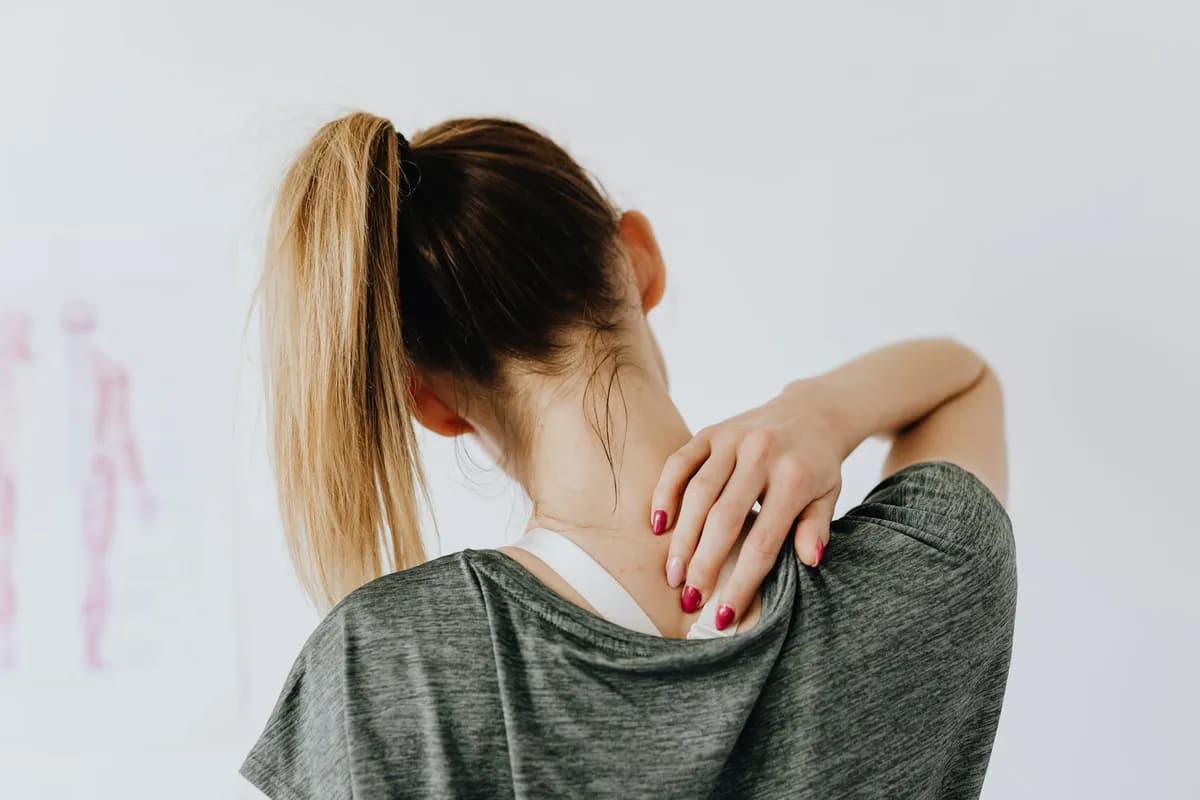
Chronic upper back and neck tension is primarily linked to myofascial pain, cervical spondylosis, and postural and occupational strain.
Persistent tightness, aching, or restricted movement in the upper back and neck region, typically linked to postural habits, occupational strain, stress-related muscle holding, or structural changes.
At a glance
What it is
Chronic upper back and neck tension is primarily linked to myofascial pain, cervical spondylosis, and postural and occupational strain.
Commonly experienced as
Evidence context
Emerging evidenceSee the evidence snapshotSafety
See staying safeContext
Chronic upper back and neck tension describes the sustained, habitual pattern of muscular tightness spanning from the cervicothoracic junction down through the upper trapezius, rhomboids, and thoracic erector spinae — a region that bears the accumulated postural and stress burden of modern sedentary, screen-heavy working patterns. The tension is self-reinforcing: poor posture increases muscular load; increased load produces tightening and pain; pain drives further protective bracing; stress amplifies the muscular response. Over time, the pattern becomes habitual — present even during rest and difficult to release voluntarily. Management requires a multi-pronged approach: ergonomic correction, specific strengthening of the postural muscles supporting an upright position, regular mobility work, and addressing the stress physiology driving the chronic activation.
Could this be you
Chronic Upper Back and Neck Tension shows up differently for everyone. Browse by how it tends to be felt — these are common experiences, not a checklist or a diagnosis.
Common experiences people describe — not a diagnostic checklist.
The Evidence
What research and clinical practice say about chronic upper back and neck tension, and when to seek professional assessment.
Well-studied, manageable — but red flags matter
Chronic upper back and neck tension is among the most common musculoskeletal complaints in working-age adults. Evidence supports a combined approach of manual therapy, exercise, and stress management, though certain symptoms require prompt professional assessment.
Seek prompt assessment if tension is accompanied by arm pain, numbness, or weakness, which may indicate nerve involvement. New severe neck tension with fever and light sensitivity, pain following a whiplash injury, or upper back pain with chest pain or breathing difficulty all require professional evaluation before any self-management or complementary approach is pursued.
Research consistently supports combining manual therapy with targeted exercise for chronic neck pain. Acupuncture has moderate evidence for upper back and neck tension. Mindfulness-based approaches show benefit in reducing the psychosocial amplification of pain. Evidence is moderate overall — meaningful, but not conclusive across all populations and settings.
Sustained screen-heavy posture increases load on the upper trapezius, rhomboids, and cervicothoracic muscles. Pain triggers protective bracing, which increases tension further. Stress physiology amplifies muscular activation. Over time the pattern persists even at rest, making voluntary release difficult without structured intervention addressing posture, strength, mobility, and stress.
Physiotherapy, osteopathy, and chiropractic care address posture and mobility. Acupuncture and massage are widely used complementary options with moderate supporting evidence. Ergonomic correction and postural strengthening address root contributors. Mindfulness and stress management support the psychophysiological dimension. A practitioner can help identify which combination suits your presentation.
Cervical manipulation should only be performed after ruling out cervical instability, fracture, or vascular risk factors — this requires professional assessment, not self-referral to high-force techniques. Tension accompanied by radicular symptoms such as arm pain or weakness should not be self-managed without professional evaluation first.
Traditional Chinese Medicine interprets upper back and neck tension through the Bladder and Gallbladder sinew channels, addressing patterns such as Wind-Cold invasion or Qi-Blood stagnation. Acupuncture, Tui Na, cupping, and Gua Sha are applied within this framework. Ayurveda uses Greeva Basti and Abhyanga for the upper body. These are cultural and traditional frameworks, not biomedical claims.
Safety first
General, informational guidance — not diagnostic. A qualified practitioner can advise on your own situation.
Top Practitioners
Practitioners are ranked using relevance, experience signals, reviews, and support-area fit.
Read next
References
Educational sources that inform this overview. Inclusion is for context and does not imply endorsement.
Full citations are maintained by the Gyfts editorial team and reviewed periodically.
Keep exploring
Browse practitioners, explore honest overviews, and take what you learn to a conversation — at your own pace.