What it is
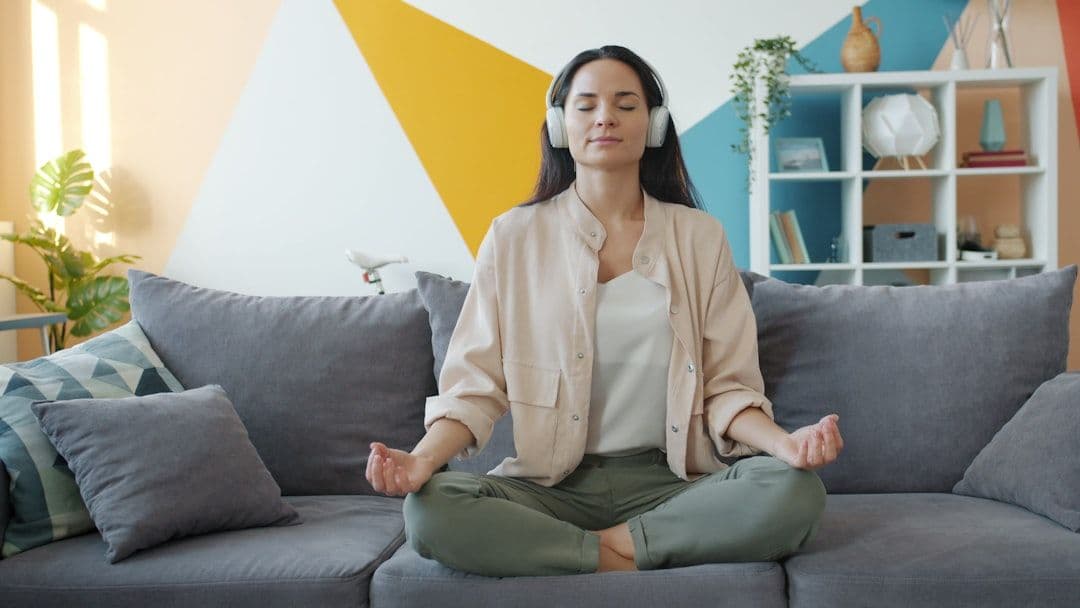
A secular practice that trains your attention to rest fully in the present moment.
Mindfulness meditation is the practice of paying attention to the present moment with openness, curiosity, and non-judgment
At a glance
What it is
A secular practice that trains your attention to rest fully in the present moment.
Why explore it
Regular practice can ease stress, anxiety, and pain — often with noticeable results within weeks.
How it’s experienced
Sessions involve guided or solo sitting, body scans, or walking, often in structured eight-week programs.
Evidence context
One of the most studied wellness practices, with strong evidence for stress, anxiety, and mood support.
See the evidence snapshotSafety
Generally safe for most people; those with trauma or mental health conditions should seek guided instruction.
See staying safeHistory & Origin
Mindfulness involves cultivating present moment awareness and presence for enhanced mental and emotional well-being.
While meditation practices exist in many spiritual traditions, modern mindfulness meditation draws primarily from Buddhist Vipassana (insight) meditation, which dates back over 2,500 years.
The introduction of mindfulness to Western medicine began in 1979 when Jon Kabat-Zinn, a molecular biologist, created Mindfulness-Based Stress Reduction (MBSR) at the University of Massachusetts Medical School. Kabat-Zinn secularized ancient meditation practices, making them accessible to people of any background and demonstrating their medical benefits.
His work showed that an 8-week mindfulness program could significantly reduce pain, anxiety, and depression in patients with chronic conditions. This launched decades of research into mindfulness, establishing it as an evidence-based intervention for various mental and physical health conditions.
Since then, mindfulness has expanded into Mindfulness-Based Cognitive Therapy (MBCT) for depression, Dialectical Behavior Therapy (DBT) for emotional regulation, and countless other applications. What began as a contemplative practice has become a thoroughly researched, widely accepted therapeutic tool.
Approaches
Mindfulness isn’t a single method. Practitioners may train in one tradition or blend several — here are the styles you’re most likely to meet.
An eight-week structured program using meditation, body awareness, and mindful movement.
Combines mindfulness practices with cognitive therapy principles, especially for mood relapse prevention.
Brings mindful attention into daily activities such as eating, walking, listening, or washing dishes.
Uses gentle movement, yoga, or walking as the focus of awareness.
Mechanism
Mindfulness is best framed as a traditional, symbolic, energetic, reflective, or spiritual practice rather than a validated medical mechanism. Practitioners may use ritual, attention, sound, imagery, touch-free work, cards, symbols, prayer, or intention to support meaning-making and a sense of connection. People may explore it for reflection, calm, or spiritual context, while health claims should remain cautious and personal. Mindfulness cultivates sustained present-moment awareness through meditation and attention training, primarily by strengthening the prefrontal cortex while downregulating the amygdala — the brain's threat-detection centre.
Your first visit
A typical session outline to help you feel prepared
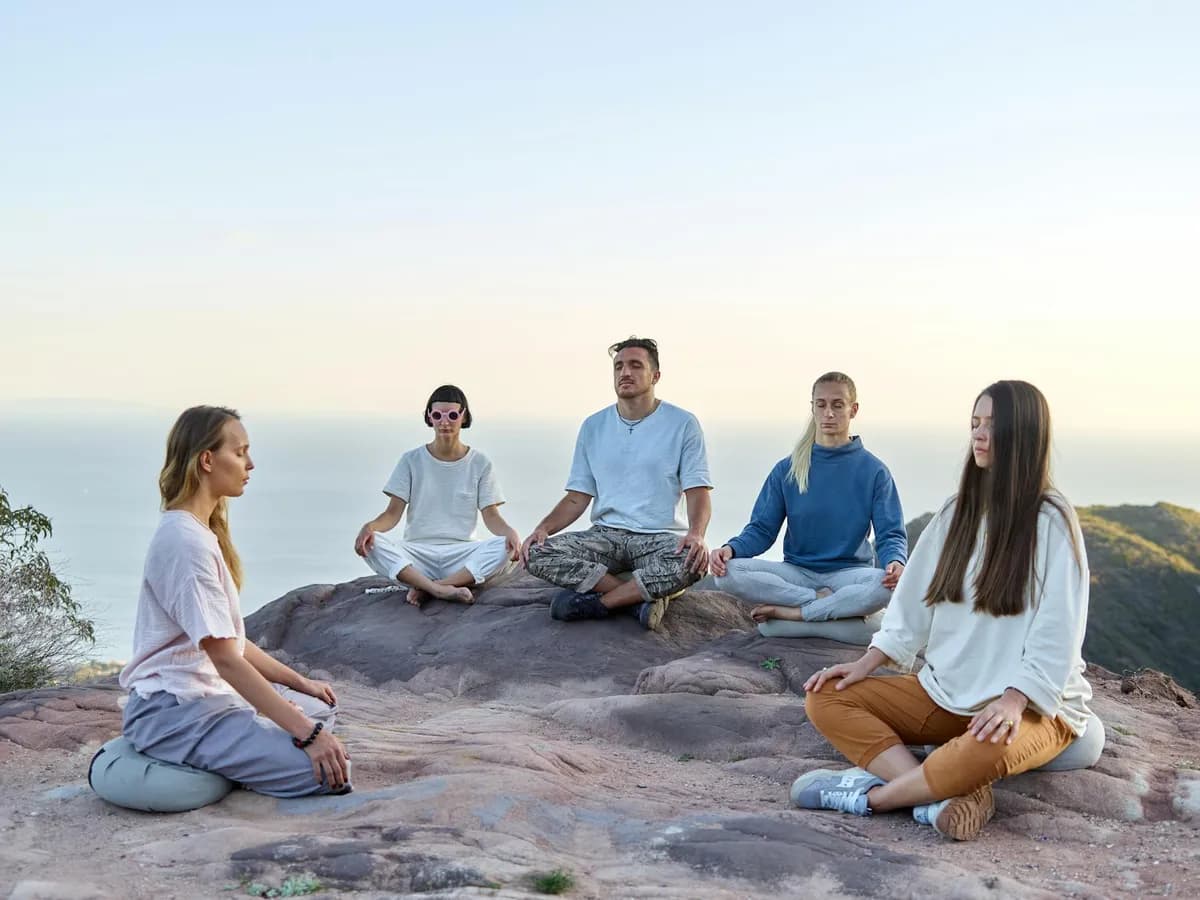
A mindfulness session gently guides you through breath-focused meditation and present-moment awareness, whether solo with a teacher or in a small group.
Your teacher greets you warmly and invites you to find a comfortable seat on a cushion, chair, or mat. There's no special gear required — just wear loose, comfortable clothing.
You'll be asked what brought you to the session and what you're hoping to explore. This isn't a clinical intake; it's a simple, low-pressure conversation to help your teacher tailor the session to whe
Your teacher guides you to close your eyes or soften your gaze downward, then slowly draws your attention to physical sensations — the weight of your body, the feel of your hands, the temperature of t
The heart of the session begins as you're invited to notice your natural breath — not to control it, just observe it. Your teacher gently reminds you that when your mind wanders (and it will), simply
Depending on the session, your teacher may lead a body scan, loving-kindness meditation, or mindful walking exercise. Each technique has a slightly different flavor, but all involve sustained, curious
There will likely be stretches of quiet where you practice on your own with minimal guidance. This can feel unfamiliar at first, but your teacher remains present and will gently re-anchor the group if attention drifts.
Your teacher slowly brings the practice to a close by inviting you to deepen your breath, wiggle your fingers and toes, and gently open your eyes. You may feel calm, a little foggy, or surprisingly em
You'll have a few minutes to share observations or ask questions. Your teacher may suggest a short daily home practice — even five minutes of breath awareness — to carry the session's benefits into everyday life.
The evidence
Explore the meaning and context behind Mindfulness — how people use it for reflection, symbolism, or spiritual insight, where research is limited, and what to keep in mind before booking.
Mindfulness is used as a reflective meaning-making practice
Mindfulness is best framed as symbolic or spiritual reflection, not as a medical approach. People may use it for insight, meaning, or personal exploration.
This kind of practice is best understood as subjective and reflective. People may use it to notice patterns, clarify values, or explore spiritual meaning, but it should not be used as medical, psychological, legal, or financial advice.
Traditional context can explain the language, session style, and goals practitioners use. It does not automatically mean a practice has strong formal evidence, so tradition and research should be understood as different kinds of context.
Many wellness studies are small, mixed, or focused on specific populations. For reflective or traditional modalities, formal research may be sparse. Use the evidence context as one input, not a prediction of your personal outcome.
Existing safety notes flag that fit can depend on personal health context, practitioner scope, and session setup. Ask about contraindications, consent, training, hygiene where relevant, and whether professional guidance is appropriate before booking.
Look for grounded communication and avoid anyone who pressures you, makes fear-based claims, or promises outcomes. Reflective modalities work best when boundaries are explicit and you feel free to question or decline guidance.
Safety first
General guidance to help you decide whether this approach is appropriate for you. This is informational only and not a substitute for medical, psychological, or professional advice.
If you are experiencing severe distress, suicidal thoughts, psychosis, acute trauma, or another serious mental health concern, seek qualified support first.
This approach is not suitable for diagnosis, treatment instructions, or decisions that require medical, legal, financial, or professional advice.
Look for clear boundaries, transparent pricing, and practitioners who avoid fear-based claims or pressure to book frequent sessions.
Treat any insight as one reflective perspective, not absolute truth. Important decisions should be considered with appropriate professional support.
Explore approaches
Other practices people often explore alongside mindfulness.
In their words
FAQ
Mindfulness is the practice of bringing deliberate, non-judgmental attention to present-moment experience — including thoughts, feelings, body sensations, and surroundings. Meditation is one formal method for training mindfulness, but mindfulness itself can be practised informally throughout daily life: while eating, walking, working, or in conversation. Mindfulness-Based Stress Reduction (MBSR) and Mindfulness-Based Cognitive Therapy (MBCT) are the most well-researched structured programmes, both involving a combination of formal meditation practice and everyday mindfulness application.
Mindfulness has one of the strongest evidence bases of any psychological intervention in the complementary health space. MBSR and MBCT have strong evidence for reducing anxiety, depression relapse, and chronic pain. MBCT specifically has NICE (UK) and international guideline endorsement as a first-line treatment for preventing recurrent depression. Research also supports benefits for stress reduction, emotional regulation, sleep quality, and immune function. Effect sizes are typically moderate and comparable to antidepressant medication for depression prevention.
Mindfulness is broadly accessible, but it is not universally suitable without modification. People with a history of trauma, dissociation, or active psychosis may find that sustained inward attention amplifies distress rather than reducing it. Trauma-sensitive mindfulness adaptations exist specifically for these presentations. For severe mental illness, mindfulness is best practised within a therapeutic relationship rather than independently. For most people — including those with mild-to-moderate anxiety, depression, or stress — self-guided or group mindfulness practice is safe and beneficial.
Research on MBSR programmes — typically 8 weeks with around 45 minutes of daily practice — shows meaningful reductions in anxiety, stress, and depressive symptoms by the end of the programme. Some benefits, particularly reduced emotional reactivity and improved sleep, are reported within the first 2–3 weeks of consistent practice. Long-term benefits compound with consistent practice over months and years. Even brief daily practice (10–15 minutes) produces measurable neurological and psychological changes when maintained consistently.
MBSR (Mindfulness-Based Stress Reduction), developed by Jon Kabat-Zinn, is a general stress-reduction programme designed for people with chronic illness, pain, or everyday stress. MBCT (Mindfulness-Based Cognitive Therapy) integrates mindfulness with cognitive therapy techniques and was developed for people with recurrent depression as part of relapse-risk management. Both are 8-week group programmes. MBSR is the broader entry point; MBCT is the choice for someone with a history of three or more depressive episodes.
References
Educational sources that inform this overview. Inclusion is for context and does not imply endorsement.
Full citations are maintained by the Gyfts editorial team and reviewed periodically.
Keep exploring
Browse practitioners, explore honest overviews, and take what you learn to a conversation — at your own pace.