What it is
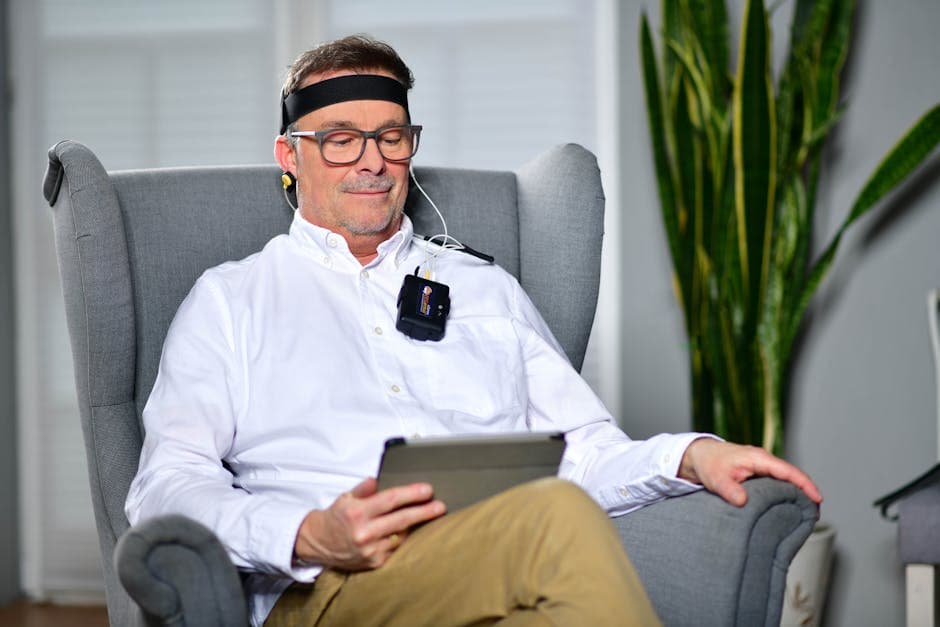
Sensors show your heart rate and tension in real time so you can learn to influence them.
Biofeedback is a technique that uses electronic sensors to help people learn conscious control over typically involuntary bodily function...
At a glance
What it is
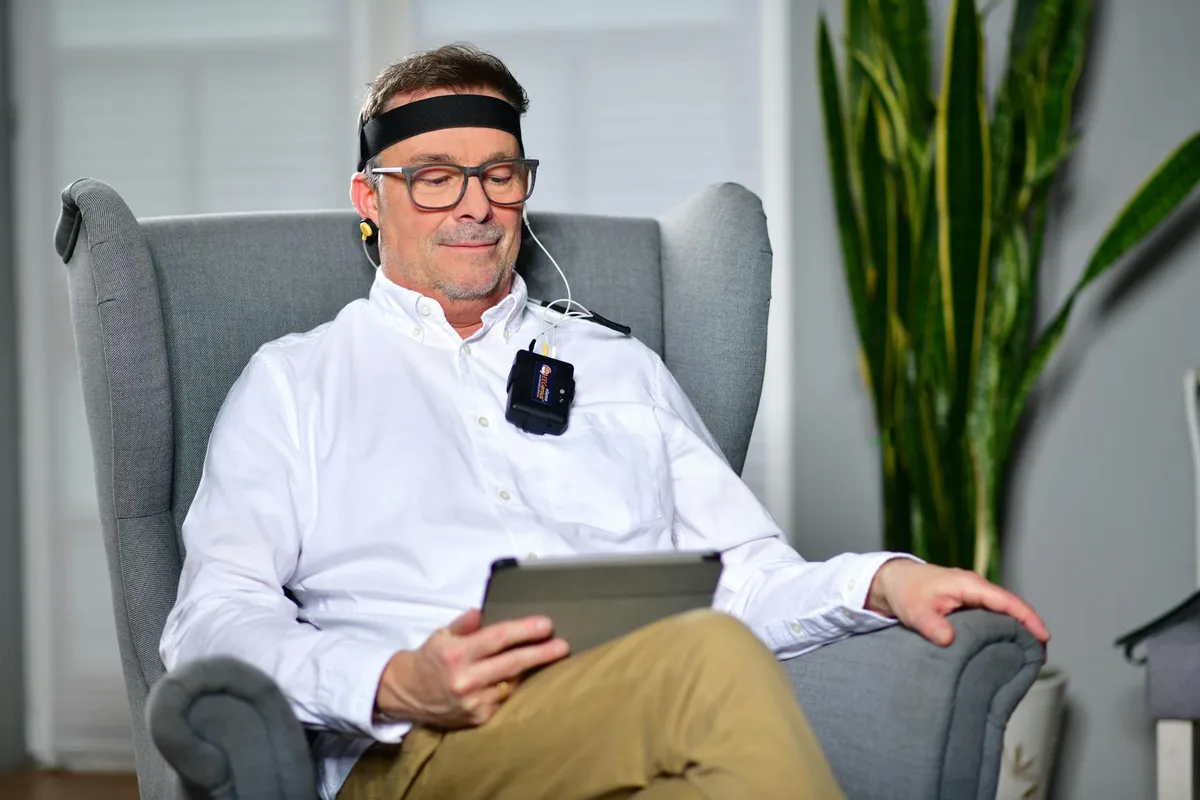
Sensors show your heart rate and tension in real time so you can learn to influence them.
Why explore it
It may ease migraines, chronic pain, anxiety, and sleep issues by training your nervous system.
How it’s experienced
A practitioner guides you through sensor feedback until calming your body becomes second nature.
Evidence context
Well-studied since the 1960s, with strong results for headaches and promising findings for anxiety.
See the evidence snapshotSafety
It's very safe, though heart or psychiatric conditions warrant a doctor's okay before starting.
See staying safeHistory & Origin
Biofeedback teaches individuals to control physiological processes for improved health outcomes.
Biofeedback emerged in the late 1950s and 1960s as scientists began exploring the connection between mind and body through measurable physiological responses. The field was pioneered by researchers like Neal Miller at Yale University, who demonstrated that autonomic nervous system functions previously thought to be beyond conscious control could actually be influenced through learning techniques. This work built upon earlier discoveries in psychophysiology and conditioning theory.
The development of electronic monitoring equipment in the 1960s made real-time feedback possible, allowing individuals to see immediate changes in their physiological state. Key figures like Joe Kamiya at the University of Chicago advanced the field by developing EEG biofeedback techniques, while Barbara Brown popularized the concept through her writings and research. The technique gained significant attention during the human potential movement of the 1960s and 70s.
By the 1970s and 80s, biofeedback became more clinically focused, with researchers like Elmer Green at the Menninger Foundation establishing protocols for treating conditions like migraines and hypertension. The Association for Applied Psychophysiology and Biofeedback was founded in 1969, helping to standardize practices and training. Today, biofeedback is used in medical centers, psychology practices, and wellness facilities worldwide, with modern technology making devices more accessible and portable.
Approaches
Biofeedback isn’t a single method. Practitioners may train in one tradition or blend several — here are the styles you’re most likely to meet.
Uses breathing and feedback from heart rhythm patterns to support stress regulation.
Shows muscle tension in real time so a person can learn to relax or retrain specific muscles.
Tracks skin temperature, often used while practicing relaxation and circulation-focused skills.
Uses EEG-based feedback to train patterns of brain activity; it is often listed separately as EEG biofeedback.
Mechanism
Biofeedback is usually understood through movement, breath, attention, and repeated practice. A session may invite the body to explore safer patterns, steadier pacing, or a more settled relationship with sensation. Some traditions describe this as balancing energy or awareness, while contemporary explanations may focus on coordination, nervous system regulation, mobility, and confidence. Experiences vary by person, teacher, setting, and consistency. Biofeedback uses electronic sensors to measure physiological signals—such as heart rate variability, muscle tension, skin temperature, and breathing patterns—and displays this data in real time to the user, often via visual or auditory cues.
Your first visit
A typical session outline to help you feel prepared
You'll be guided through a calm, tech-assisted session where small sensors read your body's signals in real time, helping you learn to consciously influence your own physical responses.
Your practitioner starts by reviewing your health history, stress patterns, and goals for the session. This conversation helps them choose which body signals to monitor, such as muscle tension, heart
Small, painless sensors are gently attached to your skin, often on your fingers, scalp, shoulders, or forearms depending on what's being measured. No needles or electricity are involved, and the senso
You'll sit quietly for a few minutes while the equipment records your resting levels of things like muscle tension or breathing rhythm. This gives your practitioner a starting point to compare against
A screen in front of you displays your body's responses as live graphs, numbers, or visual cues, so you can actually see how your nervous system is reacting moment to moment. Many people find this par
Your practitioner walks you through techniques like slow diaphragmatic breathing, progressive muscle relaxation, or visual imagery, and you watch the screen shift in real time as your body responds. T
Once you get a feel for what works, your practitioner steps back and encourages you to try shifting your readings independently. This is where you begin building the self-awareness that carries over into daily life.
Sensors are removed and your practitioner walks you through what the session's data showed, highlighting patterns and progress. You'll leave with simple techniques to practice at home between visits.
The Evidence
What the research says about biofeedback, where evidence is strongest, and what to keep in mind when considering it.
One of the better-researched mind-body techniques available
Biofeedback has been studied since the 1960s, with the strongest evidence for headaches, migraines, and pain conditions. Evidence for anxiety, hypertension, and ADHD is moderate and promising, though individual results vary.
The most consistent findings come from research on tension headaches and migraines, where biofeedback shows measurable, repeatable benefits across multiple trials. Evidence for anxiety management and hypertension is moderate and growing. Effectiveness tends to be higher when seekers practise regularly and combine biofeedback with other therapeutic approaches.
Research began in earnest in the 1960s and has continued to expand across clinical and performance settings. Limitations include inconsistent protocols between studies and the difficulty of creating matched control groups. These factors make direct comparison across trials challenging, so interpreting results requires some caution.
Unlike many complementary approaches, biofeedback relies on electronic measurement of real physiological signals — heart rate, muscle tension, skin temperature — rather than untestable constructs. Its strong evidence base reflects this measurable foundation. It is described here as complementary because, despite that evidence, it sits outside standard clinical pathways in most health systems and is typically used alongside conventional care.
For conditions like hypertension or ADHD, biofeedback is best understood as a complementary skill-building tool rather than a standalone approach. Practitioners and researchers generally recommend it as part of a broader care plan. Those managing these conditions with medication should discuss biofeedback with their prescribing clinician, as physiological changes may affect medication needs over time.
People with cardiovascular conditions, seizure disorders, or serious psychiatric conditions should consult a healthcare provider before beginning. Those on blood pressure or psychiatric medications should flag this with their doctor, as successful training may influence how those medications perform. Temporary fatigue or emotional responses can occur as physiological patterns shift.
Look for practitioners with recognised certification — bodies such as the Biofeedback Certification International Alliance (BCIA) set training standards in many countries. Because biofeedback encompasses distinct modality subtypes, confirm that a practitioner's training matches your area of focus: EEG neurofeedback, EMG-based muscle training, and HRV biofeedback each require specific expertise. Consistent home practice between sessions is identified in research as a key factor in achieving lasting results.
Safety first
General guidance to help you decide whether this approach is appropriate for you. This is informational only and not a substitute for medical, psychological, or professional advice.
If you are pregnant, managing a health condition, recovering from injury or surgery, or taking medication, consult a qualified healthcare professional first.
Some situations call for extra care or a different approach. Share any conditions, injuries, or sensitivities with your practitioner before your first session.
Look for clear boundaries, transparent pricing, and practitioners who avoid fear-based claims or pressure to book frequent sessions.
Mild, short-lived effects such as tenderness, tiredness, or temporary soreness can occur. Rest, hydrate, and tell your practitioner how you respond.
For you?
A simple, human way to weigh it up. This is general guidance, not personal medical advice — a qualified practitioner can advise on your situation.
Gyfts is a discovery platform, not a medical provider. Nothing here diagnoses, treats or replaces professional care. In an emergency, contact your local emergency number.
Explore approaches
Other practices people often explore alongside biofeedback.
In their words
FAQ
During a biofeedback session, small sensors are placed on your skin to monitor physiological functions like muscle tension, heart rate, or skin temperature. You'll watch a computer screen or listen to audio feedback that shows real-time changes in these functions. The practitioner guides you through relaxation techniques while you learn to consciously influence these typically automatic processes. Sessions are painless and non-invasive.
The number of sessions varies depending on your condition and goals, but most people need 8-20 sessions to see significant improvement. Some individuals notice changes within the first few sessions, while others may need several months of training. Conditions like chronic headaches or anxiety typically require 10-15 sessions, while more complex conditions may need longer treatment periods.
Some insurance plans cover biofeedback when performed by licensed healthcare providers for specific medical conditions like chronic pain, headaches, or certain psychiatric conditions. Coverage varies significantly between insurers and plans, so it's important to check with your insurance provider about specific requirements and pre-authorization needs.
While professional training is recommended initially, many people can eventually practice biofeedback techniques at home. Consumer-grade biofeedback devices and smartphone apps are available, though they may not be as precise as clinical equipment. The goal of professional biofeedback training is ultimately to teach you skills you can use independently.
Both options exist. Clinical biofeedback with professional equipment and a trained therapist is the most validated approach — particularly for conditions like migraine, hypertension, incontinence, and ADHD, where the therapist tailors the training protocol to your presentation. Consumer-grade biofeedback devices (HRV monitors, EEG headbands, galvanic skin response wearables) are increasingly accessible and supported by apps. Home devices are useful for maintenance and general stress regulation but have less clinical evidence than professionally supervised programmes. For specific medical indications, clinical biofeedback is preferable.
References
Educational sources that inform this overview. Inclusion is for context and does not imply endorsement.
Full citations are maintained by the Gyfts editorial team and reviewed periodically.
Keep exploring
Browse practitioners, explore honest overviews, and take what you learn to a conversation — at your own pace.