What it is
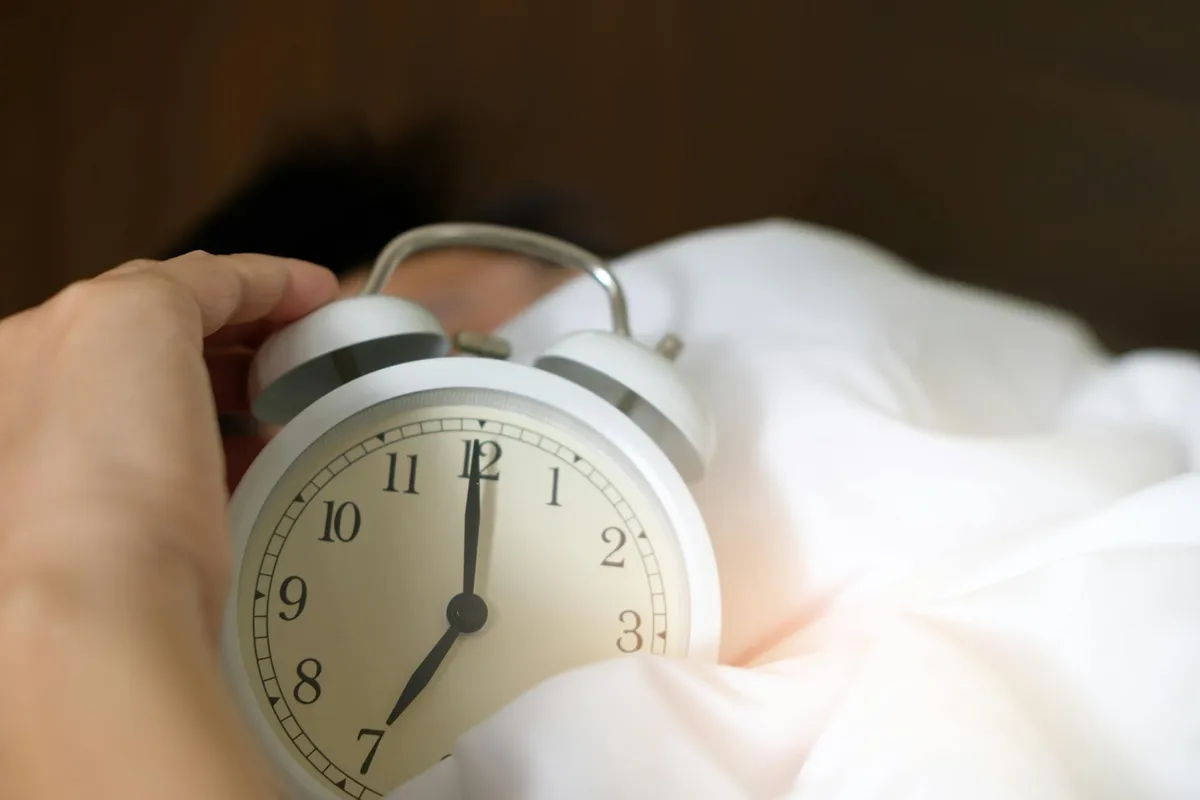
Challenges in rising from sleep, often feeling groggy.
Challenges in rising from sleep, often feeling groggy.
At a glance
What it is
Challenges in rising from sleep, often feeling groggy.
Commonly experienced as
Evidence context
Emerging evidenceSee the evidence snapshotContext
Difficulty waking up describes an abnormal degree of inertia, grogginess, and resistance to awakening — lasting significantly longer than the 15–30 minutes of normal sleep inertia, or involving a profound inability to rouse despite adequate sleep time. It is characteristic of sleep disorders where sleep quality rather than quantity is impaired — particularly obstructive sleep apnoea (where fragmented sleep leaves the person deeply unrestorative), hypersomnia (where excessive sleep drive persists despite apparent adequate sleep), delayed sleep phase disorder (where the biological clock resists awakening before its natural wake time), and severe depression (where early morning grogginess and inability to rise is a classic feature). It can also reflect simple sleep deprivation accumulated over time, where the sleep debt demand exceeds the alarm's capacity to interrupt it.
Could this be you
Difficulty Waking Up shows up differently for everyone. Browse by how it tends to be felt — these are common experiences, not a checklist or a diagnosis.
Common experiences people describe — not a diagnostic checklist.
The Evidence
What research and clinical understanding say about difficulty waking up, and when it matters most.
Often a signal worth investigating, not just a habit to fix
Difficulty waking up can reflect disrupted sleep quality, circadian misalignment, or underlying conditions rather than simply poor sleep habits. Moderate evidence supports several identifiable causes, each with distinct patterns and appropriate responses.
Witnessed pauses in breathing during sleep may indicate obstructive sleep apnoea, which carries cardiovascular risk if unaddressed. Excessive sleepiness that creates danger — such as while driving — warrants urgent professional assessment. Sleep disturbance accompanied by thoughts of self-harm requires immediate support. Do not rely on self-management alone in these situations.
Obstructive sleep apnoea, delayed sleep phase disorder, idiopathic hypersomnia, and depression are each associated with pronounced morning grogginess in clinical literature. Sleep inertia lasting beyond 30 minutes, or occurring despite adequate sleep time, is considered clinically meaningful. Evidence for distinguishing these conditions reliably without professional assessment is limited.
Fragmented sleep from apnoea leaves the body in a state of unrestorative rest regardless of hours slept. Delayed sleep phase disorder creates a biological resistance to waking before the body's natural wake time. Depression frequently presents with early morning heaviness and inability to rise. Accumulated sleep debt can also produce a similar picture, though it typically resolves with recovery sleep.
Holistic approaches often emphasise sleep schedule consistency, light exposure in the morning, reduced evening screen use, and stress management as contributing factors. These strategies have some supporting evidence for circadian regulation and sleep quality, though they are not substitutes for professional assessment when an underlying condition is suspected.
A GP or sleep specialist can assess for conditions such as sleep apnoea or circadian rhythm disorders using validated tools and, where indicated, sleep studies. Psychological support may be relevant where mood is a contributing factor. Complementary approaches such as sleep hygiene coaching or mindfulness may support overall sleep quality alongside, not instead of, professional care.
If difficulty waking has persisted for several weeks, is worsening, or is accompanied by snoring, mood changes, or daytime impairment, a qualified health professional can help identify the cause. Early assessment is particularly important if safety is affected. Gyfts can help you explore relevant practitioners, but does not replace professional evaluation.
References
Educational sources that inform this overview. Inclusion is for context and does not imply endorsement.
Full citations are maintained by the Gyfts editorial team and reviewed periodically.
Keep exploring
Browse practitioners, explore honest overviews, and take what you learn to a conversation — at your own pace.