What it is
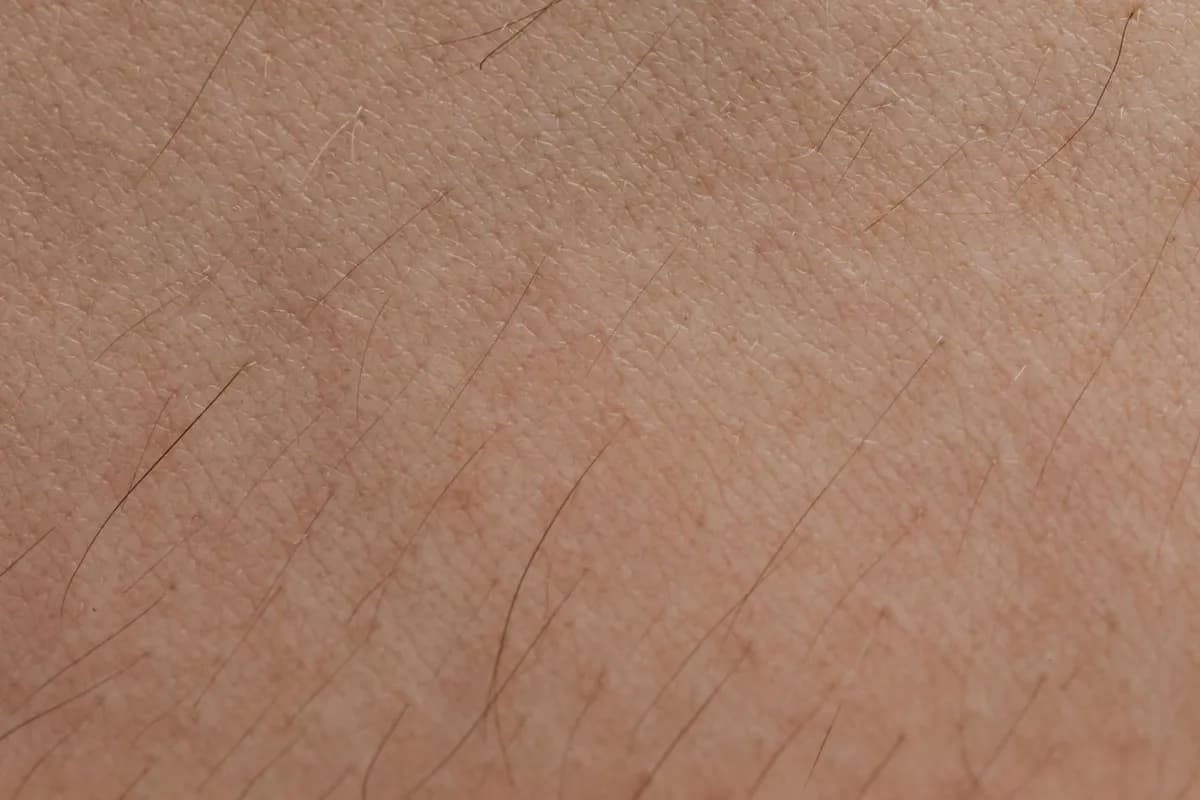
Unwanted hair growth on the face or body — which in women may indicate hormonal imbalance (hyperandrogenism, PCOS) and warrants medical assessment alongside cosmetic management.
Unwanted hair growth on the face or body — which in women may indicate hormonal imbalance (hyperandrogenism, PCOS) and warrants medical assessment alongside cosmetic management.
At a glance
What it is
Unwanted hair growth on the face or body — which in women may indicate hormonal imbalance (hyperandrogenism, PCOS) and warrants medical assessment alongside cosmetic management.
Commonly experienced as
Evidence context
Emerging evidenceSee the evidence snapshotContext
Excess body or facial hair (hypertrichosis) describes general increased hair growth; hirsutism specifically describes androgen-driven hair growth in women in a male pattern (chin, upper lip, chest, abdomen). Hirsutism's most common cause is polycystic ovary syndrome (PCOS), affecting up to 10% of women. Other hormonal causes include elevated prolactin, thyroid dysfunction, and androgen-secreting tumours (rare). Some medications including corticosteroids, minoxidil, and ciclosporin cause generalised excess hair. The distinction between idiopathic hirsutism (elevated sensitivity to normal androgens) and PCOS is important for management.
Could this be you
Excess Hair shows up differently for everyone. Browse by how it tends to be felt — these are common experiences, not a checklist or a diagnosis.
Common experiences people describe — not a diagnostic checklist.
The Evidence
What research and clinical practice say about excess hair, its hormonal drivers, and the role of complementary approaches.
Hormonal causes are well understood; complementary support is emerging
Excess facial or body hair in women is often linked to androgen excess, most commonly from PCOS. Evidence supports lifestyle and nutritional approaches as adjuncts, though professional assessment is essential to identify the underlying cause.
Sudden or rapidly progressing hair growth, especially alongside other signs of hormonal change, warrants prompt evaluation. Rare causes include androgen-secreting tumours. If excess hair appears alongside irregular periods, unexplained weight changes, or deepening voice, professional assessment should not be delayed.
A GP or endocrinologist can assess hormone levels, thyroid function, and rule out medication-related causes. PCOS is the most common driver and can be supported with appropriate professional care. Self-managing without understanding the underlying cause may delay effective care.
Inositol supplementation and low-glycaemic dietary patterns show moderate evidence for reducing androgen levels in PCOS. Spearmint tea has small-scale trial support for lowering androgens. Evidence quality is generally limited by small sample sizes, and these approaches are best considered alongside, not instead of, professional care.
Spearmint tea, chromium, and inositol are among the most studied complementary options for androgen-related hair growth. These are not substitutes for professional assessment but may complement medical or lifestyle management. A practitioner with specific experience in PCOS or hormonal conditions is better placed to tailor these options safely within a broader care plan.
Insulin resistance is a key feature of PCOS-related hirsutism. Regular moderate exercise and reduced intake of refined carbohydrates can improve insulin sensitivity and, over time, reduce androgen levels. These changes are broadly consistent with clinical guidance for PCOS management, making them a practical starting point alongside professional care.
Most studies on herbal and nutritional interventions for hirsutism are small and short-term. Hair growth changes slowly, so outcomes may take months to assess. Cosmetic management addresses appearance but not the underlying hormonal cause. Inflated outcome claims in this area are common and should be viewed critically.
Featured
These practitioners have chosen to be featured on Gyfts.
References
Educational sources that inform this overview. Inclusion is for context and does not imply endorsement.
Full citations are maintained by the Gyfts editorial team and reviewed periodically.
Keep exploring
Browse verified practitioners, explore honest overviews, and take what you learn to a conversation — at your own pace.
