What it is
Heightened sensory perception describes an enhanced awareness of sensory stimuli — including sounds, colours, textures, or subtle environmental changes — beyond typical range.
An enhanced or intensified awareness of sensory stimuli — sounds, colours, textures, or subtle details — that may be experienced as enriching, overwhelming, or both.
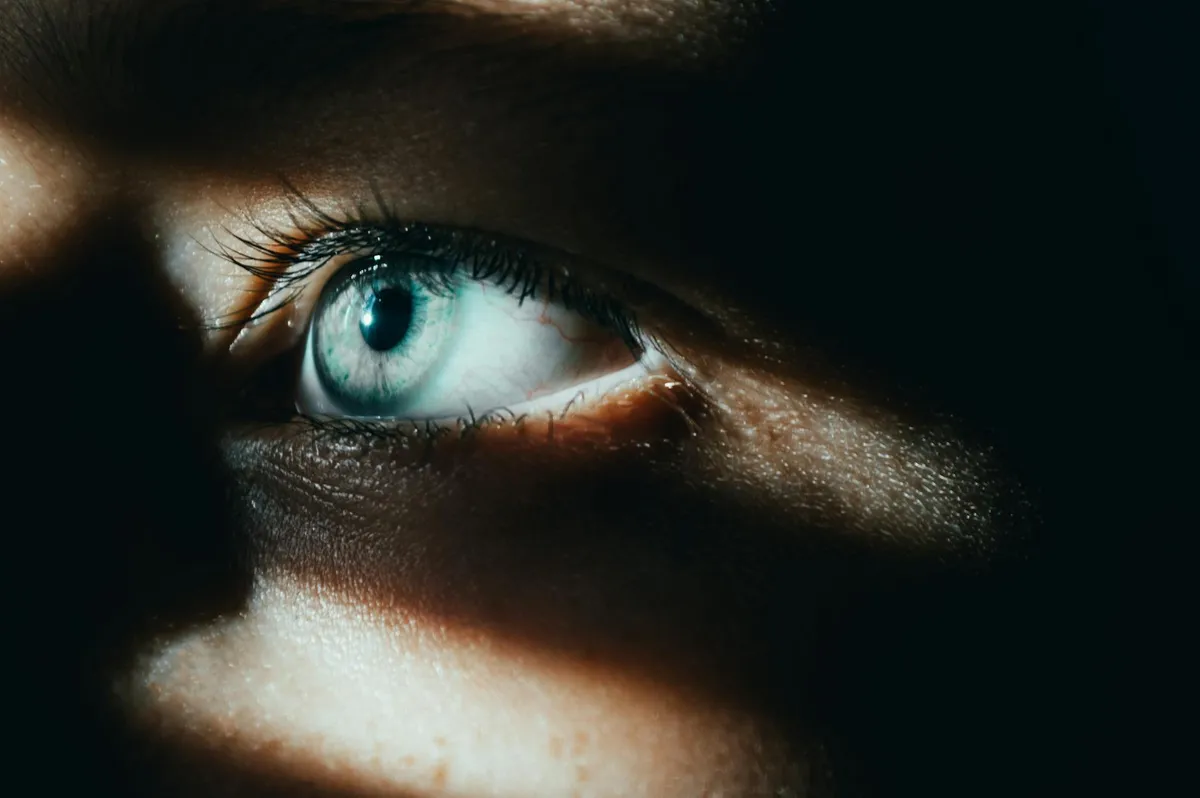
At a glance
What it is
Heightened sensory perception describes an enhanced awareness of sensory stimuli — including sounds, colours, textures, or subtle environmental changes — beyond typical range.
Commonly experienced as
Evidence context
Experiential supportSee the evidence snapshotSafety
See staying safeContext
Heightened sensory perception refers to an increased acuity or awareness of sensory information from the environment — including sharper hearing, more vivid colour perception, heightened tactile awareness, or greater olfactory sensitivity. It exists on a spectrum from the positive richness of the highly sensitive person (HSP) constitutional trait and meditative or flow states, through the functional hypersensitivities associated with autism spectrum conditions, to the perceptual intensification of manic episodes or psychedelic states. In everyday life, heightened sensory perception may be enriching or may lead to overload and fatigue when stimulation is excessive. Clinical significance depends on whether it is distressing, impairing function, or arising in the context of broader psychiatric or neurological change.
Could this be you
Heightened Sensory Perception shows up differently for everyone. Browse by how it tends to be felt — these are common experiences, not a checklist or a diagnosis.
Common experiences people describe — not a diagnostic checklist.
The Evidence
What research and clinical understanding say about heightened sensory perception — and when it matters most.
A spectrum from enriching trait to clinical signal
Heightened sensory perception ranges from a valued constitutional trait to a feature of neurological or psychiatric change. Evidence is limited and context-dependent — understanding the broader picture matters more than the sensory experience alone.
Sensory intensification alongside euphoria, reduced sleep, and racing thoughts may indicate a manic episode. Perceptual changes combined with paranoid thinking require prompt professional evaluation. Sensory shifts following head trauma or a neurological event should always be assessed by a qualified clinician.
Research on the highly sensitive person (HSP) trait links sensory depth to empathy and aesthetic appreciation. Autism research increasingly frames sensory hypersensitivity as a processing difference rather than a deficit. Evidence in meditation and flow states is emerging but limited. Overall, the evidence base is low and context-specific.
Sensory sensitivity is not inherently disordered. Clinical relevance arises when it causes significant distress, impairs daily functioning, or appears alongside other psychiatric or neurological changes. Pathologising sensory depth in autistic or HSP individuals without broader functional impairment may be inaccurate and unhelpful.
Shamanic and indigenous healing practices have long valued heightened sensory awareness as a perceptual gift. Contemplative traditions cultivate sensory richness through awareness-based practices. Elaine Aron's HSP framework offers a contemporary non-pathological lens on constitutional sensory depth.
Treating heightened sensory perception as inherently problematic — particularly in autistic or HSP individuals — can cause unnecessary distress. Context, personal history, and functional impact should guide how this experience is understood. Professional support is most useful when the experience is distressing or unexplained.
A GP or neurologist is appropriate when sensory changes are sudden, unexplained, or follow a health event. Psychologists or occupational therapists experienced in sensory processing can help with functional impact. For those exploring sensory sensitivity as a trait, HSP-informed counsellors or mindfulness practitioners may offer relevant perspectives.
Safety first
General, informational guidance — not diagnostic. A qualified practitioner can advise on your own situation.
References
Educational sources that inform this overview. Inclusion is for context and does not imply endorsement.
Full citations are maintained by the Gyfts editorial team and reviewed periodically.
Keep exploring
Browse practitioners, explore honest overviews, and take what you learn to a conversation — at your own pace.