What it is
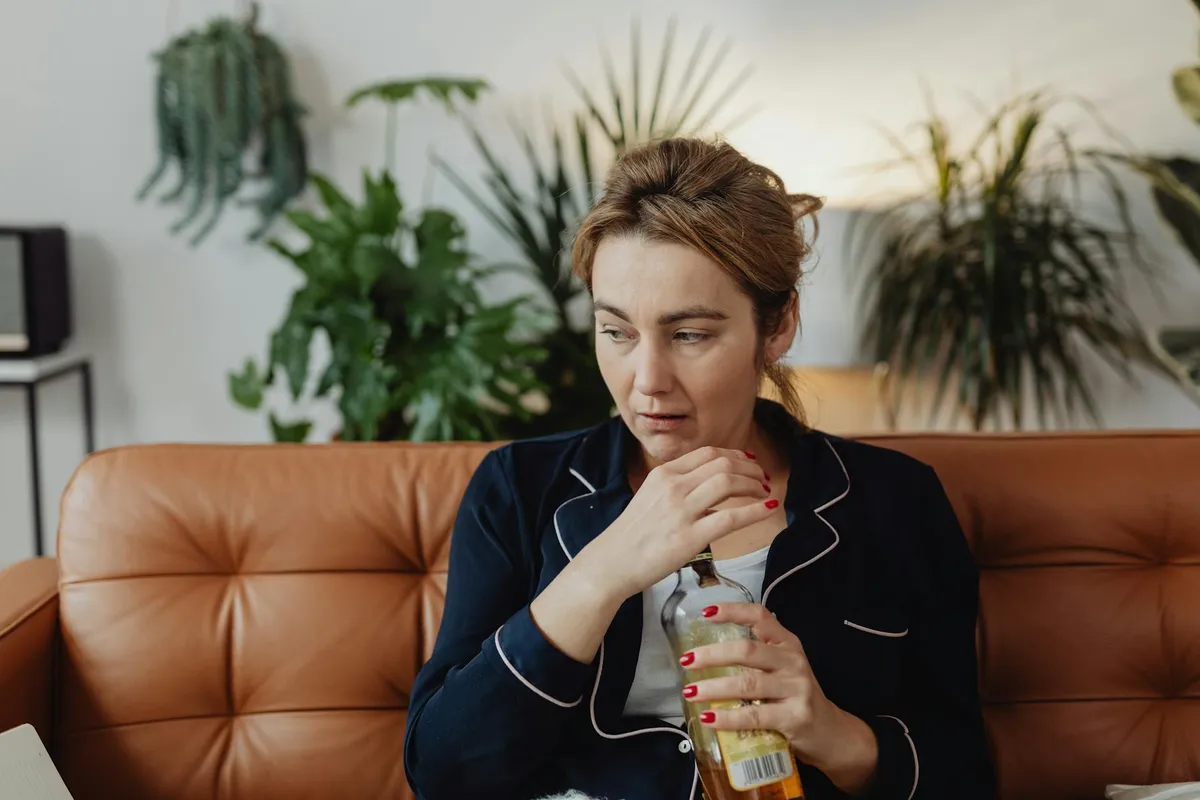
A strong desire to consume alcohol, often difficult to resist.
A strong desire to consume alcohol, often difficult to resist.
At a glance
What it is
A strong desire to consume alcohol, often difficult to resist.
Commonly experienced as
Evidence context
Emerging evidenceSee the evidence snapshotContext
Intense alcohol cravings describe powerful, urgent desires for alcohol that arise in individuals with alcohol use disorder or dependence — driven by conditioning, withdrawal physiology, stress, and the anticipation of alcohol's rewarding and anxiety-reducing effects. Alcohol cravings are among the most powerful determinants of relapse in recovery, triggered by environmental cues (settings, people, times of day associated with drinking), emotional states (particularly anxiety, stress, and negative affect), and physical withdrawal activation. The neurobiology involves sensitised dopaminergic reward pathways and opioid receptor activation producing the 'wanting' of alcohol distinct from the 'liking' of it. Medical interventions including naltrexone (which blocks alcohol's opioid reward signal and reduces craving intensity), acamprosate, and disulfiram have strong evidence for craving management in alcohol use disorder.
Could this be you
Intense Alcohol Cravings shows up differently for everyone. Browse by how it tends to be felt — these are common experiences, not a checklist or a diagnosis.
Common experiences people describe — not a diagnostic checklist.
The Evidence
What research and clinical practice currently tell us about intense alcohol cravings and the approaches used to address them.
Established pharmacological options, emerging complementary support
Pharmacological approaches such as naltrexone and acamprosate have a more established evidence base than complementary strategies, which remain in earlier stages of research. Across the broader landscape of craving management, evidence continues to develop.
Seek immediate support if cravings are accompanied by thoughts of self-harm or suicide, psychotic symptoms, or severe mood changes affecting daily function. Alcohol withdrawal itself can be medically serious — if you are reducing or stopping heavy alcohol use, professional supervision is strongly advised before making changes.
Medications such as naltrexone and acamprosate have a stronger evidence base than most complementary approaches for reducing craving intensity and supporting recovery in alcohol use disorder. Mindfulness-based interventions and cognitive-behavioural strategies show promising results as adjuncts, though this evidence base is still developing and findings vary across study contexts.
Intense cravings reflect sensitised dopamine reward pathways and opioid receptor activity that drive a powerful 'wanting' of alcohol. Environmental cues, emotional states, and withdrawal physiology all act as triggers. Understanding these mechanisms helps explain why cravings can feel overwhelming and why structured, evidence-based support is often needed.
Mindfulness-based relapse prevention and urge-surfing techniques have shown early evidence for helping individuals observe and tolerate cravings without acting on them. These approaches are best understood as adjuncts to — not substitutes for — professional assessment and evidence-based care. Evidence is emerging and not yet definitive.
A GP, addiction medicine specialist, or mental health professional can assess craving severity, identify underlying factors, and discuss evidence-based options including medication, psychological therapies, and structured support programmes. Peer support networks and structured recovery programmes can also play a meaningful role alongside professional care.
This content is intended to inform, not to guide personal decisions about alcohol use or recovery. Craving intensity, underlying dependence, and appropriate support vary significantly between individuals. A qualified professional is best placed to assess your situation and discuss options suited to your circumstances.
References
Educational sources that inform this overview. Inclusion is for context and does not imply endorsement.
Full citations are maintained by the Gyfts editorial team and reviewed periodically.
Keep exploring
Browse practitioners, explore honest overviews, and take what you learn to a conversation — at your own pace.