What it is
Overwhelming fear triggered by specific objects or situations.
Overwhelming fear triggered by specific objects or situations.
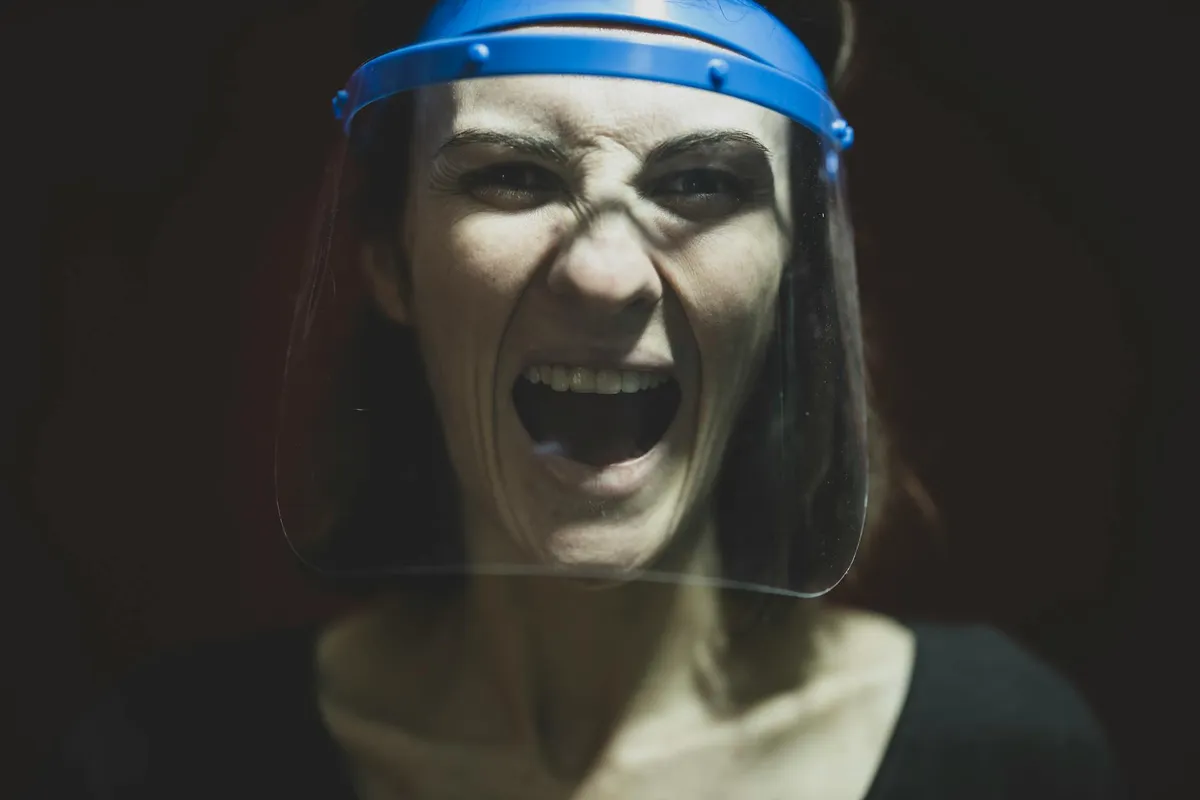
At a glance
What it is
Overwhelming fear triggered by specific objects or situations.
Commonly experienced as
Evidence context
Emerging evidenceSee the evidence snapshotContext
Intense fear response describes the acute activation of the body's threat-detection system — producing a rapid, powerful surge of anxiety, physical arousal, and behavioural preparation — in response to a perceived threat. The intensity may be proportionate to a genuinely threatening situation or disproportionate to a stimulus that has acquired threat significance through conditioning or hyperreactive nervous system function. In phobias, specific stimuli produce fear responses of clinical intensity despite posing no objective danger. In PTSD, trauma-related cues trigger the full fight-or-flight response. In panic disorder, internal sensations become triggering stimuli. The neurobiological substrate involves the amygdala's rapid, pattern-matching threat assessment that bypasses prefrontal modulation — producing a felt-first, think-second response that is difficult to override with rational reassurance alone.
Could this be you
Intense Fear Response shows up differently for everyone. Browse by how it tends to be felt — these are common experiences, not a checklist or a diagnosis.
Common experiences people describe — not a diagnostic checklist.
The Evidence
What research and clinical practice currently say about intense fear responses and approaches to support.
Well-studied fear biology, growing support for targeted interventions
The neuroscience of acute fear is well established, and several psychological approaches have meaningful research support. Evidence for complementary and holistic strategies is growing but generally less robust than for first-line psychological therapies.
Seek qualified support without delay if fear responses are accompanied by thoughts of self-harm, inability to manage daily life, psychotic symptoms, or distress persisting beyond two weeks. These signs go beyond what self-directed or complementary approaches are designed to address. A qualified mental health professional can carry out a proper assessment.
Cognitive-behavioural therapy, particularly exposure-based approaches, has well-supported research for specific presentations such as phobias, PTSD, and panic. Mindfulness-based interventions show moderate evidence for reducing fear reactivity and improving emotional regulation. Evidence for most complementary approaches is preliminary, with small study sizes and limited replication.
The amygdala triggers a fast-acting threat response before conscious reasoning can intervene — producing physical arousal, behavioural preparation, and a felt sense of danger. This is adaptive in genuine threat situations but can become dysregulated. Some evidence suggests that approaches incorporating somatic or physiological components may complement cognitive strategies, though individual responses vary.
Breathwork, body-based relaxation, and mindfulness practices can support nervous system regulation and reduce baseline reactivity over time. Evidence is moderate and these approaches are generally considered complementary to, not substitutes for, professional assessment and psychological support. Individual responses vary.
For mild or situational fear responses, self-directed strategies and complementary approaches may offer meaningful support. For persistent, intense, or functionally limiting fear, professional psychological support is strongly recommended. Holistic and complementary options can work alongside professional care but are not a substitute for professional assessment where symptoms are significant.
If fear responses are frequent, severe, or interfering with work, relationships, or daily function, a qualified mental health professional should be involved. GPs, psychologists, and psychiatrists can assess what is driving the response and recommend appropriate support. Early professional input generally leads to better outcomes.
References
Educational sources that inform this overview. Inclusion is for context and does not imply endorsement.
Full citations are maintained by the Gyfts editorial team and reviewed periodically.
Keep exploring
Browse practitioners, explore honest overviews, and take what you learn to a conversation — at your own pace.