What it is
Itching of the scalp, commonly caused by dandruff, seborrhoeic dermatitis, psoriasis, or contact dermatitis from hair products.
Itching of the scalp, commonly caused by dandruff, seborrhoeic dermatitis, psoriasis, or contact dermatitis from hair products.
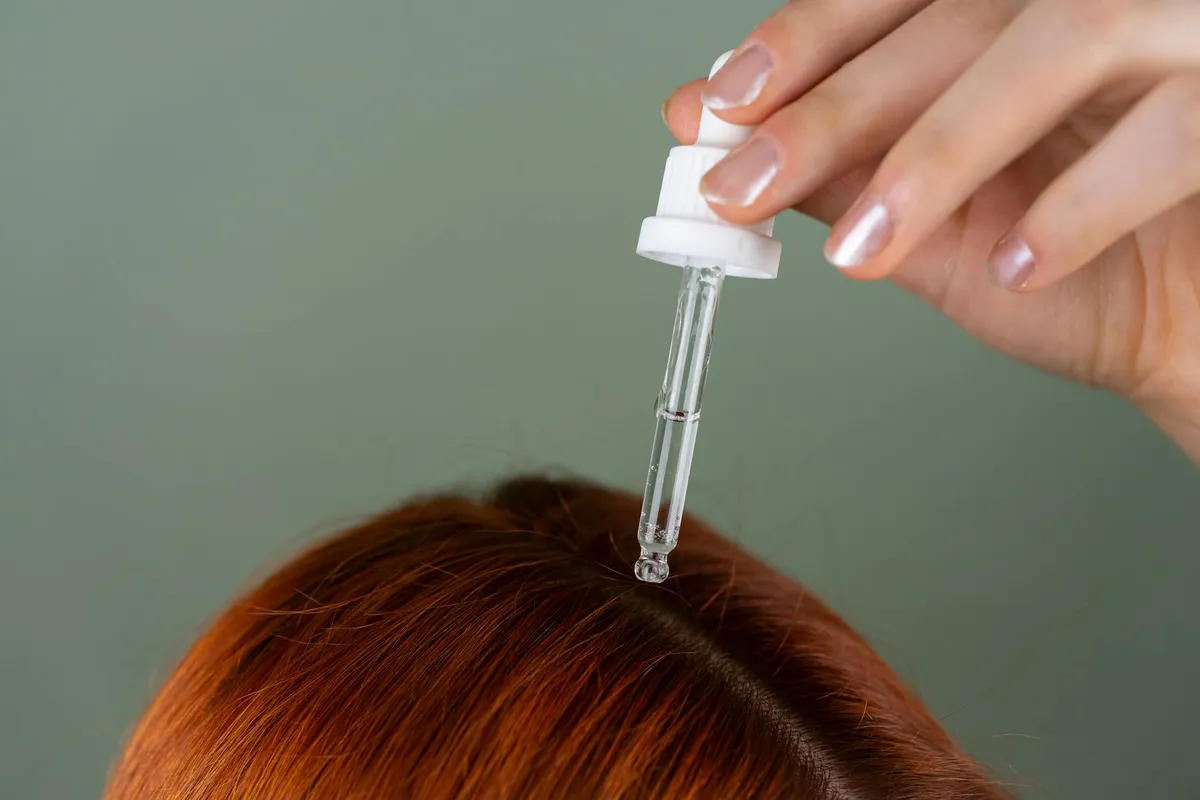
At a glance
What it is
Itching of the scalp, commonly caused by dandruff, seborrhoeic dermatitis, psoriasis, or contact dermatitis from hair products.
Commonly experienced as
Evidence context
Research-supportedSee the evidence snapshotContext
Itchy scalp (scalp pruritus) describes an uncomfortable itching, tingling, or irritation affecting the scalp — which may or may not be accompanied by visible skin changes. The most common cause is dandruff and seborrhoeic dermatitis — driven by inflammatory response to Malassezia yeast colonisation, producing flaking, redness, and itching primarily at the hairline, temples, and crown. Scalp psoriasis produces thicker scale with more intense itching. Contact dermatitis from hair dyes (particularly PPD — paraphenylenediamine — a highly sensitising chemical), shampoos, conditioners, and styling products produces itching and sometimes oozing at the contact sites. Head lice produce intense itching, typically in children, through hypersensitivity reaction to louse saliva. Scalp tinea (ringworm) produces itchy, scaly patches with hair loss.
Could this be you
Itchy Scalp shows up differently for everyone. Browse by how it tends to be felt — these are common experiences, not a checklist or a diagnosis.
Common experiences people describe — not a diagnostic checklist.
The Evidence
What research and clinical practice tell us about itchy scalp and the options available to support it.
Common causes are well understood with clear care pathways
Itchy scalp has a strong evidence base for its most frequent causes — dandruff, seborrhoeic dermatitis, psoriasis, and contact dermatitis — with well-studied topical options available. Identifying the underlying cause is key to choosing the right approach.
Seek prompt professional assessment if itching is accompanied by fever and a rapidly spreading rash, signs of skin infection such as increasing redness, warmth, swelling, or pus, or a skin lesion that is changing shape, colour, or size. A non-healing wound or ulcer on the scalp also warrants timely review. These presentations go beyond self-care.
Ketoconazole shampoo has strong evidence for seborrhoeic dermatitis driven by Malassezia yeast. Topical corticosteroids have strong evidence for scalp psoriasis and contact dermatitis. For head lice, permethrin-based treatments are well-supported. Evidence quality varies for complementary approaches, and most have not been studied to the same standard.
Dandruff and seborrhoeic dermatitis are the most common causes, producing flaking and redness at the hairline and crown. Scalp psoriasis produces thicker scale with more intense itch. Contact dermatitis — often from hair dyes containing PPD — causes itch at contact sites. Head lice and scalp ringworm are also recognised causes, particularly in children.
Medicated shampoos, topical anti-inflammatory preparations, and allergen avoidance are first-line options for most common causes. Complementary approaches such as tea tree oil have some limited evidence for dandruff but should not replace professional assessment where symptoms persist. Identifying and avoiding triggering hair products is often a practical first step.
If itching persists beyond a few weeks, is severe, or is accompanied by hair loss, scaling, or skin changes, a GP or dermatologist can help identify the cause and guide appropriate care. Patch testing may be recommended where contact allergy is suspected. Self-managing without a clear cause can delay effective support.
Evidence for many complementary and natural approaches to scalp itch is limited or based on small studies. What works well for dandruff may not help psoriasis or contact dermatitis. Gyfts provides educational context only and is not a substitute for professional assessment of your specific situation.
References
Educational sources that inform this overview. Inclusion is for context and does not imply endorsement.
Full citations are maintained by the Gyfts editorial team and reviewed periodically.
Keep exploring
Browse practitioners, explore honest overviews, and take what you learn to a conversation — at your own pace.