What it is
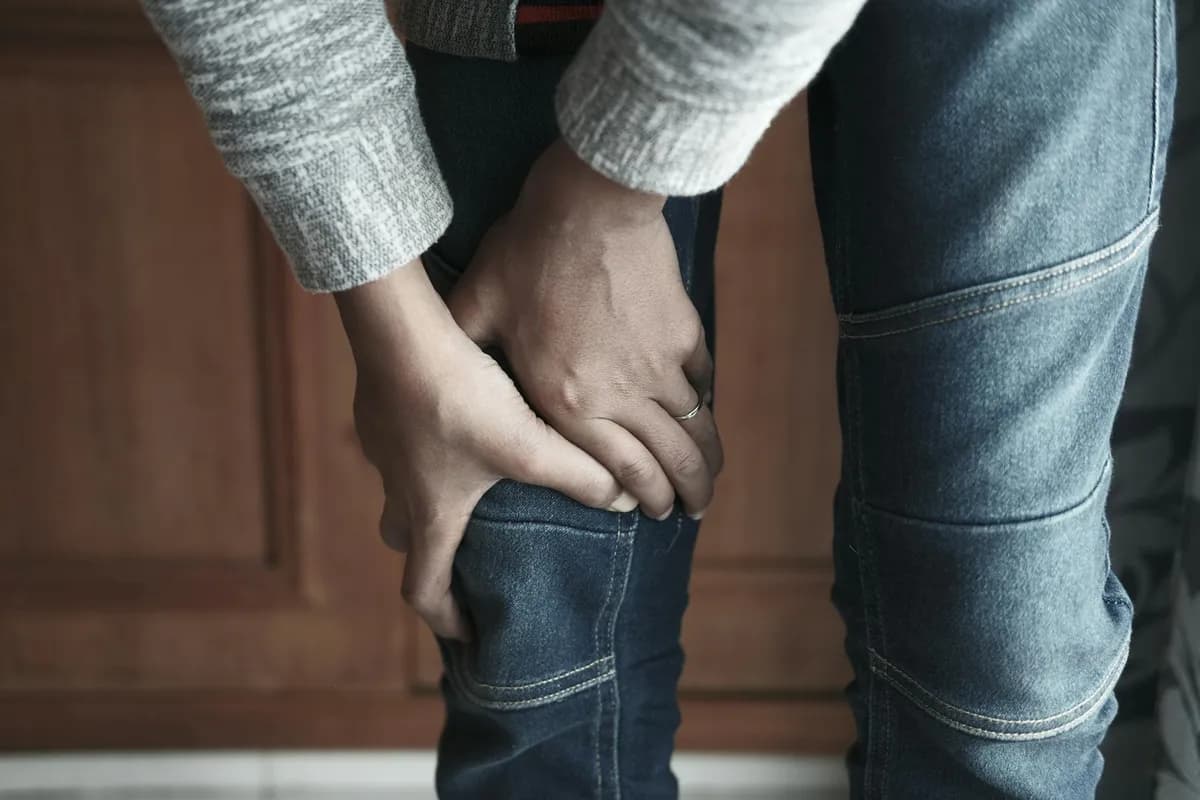
Pain in the knee during movement or weight-bearing activities.
Pain in the knee during movement or weight-bearing activities.
At a glance
What it is
Pain in the knee during movement or weight-bearing activities.
Commonly experienced as
Evidence context
Research-supportedSee the evidence snapshotContext
Knee pain with movement describes pain that is provoked or worsened specifically during knee motion — bending, straightening, weight-bearing, climbing stairs, squatting, or pivoting — rather than being uniformly present at rest. The movement-provocative quality provides important diagnostic information: pain on stairs and deep knee bend typically implicates the patellofemoral joint; pain with twisting suggests meniscal involvement; pain on full extension or flexion points toward different intra-articular structures. Patellofemoral pain syndrome is the most common cause of movement-related knee pain in younger adults, while osteoarthritis produces the most prevalent movement pain in those over 50. Physiotherapy targeting quadriceps and hip strengthening reliably reduces patellofemoral pain with strong evidence. Activity modification during flares and return to movement during recovery are both important.
Could this be you
Knee Pain with Movement shows up differently for everyone. Browse by how it tends to be felt — these are common experiences, not a checklist or a diagnosis.
Common experiences people describe — not a diagnostic checklist.
The Evidence
What research and clinical practice say about knee pain that occurs during movement and weight-bearing activities.
Well-studied symptom with clear care pathways
Movement-related knee pain is one of the most researched musculoskeletal complaints, with strong evidence supporting physiotherapy, exercise, and structured rehabilitation. The pattern of pain during specific movements helps guide appropriate assessment and care.
Seek prompt professional attention if you cannot bear weight on the knee, notice significant swelling with heat or redness, have experienced a fall or trauma, or notice progressive weakness or loss of function. These signs may indicate injury or conditions that need timely professional assessment and should not be managed with self-care alone.
Physiotherapy targeting quadriceps and hip strengthening is among the most evidence-supported approaches for patellofemoral pain, the most common cause of movement-related knee pain in younger adults. For those over 50, osteoarthritis is the leading cause, and low-impact exercise remains a well-supported first-line approach. Evidence for many complementary options is more limited.
Pain on stairs or deep squatting often points to the patellofemoral joint. Pain with twisting or pivoting may suggest meniscal involvement. Pain at end-range flexion or extension can indicate different intra-articular structures. A qualified practitioner uses these patterns alongside physical assessment to guide appropriate care — not movement pattern alone.
Structured physiotherapy, activity modification during flares, and gradual return to movement are well-supported strategies. Complementary approaches such as acupuncture and manual therapy are used alongside conventional care by some people, with mixed evidence. Any approach should be discussed with a qualified practitioner, particularly if symptoms are persistent or worsening.
A physiotherapist, sports medicine practitioner, or general practitioner can assess the likely source of movement-related knee pain and recommend an appropriate plan. Self-directed exercise can be helpful, but professional guidance reduces the risk of aggravating an underlying issue. Imaging is not always necessary and is best guided by a qualified clinician.
This content is intended to support awareness and informed conversations, not to replace professional evaluation. Knee pain has many possible causes, and the right approach depends on individual factors that only a qualified practitioner can assess. Gyfts does not prescribe, assess, or determine the cause of your symptoms.
References
Educational sources that inform this overview. Inclusion is for context and does not imply endorsement.
Full citations are maintained by the Gyfts editorial team and reviewed periodically.
Keep exploring
Browse practitioners, explore honest overviews, and take what you learn to a conversation — at your own pace.