What it is
Limited range of motion is caused by pain, inflammation, structural joint changes, or neurological factors.
A reduction in the normal range of movement in one or more joints, limiting the ability to perform everyday activities. May be caused by pain, muscle tightness, joint inflammation, structural changes, or neurological factors.

At a glance
What it is
Limited range of motion is caused by pain, inflammation, structural joint changes, or neurological factors.
Commonly experienced as
Evidence context
Emerging evidenceSee the evidence snapshotSafety
See staying safeContext
What is Limited Range of Motion?
Limited range of motion refers to a restriction in the normal movement of joints, preventing them from moving through their full, expected arc of movement. This can affect any joint in the body, from shoulders and hips to fingers and ankles, making everyday activities more challenging.
How It Feels
People with limited range of motion often describe feeling stiff, tight, or restricted when trying to move affected joints. The limitation may be accompanied by discomfort, pulling sensations, or sometimes pain when attempting to move beyond the restricted range.
Common Causes
This symptom can result from various factors including muscle tightness, joint inflammation, scar tissue formation, previous injuries, arthritis, or prolonged periods of immobility. Age-related changes, poor posture, and repetitive strain can also contribute to gradual restrictions in joint mobility.
Impact on Daily Life
Limited range of motion can significantly affect daily activities such as reaching overhead, bending down, turning your head while driving, or even simple tasks like getting dressed. The restriction often leads to compensatory movement patterns that may create additional strain on other parts of the body.
Could this be you
Limited range of motion shows up differently for everyone. Browse by how it tends to be felt — these are common experiences, not a checklist or a diagnosis.
Common experiences people describe — not a diagnostic checklist.
The Evidence
What research and clinical practice tell us about limited range of motion and the approaches used to address it.
Physiotherapy and manual therapy show consistent benefit
Limited range of motion has a solid evidence base for several conventional approaches, particularly physiotherapy and manual therapy. Evidence for complementary approaches varies by method and condition, and some red flags require prompt professional assessment.
Seek prompt care if restriction follows trauma without imaging, appears alongside fever, warmth, and redness (possible joint infection), or develops rapidly with neurological features such as weakness or numbness. Sudden onset restriction in a child also warrants early professional review. These situations are not appropriate for self-management alone.
Physiotherapy is well-supported for restoring joint mobility across a range of causes. Corticosteroid injection combined with physiotherapy has good evidence specifically for frozen shoulder. Early mobilisation following injury or surgery is supported for preserving range of motion. Hydrotherapy has evidence in inflammatory arthritis contexts.
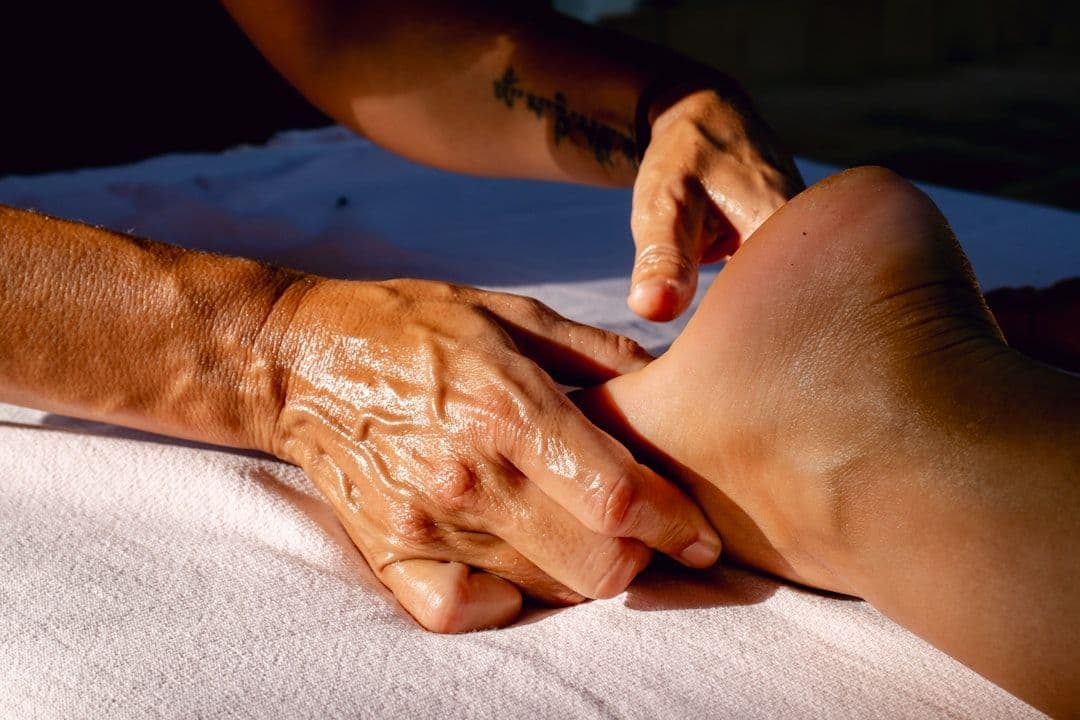
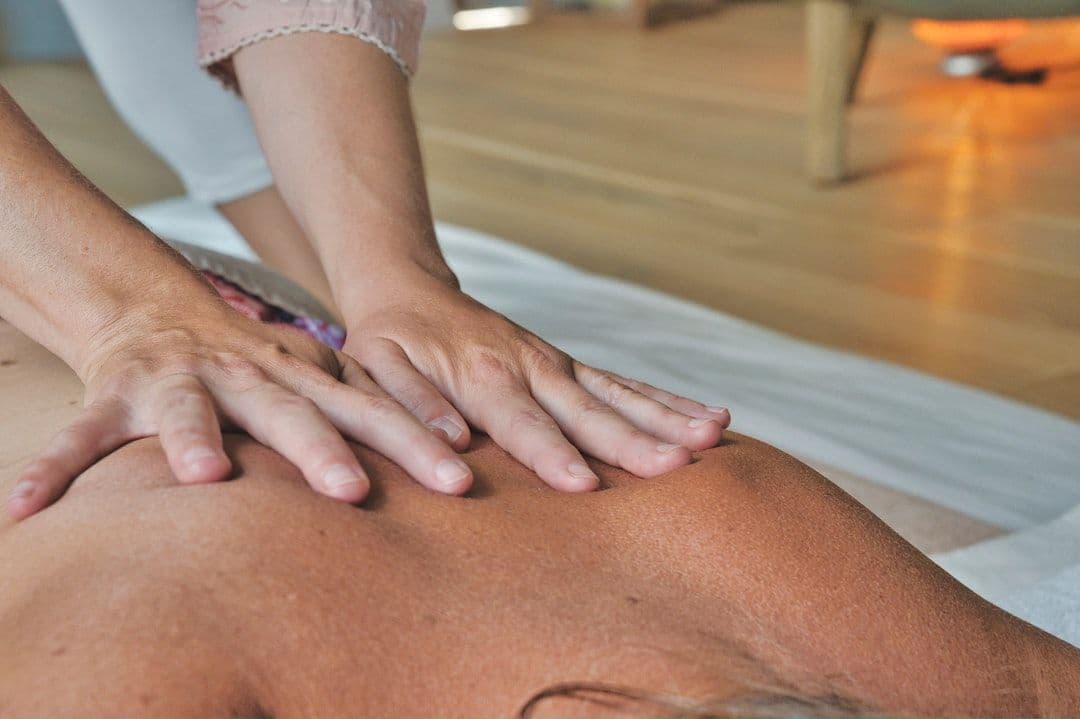
Systematic reviews suggest massage therapy can improve range of motion, though effect sizes vary by joint and condition. Yoga has evidence for mobility and pain in chronic low back conditions. These approaches are generally used alongside, not instead of, conventional care. Evidence quality varies and individual responses differ.
Traditional Chinese Medicine addresses restricted movement through sinew channel theory, using acupuncture, Tui Na, and Gua Sha. Ayurvedic approaches include Abhyanga oil massage and Pinda Sweda herbal poultice for joint stiffness. These frameworks use different conceptual models from biomedicine. Acupuncture has some trial evidence for musculoskeletal conditions, though study quality varies.
Forced passive stretching beyond the pain threshold during active inflammation can worsen tissue damage. Spinal manipulation should not be performed without prior assessment where instability or fracture is possible. Always inform practitioners of your full history, including recent injury, surgery, or inflammatory conditions, before beginning any hands-on therapy.
Because limited range of motion has many possible causes, professional assessment helps clarify the underlying issue and inform the most appropriate approach. Physiotherapists, osteopaths, and sports medicine practitioners commonly assess joint mobility. For inflammatory or systemic causes, a medical review is important before beginning any physical therapy programme.
Safety first
General, informational guidance — not diagnostic. A qualified practitioner can advise on your own situation.
Top Practitioners
Practitioners are ranked using relevance, experience signals, reviews, and support-area fit.
References
Educational sources that inform this overview. Inclusion is for context and does not imply endorsement.
Full citations are maintained by the Gyfts editorial team and reviewed periodically.
Keep exploring
Browse practitioners, explore honest overviews, and take what you learn to a conversation — at your own pace.