Before the Session: What to Expect
The hours leading up to your massage appointment often feel like you are stepping out of regular life and into a space designed for rest. You might notice yourself mentally preparing—anticipating the release of tension you have been carrying in your shoulders or lower back. If you have chronic pain or stiffness, there may be a mix of hope and caution, wondering whether this session will bring relief. Many people find it helpful to arrive a few minutes early, allowing time to settle into a calmer frame of mind. It is also wise to eat lightly before your appointment, as lying on your stomach with a full belly can feel uncomfortable. Some practitioners ask you to complete a brief health intake form, asking about injuries, medical conditions, medications, and areas where you hold tension. This simple conversation is important—it allows your practitioner to understand your body's story and tailor the session to your needs. You may also be asked about pressure preference. If you have never had a massage, knowing you can speak up if something feels too intense can ease any nervousness. Most people feel a quiet anticipation at this stage, a sense that something nurturing is about to happen.
Arriving and Setting the Scene
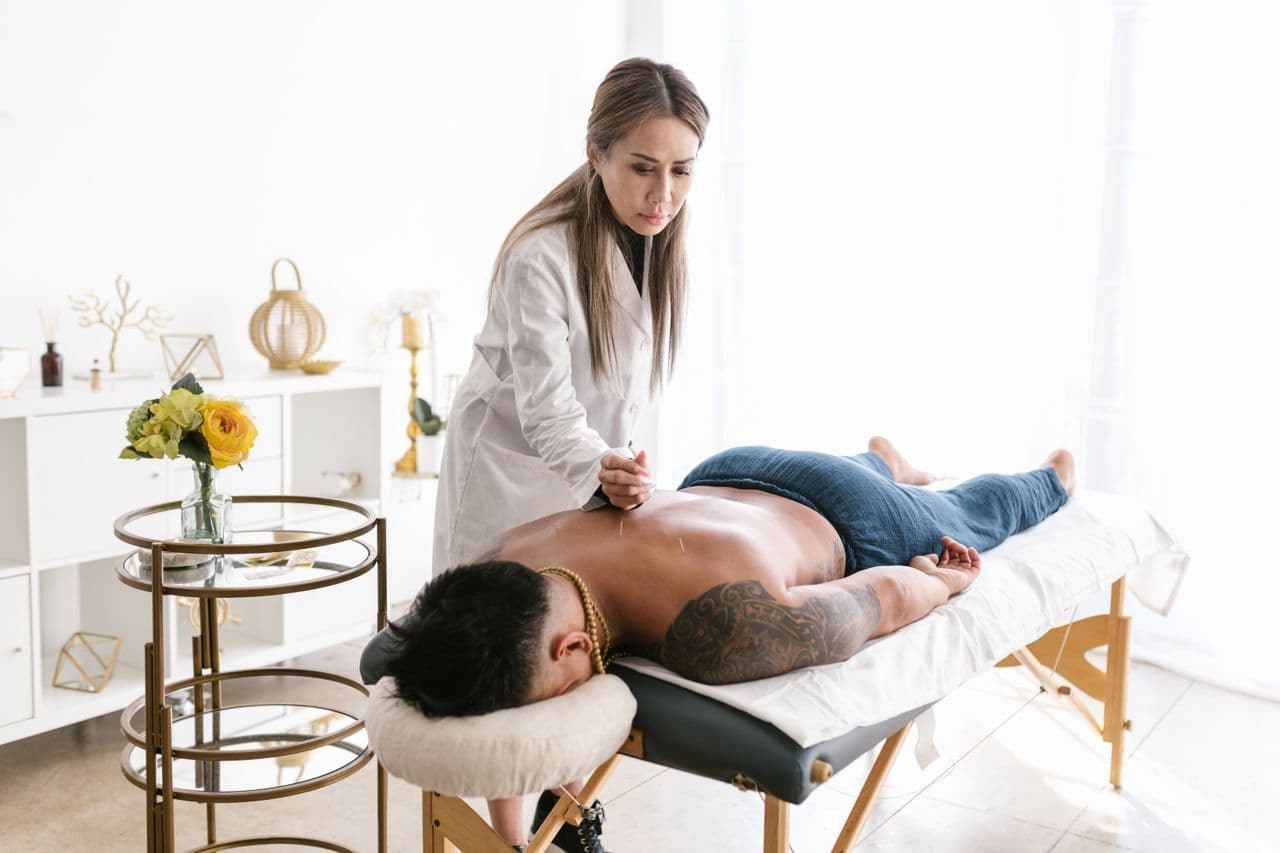
Walking into a massage room often feels like stepping into a different world. The air is typically warm, sometimes infused with gentle scent—lavender or eucalyptus are common choices. Soft music plays in the background, usually instrumental and slow-paced, designed to calm your nervous system before you even lie down. The lighting is dim, often amber or candlelit, which naturally encourages your eyes to soften and your breathing to deepen. A massage table awaits, padded and covered with clean sheets. Your therapist explains what will happen, confirms your comfort level with pressure and areas to avoid, and then steps out so you can undress and position yourself under the blankets. In these quiet moments alone, you might notice your breathing beginning to slow. Once your therapist returns, you are already halfway to a state of deep relaxation. Many describe this transition as surprisingly quick—within the first few minutes of quiet presence and initial touch, the outside world begins to fade.
During the Session
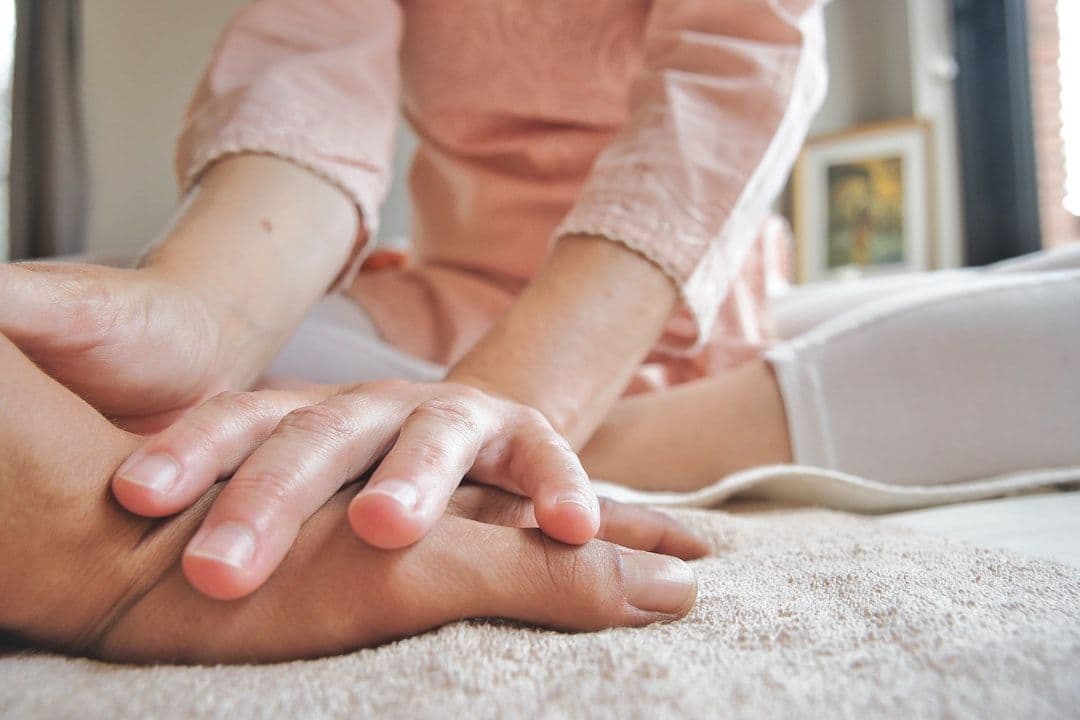
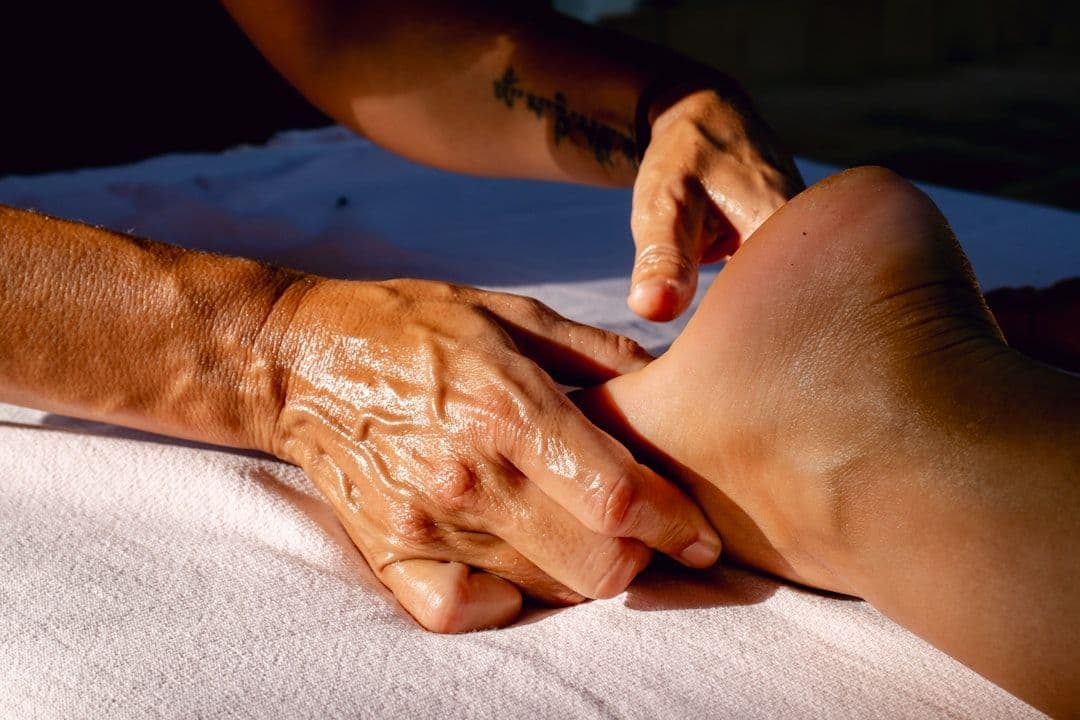
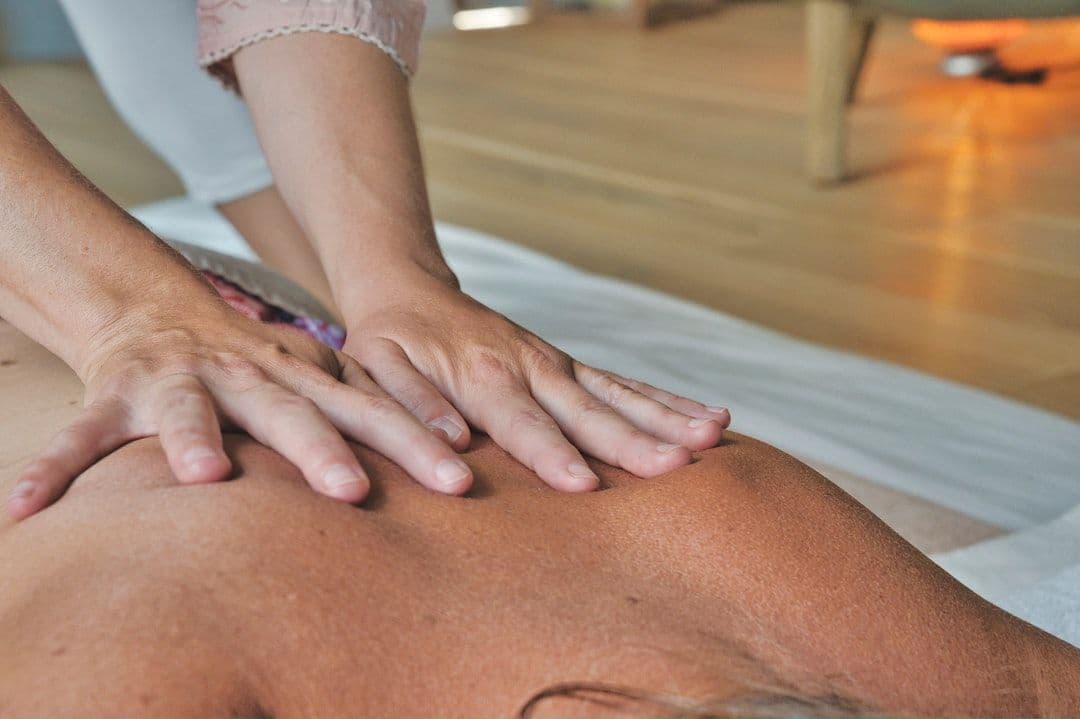
The first touch is often light and grounding—your therapist's hands making contact with your back, shoulders, or wherever the focus begins. This initial contact can feel surprising in its gentleness; it signals safety. As the session progresses, pressure gradually increases, and you begin to notice the specific tension you were carrying becomes the object of skilled attention. If you hold stress in your shoulders, you might feel your therapist's hands working at the base of your neck, slowly releasing knots that have tightened over weeks or months. If lower back pain has been limiting your movement, the sustained pressure and slow, deliberate strokes across your lumbar region may feel simultaneously tender and relieving. The sensation is often described as a good kind of ache—pressure that your body welcomes. Your mind typically quiets during a massage. The combination of warmth, rhythmic touch, and focused attention naturally draws your awareness inward. Thoughts that felt urgent an hour ago may simply drift away. Some people fall asleep; others exist in a dreamy, half-aware state where time feels suspended. Your breath often deepens without conscious effort. The warmth of the room and the skilled manipulation of your muscles signal to your nervous system that you are safe, triggering a physiological shift toward relaxation and recovery. If your session addresses specific problem areas—a trigger point in your upper back, stiffness in your neck, or sciatic-type pain radiating down your leg—you might notice the sensation shift from sharp or dull discomfort to gradual release as tension begins to unwind.
How You May Feel Afterwards
As the session winds down, your therapist's touch becomes lighter again, and you may feel gently drawn back toward wakefulness. There is often a moment of quiet before your therapist leaves the room, giving you space to simply be. When you stand, you might notice an unusual lightness—as though some weight you did not fully recognize has been lifted. Your shoulders may sit lower. Your range of motion often improves noticeably; if turning your head was stiff before, it may feel easier now. Many people describe feeling deeply relaxed and slightly drowsy in the hours following a session, as though your nervous system is still settling into the calm that was activated. Some experience mild soreness, similar to muscle fatigue after gentle exercise, which typically resolves within a day or two. Sleep that night often feels deeper and more restorative. In the days following, you might notice lingering benefits: reduced morning stiffness, fewer muscle spasms, improved ability to move without pain, or simply a sustained sense of ease in your body. Mental clarity often accompanies physical relaxation—your mind may feel clearer, your mood lighter. For those managing burnout or stress-related tension, the emotional release can be as significant as the physical one. Over time, with regular sessions, many people notice they hold less chronic tension overall, sleep better on average, and recover more quickly from physical or emotional stress. The experience of massage extends far beyond the treatment table into how you inhabit your body in daily life.
Is It Right for You?
Massage may be right for you if you carry tension in your muscles, experience stiffness or pain that limits your movement, struggle with sleep disrupted by discomfort, or feel the weight of stress in your body. It can support those managing chronic pain, fibromyalgia, arthritis, or recovery from burnout. If you have experienced sciatica, radiating leg pain, or the morning stiffness that makes getting out of bed difficult, massage may help reduce muscle tension contributing to these symptoms. However, massage is most effective as part of a broader approach to health and wellness, not as a replacement for medical treatment. If you have serious medical conditions—uncontrolled blood pressure, blood clots, severe inflammation, recent surgery, or cancer—consult your doctor before beginning massage. Pregnant individuals should seek a practitioner trained in prenatal massage. Always inform your therapist of any medications, injuries, or health conditions so they can adapt their approach safely. Massage works best alongside other practices: gentle movement, stretching, stress management, and where appropriate, medical care. If you are drawn to the idea of skilled hands addressing your physical tension, if you value the intersection of relaxation and therapeutic benefit, or if you sense your body needs support beyond what you can provide yourself, massage may be a meaningful addition to your wellness journey. The experience is deeply personal—what one person feels as profoundly healing, another may experience as a pleasant way to unwind. Either way, the consistent message from both research and lived experience is clear: taking time to care for your body's tension, whether through massage or complementary approaches, matters for both physical and mental wellbeing.