Why Practitioners Choose This Modality
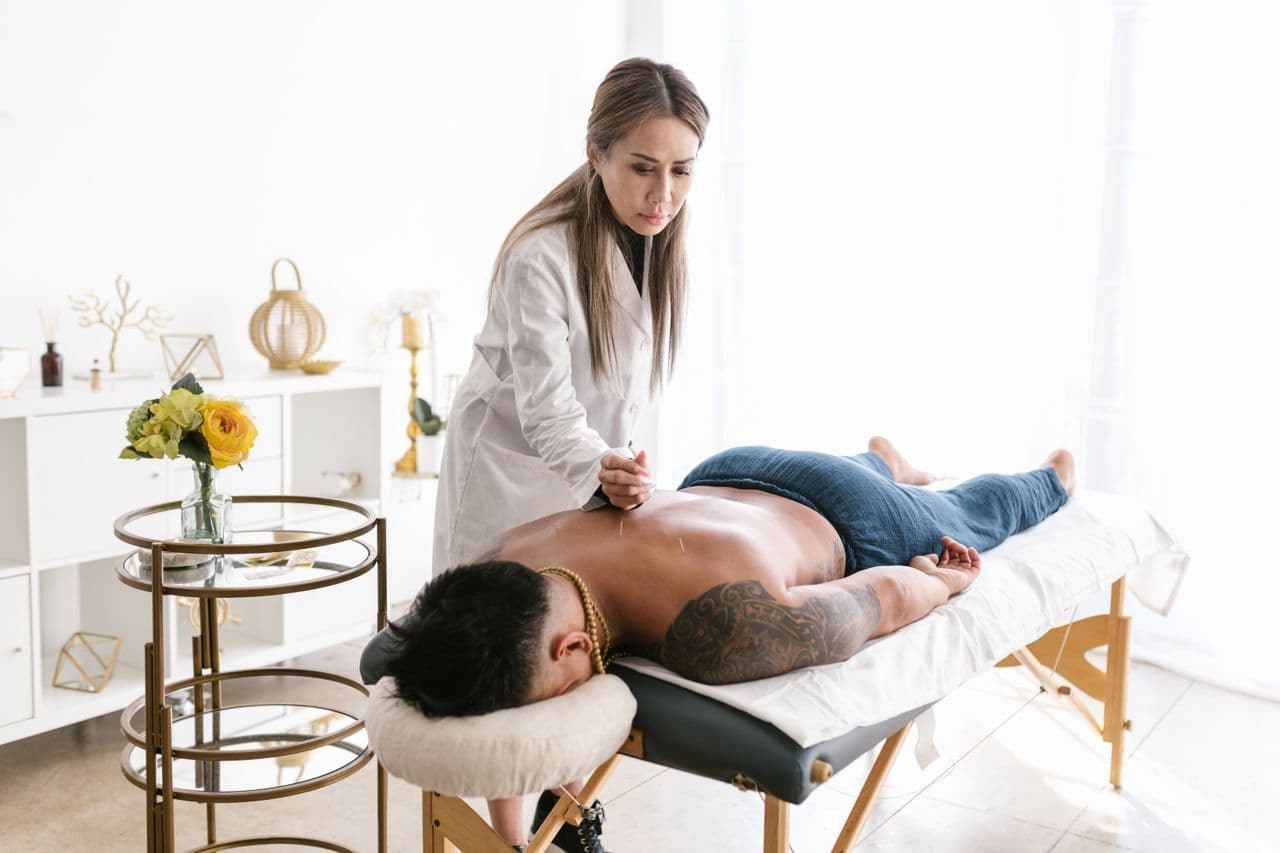
I've been practicing massage therapy for over a decade, and what draws me back every single day is the tangible human impact of this work. From a clinical perspective, I'm fascinated by how the body communicates through tension. Muscle tightness, trigger points, and restricted movement tell a story—they reveal stress patterns, postural habits, past injuries, and how someone moves through the world. Massage allows me to listen to that story and support the body's natural ability to release and heal.
What really convinced me of this modality's value is witnessing the transformation in clients over weeks and months. Someone arrives with chronic lower back pain that's been limiting their life for years; through consistent massage combined with their own stretching and awareness, they gradually regain confidence in their body. Another client dealing with significant stress and burnout finds that regular massage sessions provide the nervous system reset they desperately need—the parasympathetic activation that rest alone hasn't provided.
Practitioners choose this work because it bridges science and intuition. We study anatomy and physiology rigorously, yet we also develop a sensitivity to how tissues feel, how someone breathes, and what their body is asking for. It's deeply satisfying to help someone move more freely, sleep better, and experience less pain. For many of us, this is why we trained in this field: the opportunity to provide real, measurable relief while respecting the body's intelligence.
What Clients Typically Experience
In my practice, I see clients present with remarkably consistent patterns. Someone comes in with chronic back pain that worsens with sitting or standing; they've often been managing this for months or years. Another has morning stiffness that makes getting out of bed difficult. Others describe muscle spasms, limited range of motion, or pain radiating down the leg. These aren't uncommon presentations—they're textbook tension patterns that respond well to targeted massage.
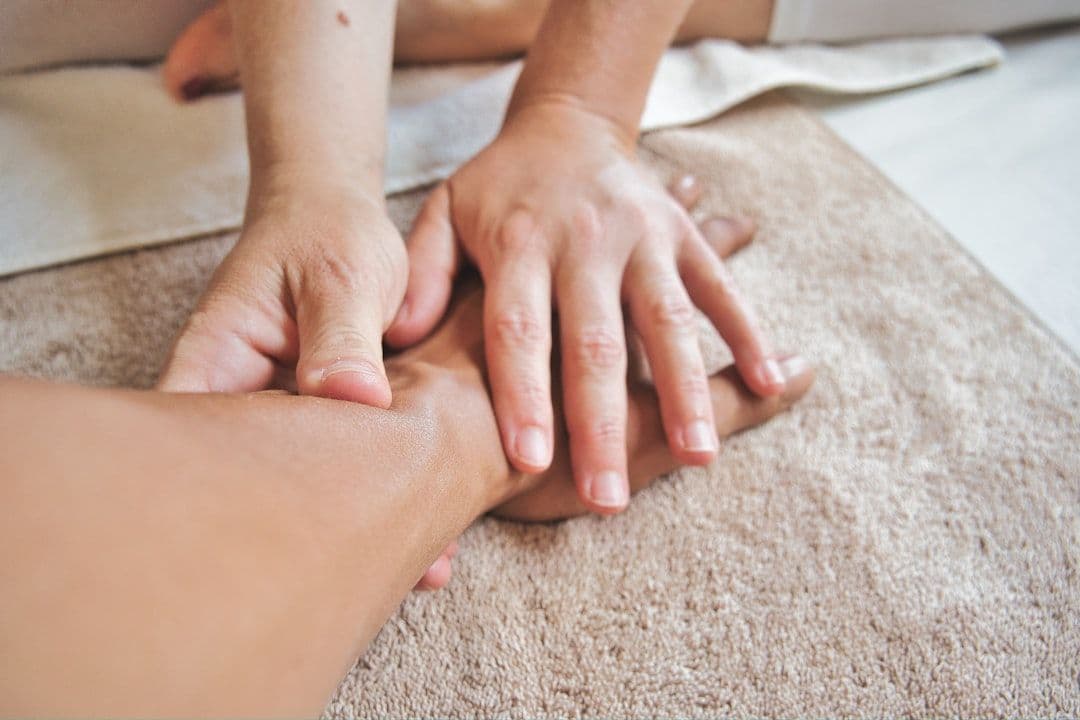
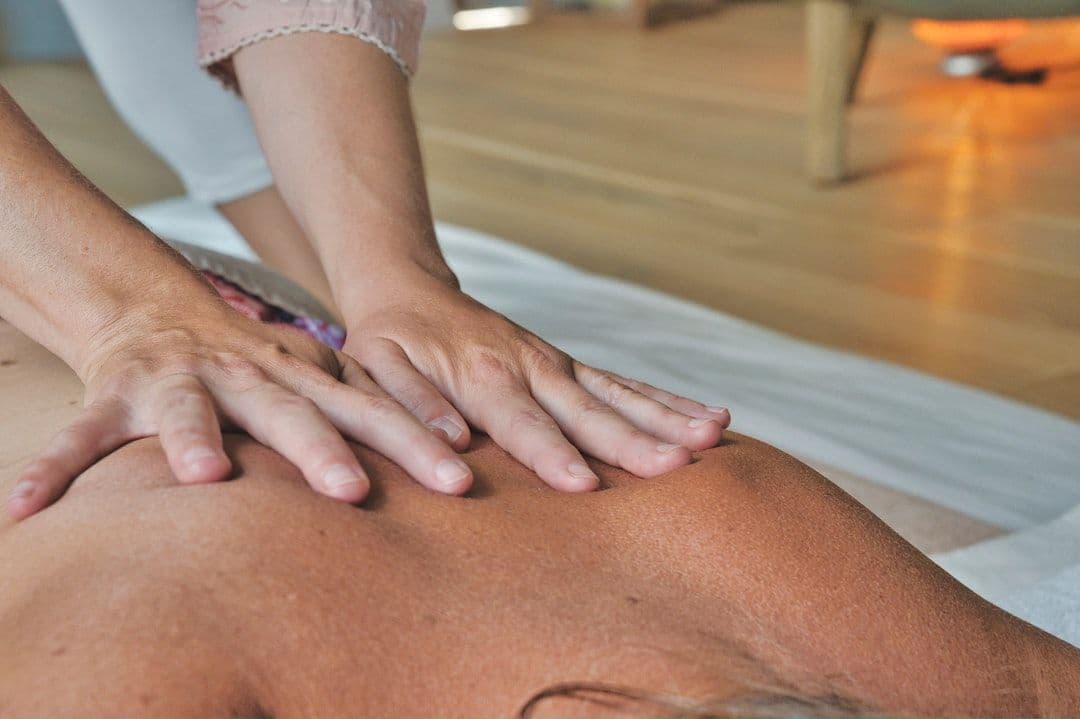
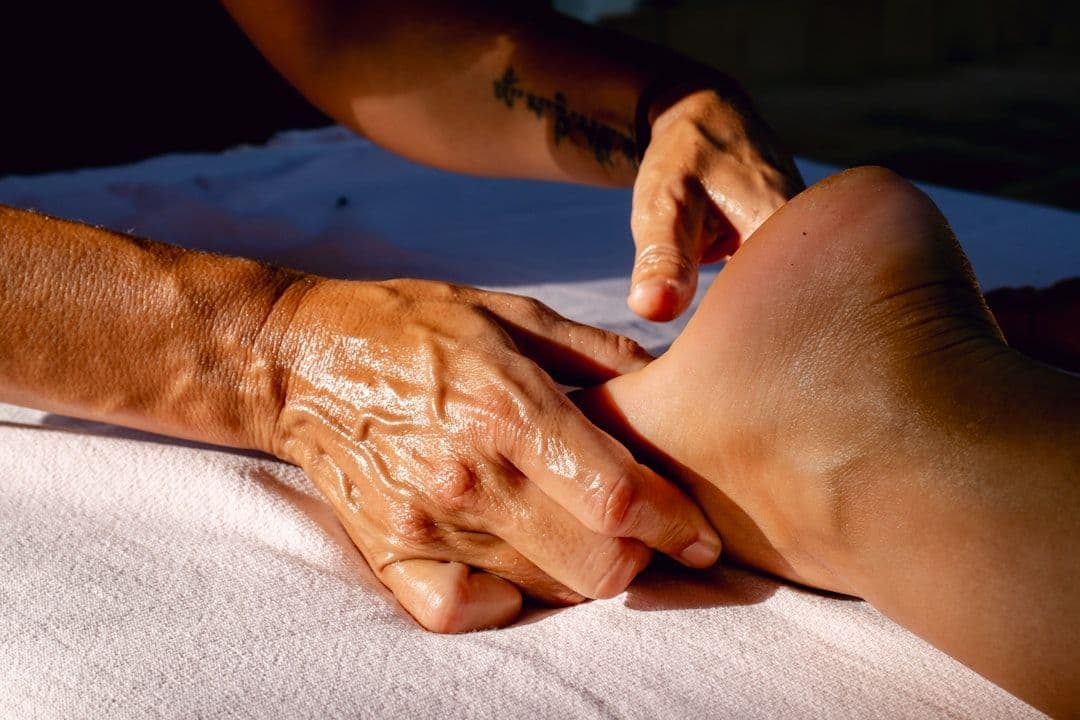
During a session, clients often become aware of tension they didn't consciously register before. Someone might say, 'I didn't realize my shoulders were that tight.' This awareness is actually the beginning of change. As I work with tight muscles, people often feel a release—sometimes a tingling sensation, sometimes a sense of relief, sometimes emotional release. The parasympathetic nervous system activates, breathing slows, and the body enters a genuinely restful state.
After a session, most clients report improved mobility, reduced pain, better sleep, and a sense of mental clarity. Their efficiency increases—they have more energy for daily tasks. Over multiple sessions, these benefits accumulate. The body learns to maintain a more relaxed baseline. People often remark that they feel 'lighter' or 'more like themselves.' What I observe clinically is improved circulation, reduced muscle tenderness, and restored range of motion. For those managing fibromyalgia, arthritis, or chronic pain, regular massage often becomes an essential part of their stability layer—not a cure, but a reliable tool for managing symptoms and improving quality of life.
Common Misconceptions
One major misconception is that massage is purely relaxation—a luxury or indulgence. While relaxation is certainly a benefit, therapeutic massage is clinical work addressing real muscular and nervous system dysfunction. It's not frivolous; it's a legitimate modality with research supporting its use for chronic pain, reduced tension, and improved function. Treating it as clinical support rather than indulgence changes how people approach consistency and investment.
Another misconception is that stronger pressure equals better results. In reality, forcing a release or working too aggressively can trigger protective muscle guarding—the opposite of what we're trying to achieve. Good massage works with the body's intelligence, using appropriate pressure that invites release rather than demanding it. Communication during sessions is crucial because what feels therapeutic to one person might feel too intense for another.
People often assume that one or two sessions will 'fix' their problem. While acute tension can shift in a single session, chronic patterns built over months or years typically require consistent work. Muscles have memory; they've been holding tension for a reason. Real change happens through repeated input—regular sessions where the nervous system learns it's safe to relax, where tissues gradually become more pliable, where movement patterns gradually improve. Patience and consistency matter far more than intensity.
Finally, some believe massage can replace medical diagnosis or treatment. It cannot. Massage supports your health alongside medical care, but serious conditions—fractures, infections, thrombosis, organ dysfunction—require proper medical evaluation and treatment. Massage works best as complementary care, not alternative care.
Advice for First-Timers
If you're considering massage for the first time, here's what I'd want you to know. First, find a practitioner you trust. A good massage therapist listens carefully during your initial consultation, asks thorough health questions, respects your boundaries, and adjusts pressure based on your feedback. Don't feel obligated to undress more than you're comfortable with—good practitioners work around your clothing. Communication during the session is not rude; it's essential. If pressure is uncomfortable, say so immediately.
Second, be honest about your health history. Tell your practitioner about injuries, surgeries, medications, and health conditions. If you've had cancer, blood clots, or are pregnant, this affects the approach. If you're unsure whether massage is safe for your situation, check with your doctor first.
Third, prepare yourself for what you might feel. Muscles releasing tension sometimes feel tender, almost sore. That's typically normal and indicates tight tissue being addressed. However, massage should never be painful—intense, yes, but not painful. You might feel emotional release; sometimes tension holds stress, and as it releases, emotions surface. This is okay. Stay hydrated afterward; your body is processing and clearing tissue waste.
Fourth, understand that results build gradually. One session might feel wonderful, but lasting change comes from consistency. If you're addressing chronic pain or tension, expect to commit to regular sessions over several weeks before judging effectiveness. Many practitioners recommend starting with weekly or bi-weekly sessions, then adjusting based on results.
Finally, manage expectations realistically. Massage may support pain management, reduce tension, and improve function, but it's not a cure. If you have a diagnosed condition, continue medical treatment. Massage works best as part of a comprehensive approach that includes medical care, your own stretching and movement practices, stress management, and lifestyle adjustments.
When to Seek Additional Support
While massage can be incredibly supportive, certain situations require medical evaluation before massage or instead of massage. If you have acute pain that appeared suddenly, especially after an injury, see a doctor first to rule out fractures or serious tissue damage. If you have severe infections, high fever, or open wounds, massage should wait until these are treated. If you've been diagnosed with cancer, thrombosis, or uncontrolled cardiovascular conditions, consult your doctor before seeking massage—you may need specialized practitioners trained in these areas.
For people with chronic pain that hasn't improved despite medical evaluation and treatment, massage can absolutely be part of a supportive strategy, but never in place of continued medical monitoring. If your symptoms worsen during massage or if you develop increased pain, bruising, or unusual reactions, stop immediately and contact your healthcare provider.
Similarly, if massage alone isn't providing the relief or progress you hoped for after several consistent sessions, it might be time to reassess your broader approach. Perhaps you need to add targeted exercise, physical therapy, stress management, or a different complementary modality. A good practitioner will be honest about what massage can and cannot do and will encourage you to work with your healthcare team for comprehensive care.
Remember: massage is complementary, not alternative. It works best alongside medical care, not instead of it. If you have any serious or worsening symptoms, your primary healthcare provider should always be your first point of contact. Once you have medical clearance and a strong practitioner supporting you, massage can become a valuable part of your wellness foundation.