What it is
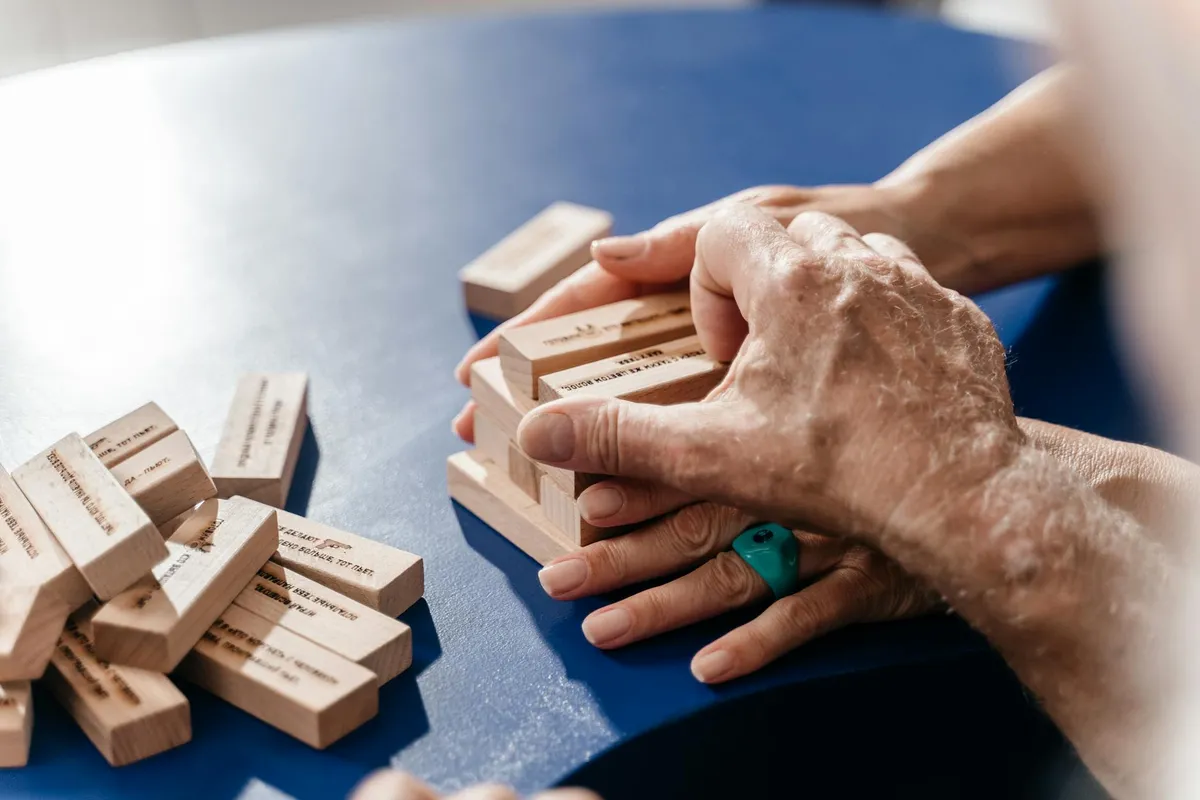
Reduced manual dexterity and fine motor precision, affecting the ability to manipulate small objects or perform detailed hand tasks.
Reduced manual dexterity and fine motor precision, affecting the ability to manipulate small objects or perform detailed hand tasks.
At a glance
What it is
Reduced manual dexterity and fine motor precision, affecting the ability to manipulate small objects or perform detailed hand tasks.
Commonly experienced as
Evidence context
Experiential supportSee the evidence snapshotContext
Loss of dexterity describes a reduction in the fine motor precision and coordination required for skilled hand tasks — buttoning clothing, writing, threading needles, playing instruments, or performing intricate manual work. It reflects impairment at any point in the neural control of fine movement: cortical motor planning (stroke, MS), basal ganglia coordination (Parkinson's disease, where tremor and rigidity combine to impair dexterity), cerebellar fine motor control, peripheral nerve function (carpal tunnel syndrome, peripheral neuropathy), or joint mechanics (arthritis reducing movement precision). Progressive loss of dexterity in an adult without obvious explanation warrants neurological assessment. In children, dexterity difficulties may reflect developmental coordination disorder (DCD/dyspraxia) responding to occupational therapy.
Could this be you
Loss Of Dexterity shows up differently for everyone. Browse by how it tends to be felt — these are common experiences, not a checklist or a diagnosis.
Common experiences people describe — not a diagnostic checklist.
The Evidence
What research and clinical practice say about loss of dexterity — its causes, assessment, and rehabilitation options.
Cause-dependent — professional assessment is essential
Loss of dexterity can arise from many different points in the nervous system or joints, so evidence for management varies by underlying cause. Occupational therapy has strong support for rehabilitation; identifying the cause first is the critical step.
Sudden onset of hand weakness, numbness, or difficulty speaking may indicate stroke and requires emergency assessment without delay. A severe headache unlike any experienced before, seizures, loss of consciousness, or vision changes alongside neurological symptoms are also urgent warning signs. Do not wait to see if these symptoms resolve on their own.
A qualified practitioner can identify whether the cause lies in the brain, spinal cord, peripheral nerves, or joints — each pointing to a different pathway of care. In children, persistent dexterity difficulties may reflect developmental coordination disorder, where early occupational therapy referral is recommended. Self-assessment alone is not sufficient for this symptom.
Occupational therapy has well-supported evidence for improving fine motor function across a range of conditions. Physiotherapy for post-stroke fine motor recovery is also established in clinical literature. Evidence for complementary and holistic approaches to dexterity is more limited and generally studied as adjuncts rather than primary interventions.
Causes range from cortical events such as stroke or multiple sclerosis, to basal ganglia conditions like Parkinson's disease, to peripheral nerve compression such as carpal tunnel syndrome, to joint conditions including arthritis. Each has distinct features and management pathways. Identifying the origin is essential before any rehabilitation or supportive approach is considered.
Some people explore practices such as hand-focused yoga, tai chi, or mindfulness-based movement to support motor engagement and general wellbeing alongside conventional care. Evidence for these as direct interventions for dexterity is limited. They are best considered as supportive additions, discussed openly with the practitioner managing the underlying condition.
Loss of dexterity has a wide range of possible causes, some of which require prompt medical attention. No platform content, self-help resource, or complementary approach can determine the cause or appropriate management pathway for an individual. If dexterity is declining or affecting daily life, professional evaluation is the appropriate first step.
References
Educational sources that inform this overview. Inclusion is for context and does not imply endorsement.
Full citations are maintained by the Gyfts editorial team and reviewed periodically.
Keep exploring
Browse practitioners, explore honest overviews, and take what you learn to a conversation — at your own pace.