What it is
Numbness and tingling in extremities have multiple causes including peripheral neuropathy, nerve entrapment, and B12 deficiency.
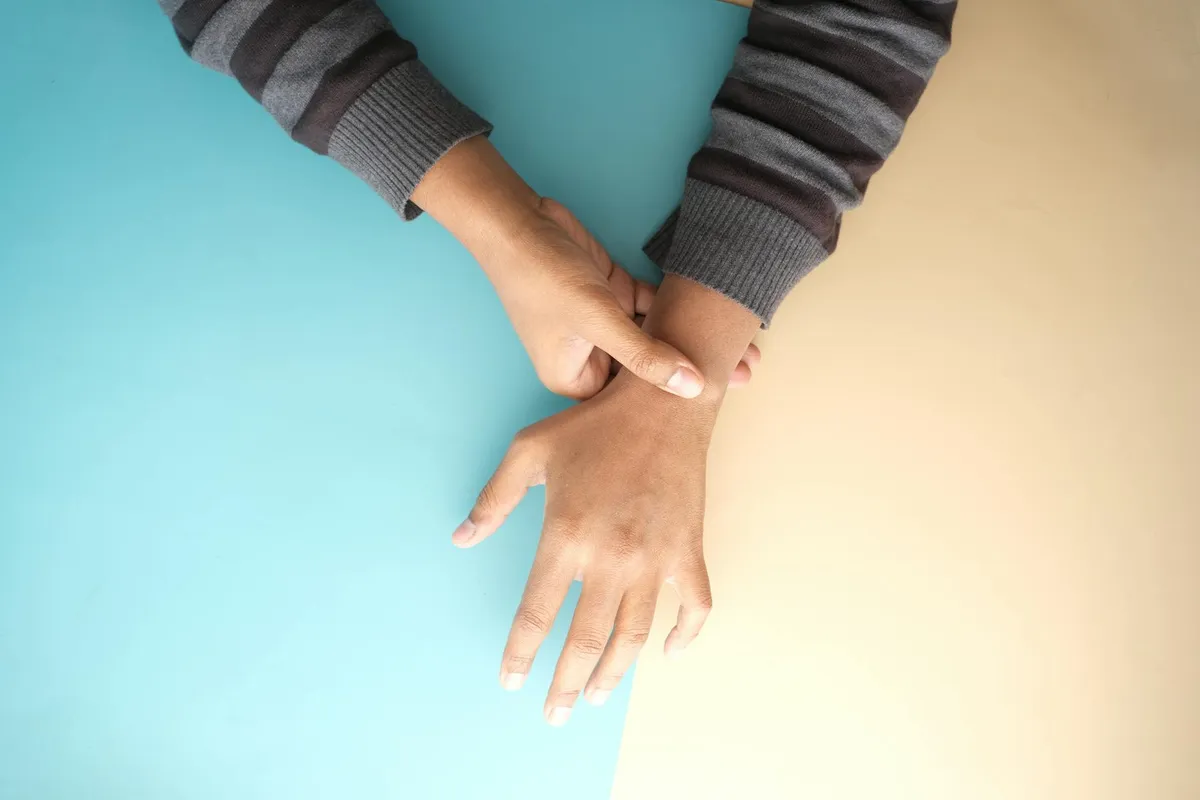
Abnormal sensations including numbness, tingling, burning, or pins and needles in the hands, feet, or other extremities. Commonly associated with peripheral nerve dysfunction and a wide range of systemic and neurological conditions.
At a glance
What it is
Numbness and tingling in extremities have multiple causes including peripheral neuropathy, nerve entrapment, and B12 deficiency.
Commonly experienced as
Evidence context
Emerging evidenceSee the evidence snapshotSafety
See staying safeContext
Numbness and tingling in the extremities describes reduced sensation, prickling, or 'pins and needles' in the hands, feet, or both — a peripheral nervous system symptom reflecting impaired sensory nerve conduction. When bilateral and symmetrical (glove-and-stocking distribution), peripheral neuropathy is the most likely cause — with diabetes (the most common global cause), alcohol excess, vitamin B12 deficiency, chemotherapy, and Guillain-Barré syndrome (acute) among the most important. When unilateral, compressive neuropathy (carpal tunnel, ulnar nerve, radiculopathy) is typically responsible. Central causes (multiple sclerosis, stroke, spinal cord lesion) produce different distribution patterns. The character (burning, prickling, or numb), onset (gradual or sudden), and distribution (glove-and-stocking versus dermatomal versus unilateral) provide the key diagnostic information.
Could this be you
Numbness and Tingling in Extremities shows up differently for everyone. Browse by how it tends to be felt — these are common experiences, not a checklist or a diagnosis.
Common experiences people describe — not a diagnostic checklist.
The Evidence
What research and clinical practice tell us about numbness and tingling in the hands and feet.
A well-studied symptom with causes ranging from simple to serious
Numbness and tingling in the extremities has a broad range of causes — many manageable, some requiring urgent attention. Evidence supports several conventional and complementary approaches depending on the underlying cause.
Sudden one-sided numbness or tingling may indicate stroke and requires emergency evaluation. Numbness accompanied by bladder or bowel changes, facial drooping, or slurred speech also warrants urgent care. Progressive bilateral leg numbness may signal spinal cord involvement. Do not delay assessment for any of these presentations.
Bilateral, symmetrical tingling in a glove-and-stocking pattern points toward peripheral neuropathy — with diabetes, B12 deficiency, and alcohol excess among the most common causes globally. One-sided or dermatomal patterns suggest nerve compression or central causes. Character, onset, and distribution are the key clinical details a practitioner will explore.
Alpha lipoic acid has been studied in multiple randomised controlled trials for diabetic peripheral neuropathy, with promising results. B12 supplementation may support improvement in deficiency-related neuropathy when identified early. Ergonomic intervention and splinting have meaningful research support for carpal tunnel syndrome. Acupuncture for peripheral neuropathy has moderate support across several trials, though study quality varies.
A GP or neurologist can identify whether symptoms reflect a systemic condition such as diabetes or thyroid dysfunction, a nutritional deficiency, nerve compression, or a central nervous system cause. Blood tests, nerve conduction studies, and imaging may be used. Identifying the cause shapes which approaches — conventional or complementary — are appropriate.
Acupuncture is the most researched complementary approach for peripheral neuropathy, with moderate evidence across multiple trials. Alpha lipoic acid, while available as a supplement, has a meaningful evidence base and is used clinically in some countries. Research into complementary approaches for neuropathy is most developed in the context of diabetic and chemotherapy-induced neuropathy.
In Traditional Chinese Medicine, numbness in the extremities is often attributed to Blood deficiency or Wind-Damp Bi syndrome, with acupuncture and Blood-nourishing herbs as primary approaches. Ayurveda frames peripheral tingling as a Vata imbalance, addressed through warm oil massage and adaptogenic support. These frameworks reflect different conceptual models and should be explored with qualified practitioners.
Safety first
General, informational guidance — not diagnostic. A qualified practitioner can advise on your own situation.
Top Practitioners
Practitioners are ranked using relevance, experience signals, reviews, and support-area fit.
Read next
References
Educational sources that inform this overview. Inclusion is for context and does not imply endorsement.
Full citations are maintained by the Gyfts editorial team and reviewed periodically.
Keep exploring
Browse practitioners, explore honest overviews, and take what you learn to a conversation — at your own pace.