What it is
Persistent sadness or empty mood is the core diagnostic feature of major depressive disorder and dysthymia.
A pervasive low or empty mood that persists over an extended period, often described as emotional flatness, hollowness, or a sense that nothing feels meaningful or alive.
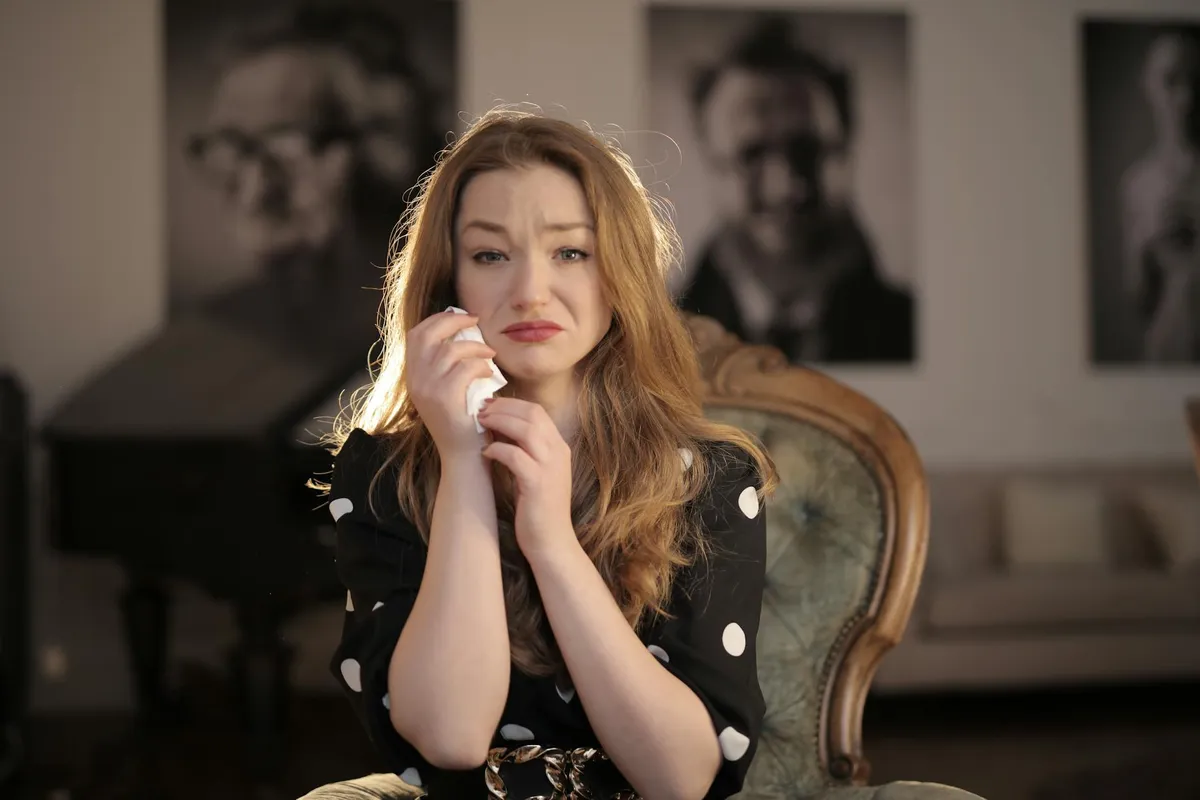
At a glance
What it is
Persistent sadness or empty mood is the core diagnostic feature of major depressive disorder and dysthymia.
Commonly experienced as
Evidence context
Research-supportedSee the evidence snapshotSafety
See staying safeContext
Understanding Persistent Sadness
Persistent sadness or empty mood is characterized by a deep, ongoing sense of unhappiness, hopelessness, or emotional numbness that lasts for weeks or months. Unlike temporary sadness from life events, this symptom represents a sustained shift in emotional state that significantly impacts daily functioning.
How It Manifests
This condition often feels like a heavy weight or void that colors every aspect of life. People may describe feeling detached from joy, finding little pleasure in activities they once enjoyed, or experiencing an overwhelming sense of emptiness. The sadness may feel disproportionate to circumstances or persist long after triggering events have passed.
Impact on Daily Life
Persistent sadness can affect concentration, motivation, relationships, and work performance. It may be accompanied by changes in sleep patterns, appetite, energy levels, and self-worth. This symptom can create a cycle where the inability to function normally reinforces feelings of hopelessness, making recovery feel increasingly difficult without appropriate support.
Could this be you
Persistent sadness or empty mood shows up differently for everyone. Browse by how it tends to be felt — these are common experiences, not a checklist or a diagnosis.
Common experiences people describe — not a diagnostic checklist.
The Evidence
What research and clinical practice say about persistent sadness or empty mood, and when to seek support.
Well-researched symptom with multiple supported approaches
Persistent sadness is a primary feature of several well-studied mood conditions, with strong evidence supporting psychological therapies, exercise, and in some cases light therapy. Early professional assessment is important, particularly when the mood is prolonged or worsening.
Seek immediate support if empty mood is accompanied by suicidal thoughts, an inability to care for yourself or dependants, psychotic features, or a postnatal presentation involving thoughts of harm. These situations require qualified clinical assessment without delay. Do not rely on self-help approaches alone in these circumstances.
Cognitive behavioural therapy and behavioural activation have the strongest research support for depressed mood. Exercise has shown meaningful benefits for low mood in some research, with effects that in certain studies approached those of medication in mild-to-moderate presentations. Light therapy has strong evidence specifically for seasonal patterns of low mood. Evidence quality varies across other approaches.
Using alcohol to regulate mood is associated with worsening depressive episodes and should be avoided. Social withdrawal, while a common response to low mood, tends to deepen and prolong the experience. Awareness of these patterns can support better self-management alongside professional care.
This symptom is a primary feature of major depressive disorder, persistent depressive disorder, bipolar depressive phases, seasonal affective disorder, and burnout, among others. Professional assessment helps clarify the underlying pattern, which matters for choosing the most appropriate support pathway.
Traditional Chinese Medicine associates this mood quality with Heart Blood deficiency and Shen disturbance, sometimes alongside Kidney Yin deficiency, guiding approaches such as acupuncture and herbs aimed at nourishing the Heart and calming the mind. Ayurveda links it to excess Kapha and depleted Ojas, informing Ojas-building practices including diet, rest, and adaptogenic herbs. Neither tradition replaces professional assessment for persistent or severe presentations.
A qualified mental health professional or general practitioner is the appropriate first point of contact for persistent sadness lasting more than two weeks, or sooner if functioning is significantly affected. Complementary and holistic approaches may be used alongside professional care, but should not replace it when mood is severely or persistently impaired.
Safety first
General, informational guidance — not diagnostic. A qualified practitioner can advise on your own situation.
References
Educational sources that inform this overview. Inclusion is for context and does not imply endorsement.
Full citations are maintained by the Gyfts editorial team and reviewed periodically.
Keep exploring
Browse practitioners, explore honest overviews, and take what you learn to a conversation — at your own pace.