What it is
Areas of reddened, inflamed skin forming distinct patches — characteristic of psoriasis, eczema, rosacea, and other inflammatory conditions.
Areas of reddened, inflamed skin forming distinct patches — characteristic of psoriasis, eczema, rosacea, and other inflammatory conditions.
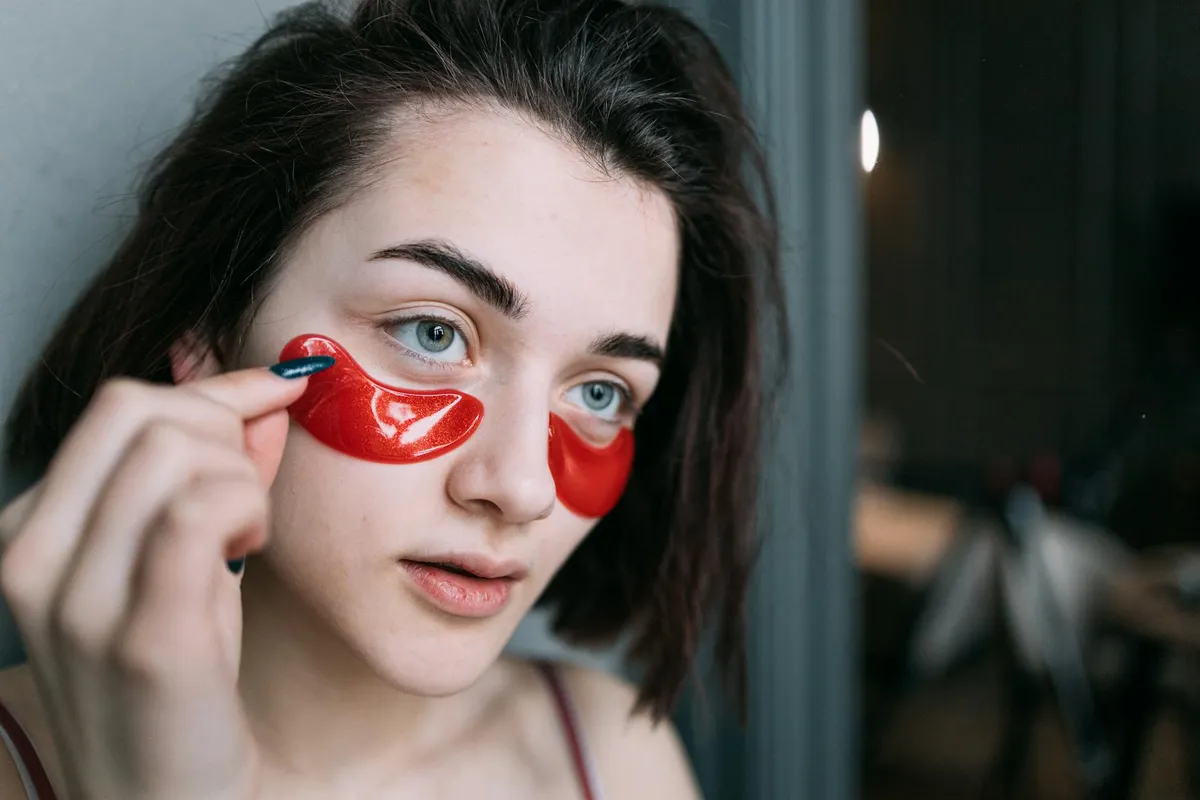
At a glance
What it is
Areas of reddened, inflamed skin forming distinct patches — characteristic of psoriasis, eczema, rosacea, and other inflammatory conditions.
Commonly experienced as
Evidence context
Research-supportedSee the evidence snapshotContext
Red patches describe well-defined areas of erythematous (reddened) skin that are distinct from surrounding normal skin. They are the defining feature of several common dermatological conditions: plaque psoriasis (sharply demarcated raised red patches with silvery scale on elbows, knees, scalp, and lower back), nummular eczema (coin-shaped red patches with vesicles and scale on limbs), rosacea (facial red patches centring on cheeks and nose, with or without pustules), tinea corporis (ringworm — circular red patches with clearing in the centre and active scale at the rim), and seborrhoeic dermatitis (red patches in sebaceous areas). The morphology, distribution, scale characteristics, and associated symptoms distinguish these conditions.
Could this be you
Red Patches shows up differently for everyone. Browse by how it tends to be felt — these are common experiences, not a checklist or a diagnosis.
Common experiences people describe — not a diagnostic checklist.
The Evidence
What research and clinical practice say about red patches on skin — and when to seek professional assessment.
Well-studied symptom with condition-specific care pathways
Red patches are a defining feature of several common skin conditions, each with distinct clinical patterns and evidence-backed management options. Accurate identification of the underlying condition is essential before any care approach is considered.
Seek urgent care if a rash spreads rapidly alongside fever, if a skin lesion changes shape, colour, or size quickly, or if there are signs of skin infection such as increasing warmth, swelling, or pus. A non-healing wound or ulcer in an area of reddened skin also warrants prompt professional review.
Topical corticosteroids have strong evidence for reducing inflammation in conditions such as eczema and psoriasis. Antifungal agents are well-supported for tinea corporis. For moderate-to-severe psoriasis, biologic therapies have robust clinical trial data. The right approach depends entirely on the underlying condition — self-selection without professional assessment carries risk.
Clinicians distinguish between conditions by examining patch shape, border definition, scale type, and body location. Psoriasis typically presents with sharply defined raised patches and silvery scale; rosacea centres on the face; tinea shows a clearing centre with an active scaly rim. These distinctions matter because management differs significantly between conditions.
Some people use moisturising routines, dietary adjustments, or stress management practices alongside conventional care for inflammatory skin conditions. Evidence for complementary approaches varies — some show modest benefit for symptom burden, others have limited data. None replace professional assessment or condition-specific management. A qualified practitioner can help integrate approaches safely.
Persistent, spreading, or changing red patches should be assessed by a GP or dermatologist. Self-managing without professional input risks missing conditions that require specific treatment. If a skin condition is affecting quality of life, mental wellbeing, or daily function, a holistic or integrative practitioner may complement — but not replace — specialist skin care.
This content is for general awareness only. Red patches have multiple possible causes that require professional evaluation to distinguish. No educational resource, app, or self-assessment tool can replace an in-person clinical review. If you are uncertain about a skin change, seek qualified professional input promptly.
References
Educational sources that inform this overview. Inclusion is for context and does not imply endorsement.
Full citations are maintained by the Gyfts editorial team and reviewed periodically.
Keep exploring
Browse practitioners, explore honest overviews, and take what you learn to a conversation — at your own pace.