What it is
Decreased mental acuity due to sleep misalignment.
Decreased mental acuity due to sleep misalignment.
At a glance
What it is
Decreased mental acuity due to sleep misalignment.
Commonly experienced as
Evidence context
Experiential supportSee the evidence snapshotContext
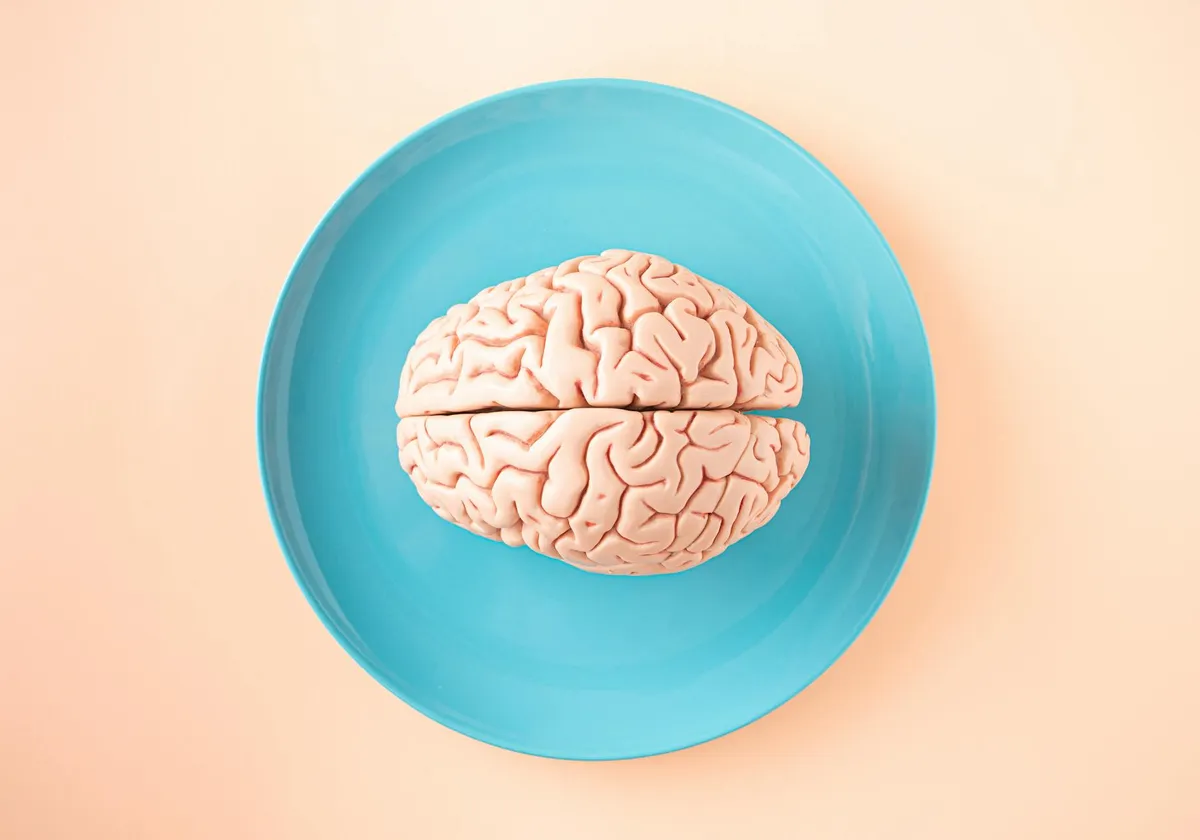
Reduced cognitive performance describes a decline from an individual's typical level of mental functioning — slower processing speed, reduced working memory capacity, impaired verbal fluency, or diminished executive function — that makes cognitively demanding tasks noticeably harder. It differs from global cognitive impairment in being more focal or situational. Common contributors include acute and chronic sleep deprivation (the most reversible cause), nutritional deficiencies, thyroid dysfunction, anaemia, chronic stress, depression, ADHD, medication side effects, and post-viral fatigue syndromes. Cognitive performance shows significant day-to-day variability influenced by sleep quality, hydration, stress level, and time of day — understanding one's optimal performance conditions allows strategic scheduling of demanding cognitive work.
Could this be you
Reduced Cognitive Performance shows up differently for everyone. Browse by how it tends to be felt — these are common experiences, not a checklist or a diagnosis.
Common experiences people describe — not a diagnostic checklist.
The Evidence
What research and clinical practice currently tell us about reduced cognitive performance and the factors that influence it.
Well-studied symptom with multiple reversible contributors
Reduced cognitive performance is one of the most researched areas in health science, yet evidence quality varies widely by cause and intervention. Sleep, nutrition, and stress are among the most consistently supported modifiable factors.
Sudden confusion, disorientation, or rapid decline over days or weeks warrants prompt evaluation. Cognitive changes alongside headache, fever, or neurological symptoms should not be self-managed. Memory loss that affects safety or daily function is not a normal variation and needs professional assessment without delay.
Sleep deprivation's impact on processing speed, working memory, and executive function is among the most robustly documented findings in cognitive science. Evidence for cognitive-behavioural approaches and structured brain-training is promising but more variable, with effect sizes depending heavily on the population studied and outcome measured.
Thyroid dysfunction, anaemia, nutritional deficiencies, and medication side effects are frequently overlooked contributors to reduced cognitive performance. A qualified practitioner can assess these systematically. Post-viral fatigue syndromes are an emerging area where evidence is still developing and clinical guidance is evolving.
Sleep quality, hydration, chronic stress, and time of day each influence cognitive output in well-supported ways. Understanding personal performance patterns can help with scheduling demanding tasks more strategically. These factors do not replace professional assessment but represent a practical starting point for self-awareness.
If reduced cognitive performance is ongoing, worsening, or affecting work and relationships, a qualified practitioner can help identify underlying contributors. Self-directed strategies are most useful for mild, situational difficulties. Persistent symptoms are not a substitute for professional assessment and should not be managed by exploration alone.
Brain-training research shows mixed results when generalised beyond trained tasks. Holistic and complementary approaches to cognitive support often lack large-scale trials. Evidence from one population may not transfer to another. Gyfts content is educational and does not constitute professional assessment or personalised guidance.
References
Educational sources that inform this overview. Inclusion is for context and does not imply endorsement.
Full citations are maintained by the Gyfts editorial team and reviewed periodically.
Keep exploring
Browse practitioners, explore honest overviews, and take what you learn to a conversation — at your own pace.