What it is
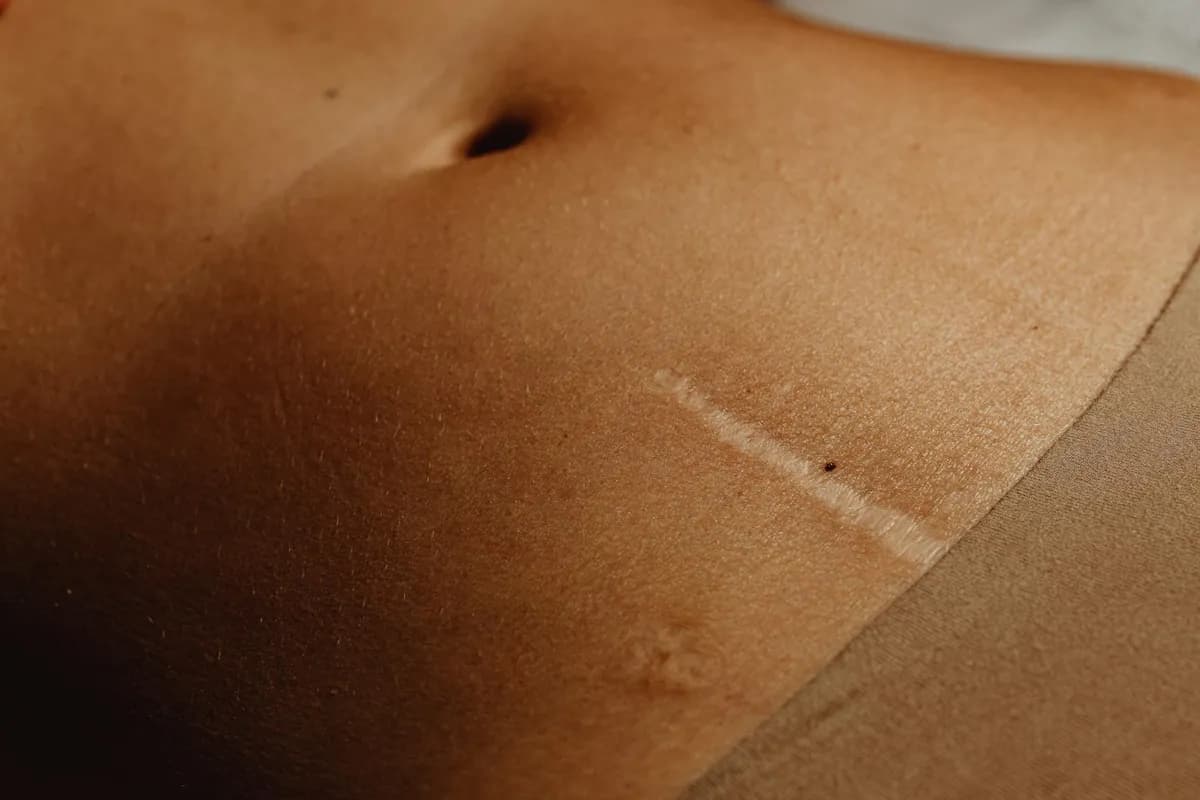
Scarring is the formation of fibrous tissue as part of the wound-healing process, resulting in a visible skin change at the site of injury or inflammation.
Permanent or long-lasting changes in skin texture and appearance that form as part of the natural healing process after injury, surgery, or inflammation.
At a glance
What it is
Scarring is the formation of fibrous tissue as part of the wound-healing process, resulting in a visible skin change at the site of injury or inflammation.
Commonly experienced as
Evidence context
Research-supportedSee the evidence snapshotSafety
See staying safeContext
Scarring occurs when dermal tissue is damaged and repaired through collagen deposition, producing a visible mark that differs in texture, colour, and structure from surrounding skin. Types include hypertrophic scars (raised, within wound margins), keloid scars (raised, extending beyond wound margins, more common in darker skin tones), atrophic scars (depressed, as in acne scarring), and contracture scars (following burns). Factors influencing scar formation include wound depth, infection, genetic predisposition, skin type, age, and wound care quality. Scars may cause physical symptoms including itching, tightness, or pain, and can carry significant psychological impact, particularly when visible.
Could this be you
Scarring shows up differently for everyone. Browse by how it tends to be felt — these are common experiences, not a checklist or a diagnosis.
Common experiences people describe — not a diagnostic checklist.
The Evidence
What the research says about scar formation, management options, and when to seek professional assessment.
Scar management is well-studied, with clear first-line options
Scarring is a normal outcome of dermal repair, but its severity and appearance can be influenced by early intervention and wound care. Evidence-based options exist across medical, complementary, and supportive approaches.
A scar that grows beyond the original wound margin, becomes persistently painful, warm, or ulcerated, or restricts joint movement warrants professional review. Significant psychological distress or body image concerns related to scarring are also important to raise with a qualified practitioner — these are underrecognised and treatable.
Silicone gel sheets and gels have the strongest evidence base for reducing scar thickness and discolouration. Corticosteroid injections are well-supported for hypertrophic and keloid scars. Laser therapy, microneedling, and surgical revision have evidence in specific scar types. Sun protection is consistently recommended to reduce post-inflammatory pigment changes.
Corticosteroid injections are generally avoided in atrophic scar types due to risk of further tissue loss. Laser therapy applied to actively inflamed or infected skin may worsen outcomes. Always confirm scar type and skin condition with a qualified practitioner before selecting an intervention — the wrong approach for the scar type can cause harm.
Rosehip oil, aloe vera, and onion extract formulations have a long history of use and are found in commercial scar products. Evidence for these is limited but generally low-risk. Scar massage — used across many healing traditions — has some support for improving pliability and reducing discomfort. Ayurvedic and TCM-derived topicals have been used historically; robust clinical data remains limited.
Scars — particularly those that are visible or functionally limiting — can carry substantial psychological impact. Psychological support for scar-related distress is increasingly recognised as an important part of comprehensive care, though it remains underutilised. If scarring is affecting wellbeing or daily functioning, raising this with a healthcare provider is appropriate and worthwhile.
Scar type, depth, location, skin tone, and age of the scar all influence which approaches are most appropriate. Early intervention generally produces better outcomes. A dermatologist or plastic surgeon can assess scar type and recommend a tailored plan. Complementary approaches may support comfort and appearance alongside — not instead of — professional care where indicated.
Safety first
General, informational guidance — not diagnostic. A qualified practitioner can advise on your own situation.
Top Practitioners
Practitioners are ranked using relevance, experience signals, reviews, and support-area fit.
References
Educational sources that inform this overview. Inclusion is for context and does not imply endorsement.
Full citations are maintained by the Gyfts editorial team and reviewed periodically.
Keep exploring
Browse practitioners, explore honest overviews, and take what you learn to a conversation — at your own pace.