What It Is
Acne is a common skin condition involving blocked pores, excess oil, and bacteria that leads to spots and inflammation.
Understanding what your skin may be trying to tell you
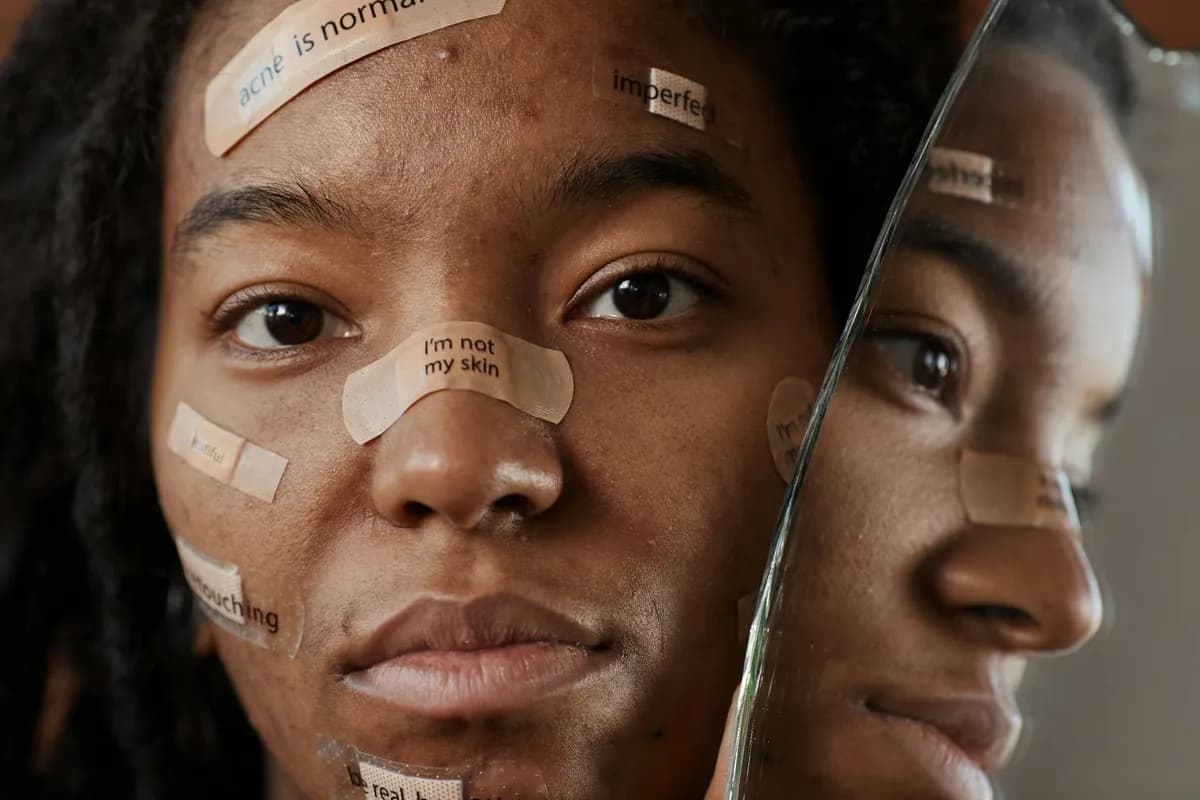
At a glance
What It Is
Acne is a common skin condition involving blocked pores, excess oil, and bacteria that leads to spots and inflammation.
How It Presents
It typically appears as blackheads, whiteheads, pimples, or cysts on the face, back, chest, and shoulders.
What May Help
Diet changes, herbal support, red light therapy, and acupuncture are among the holistic approaches people explore.
Evidence Context
Research into acne is relatively strong, with good evidence supporting certain dietary and light-based interventions.
See the evidence snapshotWhen to Seek Help
See a doctor if acne is severe, causes scarring, spreads rapidly, or comes with fever or signs of infection.
Explanation
Acne is a skin condition involving blocked pores, excess sebum, and bacterial activity, with outcomes influenced by hormones, diet, stress, and gut health. Holistic approaches target internal contributors — including gut microbiome balance, nutritional factors, and stress regulation — alongside topical treatments.
Could this be you
Acne shows up differently for everyone. Browse by how it tends to be felt — these are common experiences, not a checklist or a diagnosis.
Common experiences people describe — not a diagnostic checklist.
Why it happens
Acne usually comes from a mix of factors rather than a single cause. These are common contributors — not certainties.
Genetics, hormonal shifts, and excess sebum production can make pores more prone to blockages and inflammation.
Elevated cortisol from ongoing stress may trigger increased oil production and worsen existing breakouts.
Gut imbalances, dietary patterns high in refined sugars, and microbial changes on the skin may all contribute to acne flares.
Poor or disrupted sleep may influence hormone regulation and inflammatory responses that can affect skin clarity.
What happens in the body
Acne can involve several of the body’s systems. These are common patterns researchers describe — how they show up varies from person to person.
Excess sebum production can combine with dead skin cells to block hair follicles, creating an environment where bacteria may trigger inflammation and lesion formation.
Androgens such as testosterone may stimulate sebaceous glands to overproduce oil, which is why acne often flares during puberty, menstrual cycles, or periods of hormonal shift.
The presence of Cutibacterium acnes within blocked follicles may activate immune responses that drive the redness, swelling, and tenderness characteristic of inflammatory acne lesions.
Elevated cortisol during stress may increase sebum output and promote inflammatory signaling in the skin, potentially contributing to acne flares during high-stress periods.
Process
Management
A doctor may discuss topical retinoids or benzoyl peroxide as standard dermatological options that may help reduce pore blockages and surface bacteria.
For persistent or hormonal acne, a dermatologist may discuss oral antibiotics or hormonal medications such as combined contraceptives or spironolactone.
Some practitioners suggest reducing high-glycemic foods and dairy, as dietary changes may support clearer skin in those with acne linked to diet or gut health.
Red and blue light therapies are explored by some practitioners as non-invasive options that may support reduced inflammation and bacterial activity in acne-prone skin.
Some people find acupuncture and traditional herbal formulas useful as part of a broader approach, particularly when acne appears linked to stress or hormonal fluctuations.
Self-Care
Cleansing twice daily with a mild, non-comedogenic cleanser may help reduce pore blockages without stripping the skin barrier, which some people find worsens breakouts.
Some people find that reducing high-glycemic foods and dairy while increasing vegetables, omega-3-rich fish, and whole foods may support clearer skin over time.
Stress triggers hormonal shifts that can increase sebum production. Practices like breathwork, walking, or meditation may support more balanced skin responses.
Poor sleep may disrupt cortisol and androgen levels, both linked to acne flares. Aiming for seven to nine hours nightly is a foundational self-care step.
Some practitioners suggest a gut-skin connection exists. Incorporating fiber-rich foods and fermented options like yogurt or kefir may support a balanced internal environment.
The Evidence
What research says about integrative approaches to acne, and where the evidence is stronger or still developing.
Acne has meaningful integrative research alongside standard care
Several complementary approaches to acne — including zinc, tea tree oil, and anti-inflammatory nutrition — have reasonable research support. Others, such as herbal and traditional systems, have traditional use but limited controlled trial data.
Zinc supplementation has moderate evidence for reducing acne severity. Tea tree oil has randomised controlled trial support as a topical option. Anti-inflammatory nutrition and gut microbiome support show emerging but not yet conclusive evidence. Most integrative approaches are studied as complements to, not replacements for, dermatological care.
Standard care includes topical and oral medications targeting bacteria, sebum, and inflammation. Integrative approaches are increasingly studied alongside these, particularly for mild to moderate acne. Hormonal contributors may require medical assessment. Persistent, severe, or scarring acne warrants professional dermatological evaluation.
Nutritional therapy targeting low-glycaemic eating and dairy reduction has emerging evidence for acne improvement. Stress regulation addresses the cortisol-sebum link with plausible physiological rationale. Aromatherapy using tea tree oil has the strongest topical evidence among natural options. These approaches work best alongside, not instead of, professional skin care.
TCM and herbal medicine offer frameworks for addressing acne through internal balance and constitutional factors. Evidence from controlled trials is limited, and quality varies across studies. These approaches carry cultural significance and may complement other care, but inflated outcome claims should be viewed critically. Practitioner guidance is advisable.
Seek medical care if you experience rapidly spreading skin infection, fever alongside skin lesions, severe swelling or pain, or persistent open sores. Sudden unexplained skin changes should always be evaluated. Do not stop prescribed dermatological medications without professional guidance. Integrative approaches are not a substitute for professional assessment of serious skin conditions.
Many integrative acne studies are small, short-term, or lack standardised outcome measures. Herbal and traditional approaches often have limited controlled trial data despite long use histories. Individual responses vary considerably. The evidence supports informed exploration alongside professional care, not confident claims about universal outcomes.
Safety first
Acne is manageable, and support helps. Some situations call for prompt professional help.
Explore approaches
Practices people explore for acne — alongside professional care.
Top Practitioners
Practitioners are ranked using relevance, experience signals, reviews, and support-area fit.
FAQ
Some research suggests high-glycemic foods and dairy may influence acne in certain people. Many individuals find that reducing processed sugars and tracking food triggers supports clearer skin over time.
Some practitioners suggest a link between gut microbiome balance and skin inflammation. Supporting digestive health through fiber, fermented foods, and reduced processed food intake is an area of growing interest.
Stress triggers hormonal shifts that may increase sebum production and inflammation. Many people find that consistent stress management practices — like sleep, movement, and mindfulness — support more stable skin.
For mild to moderate acne, lifestyle and holistic approaches may offer meaningful support. Persistent, painful, or scarring acne often benefits from professional dermatological care alongside any complementary strategies.
Consult a doctor or dermatologist if your acne is severe, causing scarring, not responding to over-the-counter options, or significantly affecting your confidence and daily life.
Keep exploring
Browse practitioners, explore honest overviews, and take what you learn to a conversation — at your own pace.
