What it is
Later-than-expected development of speech — the ability to produce words and sentences emerging behind typical milestones.
Later-than-expected development of speech — the ability to produce words and sentences emerging behind typical milestones.
At a glance
What it is
Later-than-expected development of speech — the ability to produce words and sentences emerging behind typical milestones.
Commonly experienced as
Evidence context
Research-supportedSee the evidence snapshotContext
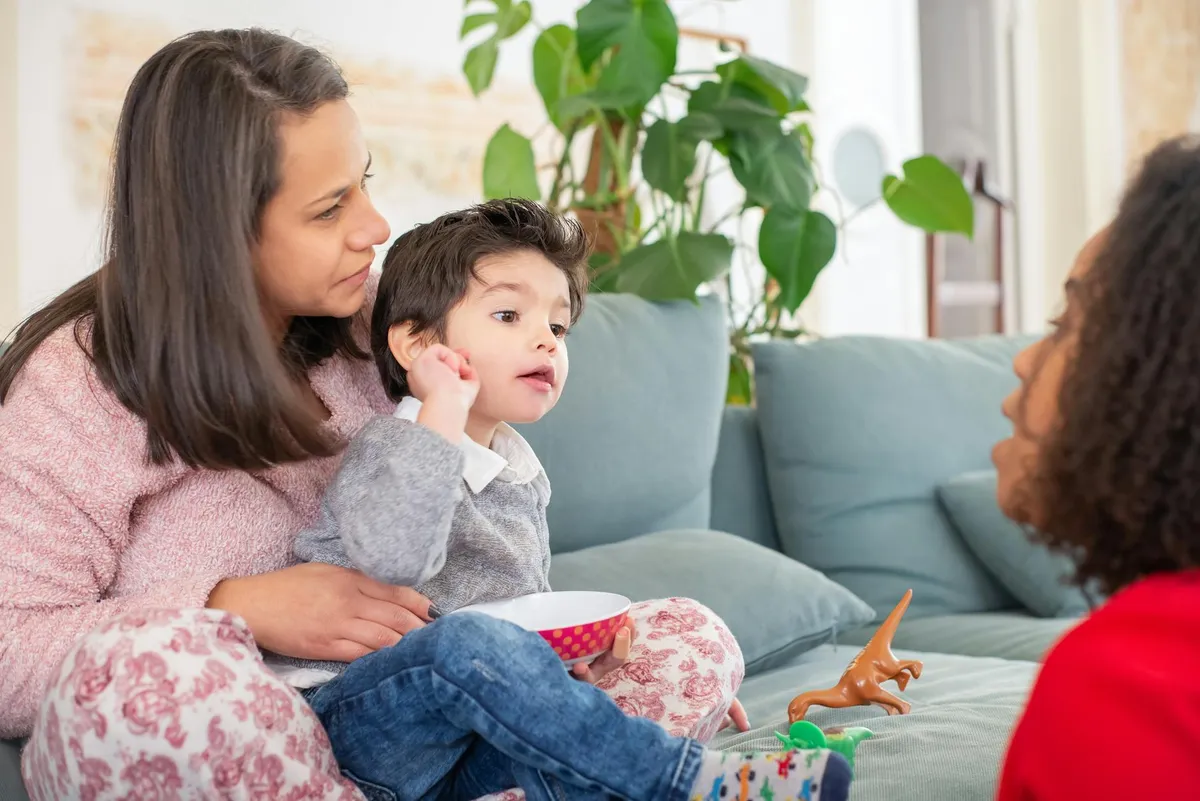
Speech delay describes a pattern in which a child's development of verbal language falls significantly behind age-expected milestones. Normal speech development milestones include first words by 12 months, two-word combinations by 18–24 months, and short sentences by 24–36 months — with significant individual variation. Speech delay may be isolated (primary speech delay, responding well to speech therapy) or one feature of a broader developmental profile including autism (where communication differences include speech delay and qualitative differences in language use), global developmental delay, hearing impairment (the most important to exclude first), or specific language impairment. Early identification and intervention have the strongest evidence for improving long-term speech and language outcomes.
Could this be you
Speech Delay shows up differently for everyone. Browse by how it tends to be felt — these are common experiences, not a checklist or a diagnosis.
Common experiences people describe — not a diagnostic checklist.
The Evidence
What research and clinical practice tell us about speech delay — and why early action matters most.
Early identification and intervention improve long-term outcomes
Speech delay is well-studied, and early speech-language therapy has strong evidence for improving outcomes. The most important first step is ruling out hearing loss, which is a common and treatable underlying cause.
Sudden onset of speech difficulty, weakness, or numbness may indicate a stroke and requires emergency care. Seizures, loss of consciousness, or the worst headache ever experienced are also urgent warning signs. Do not wait — contact emergency services immediately if any of these occur.
A paediatrician or family doctor should be the first point of contact. Hearing assessment is a priority, as hearing impairment is a leading and treatable cause. A speech-language pathologist can then assess the nature and extent of the delay and guide next steps.
Early speech and language therapy is supported by strong evidence across a range of delay profiles. When hearing loss is identified as the cause, hearing aids or cochlear implants also have very strong evidence for improving language development. Earlier intervention consistently produces better long-term results.
Speech delay may be a standalone finding that responds well to therapy, or it may be one feature of autism, global developmental delay, or specific language impairment. Identifying the underlying profile shapes the most effective support plan. Professional assessment is needed to distinguish between these possibilities.
Approaches such as music therapy, play-based learning, and family-centred communication strategies are sometimes used alongside speech-language therapy. Evidence for these as standalone interventions is limited, but they may support engagement and wellbeing. They should complement, not replace, professional assessment and therapy.
This content is for educational purposes only. Speech delay involves a wide range of possible causes and profiles that require qualified professional evaluation. Gyfts does not assess, profile, or provide clinical guidance. If you have concerns about a child's speech development, please consult a qualified health professional promptly.
References
Educational sources that inform this overview. Inclusion is for context and does not imply endorsement.
Full citations are maintained by the Gyfts editorial team and reviewed periodically.
Keep exploring
Browse practitioners, explore honest overviews, and take what you learn to a conversation — at your own pace.