What it is
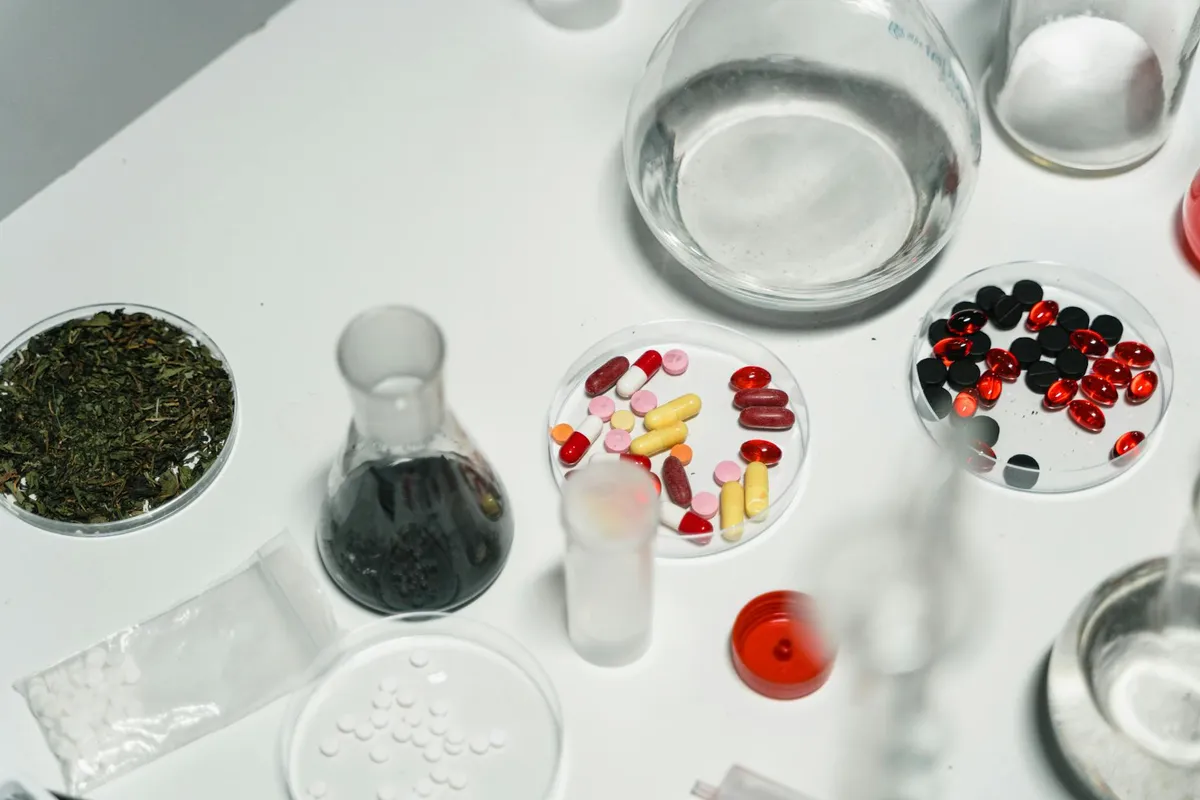
Substance use describes the consumption of psychoactive substances — including alcohol, tobacco, cannabis, opioids, stimulants, or other drugs — which may range from low-risk recreational use to harmful use or dependence.
The use of psychoactive substances including alcohol, cannabis, tobacco, opioids, or stimulants — ranging from low-risk to harmful use or dependence.
At a glance
What it is
Substance use describes the consumption of psychoactive substances — including alcohol, tobacco, cannabis, opioids, stimulants, or other drugs — which may range from low-risk recreational use to harmful use or dependence.
Commonly experienced as
Evidence context
Research-supportedSee the evidence snapshotSafety
See staying safeContext
Substance use spans a spectrum from occasional, low-risk use to harmful use (causing health, social, or occupational harm without dependence) to substance use disorder (characterised by compulsive use, tolerance, withdrawal, and loss of control). Commonly used substances include alcohol, tobacco/nicotine, cannabis, opioids (prescription and illicit), stimulants (cocaine, amphetamines, MDMA), sedatives (benzodiazepines), and psychedelics. Substance use is associated with a broad range of physical and mental health consequences depending on substance, route of administration, frequency, and individual vulnerability. Polysubstance use (use of multiple substances) is common and increases risk complexity. Social, economic, trauma, and genetic factors all influence use patterns. Harm reduction — reducing risks without requiring abstinence — is an evidence-based public health approach.
Could this be you
Substance Use shows up differently for everyone. Browse by how it tends to be felt — these are common experiences, not a checklist or a diagnosis.
Common experiences people describe — not a diagnostic checklist.
The evidence
An honest read on how Substance Use has been studied — an evidence tier and the research behind it, not a guarantee and not a ranking of “better.”
Among the more studied approaches
NICE and WHO guidelines recommend screening (AUDIT for alcohol, DAST for other drugs), brief intervention, and referral to treatment (SBIRT model).
Safety first
General, informational guidance — not diagnostic. A qualified practitioner can advise on your own situation.
Top Practitioners
Practitioners are ranked using relevance, experience signals, reviews, and support-area fit.
References
Educational sources that inform this overview. Inclusion is for context and does not imply endorsement.
Full citations are maintained by the Gyfts editorial team and reviewed periodically.
Keep exploring
Browse practitioners, explore honest overviews, and take what you learn to a conversation — at your own pace.