What it is
A pulsating sensation often felt on one side of the head.
A pulsating sensation often felt on one side of the head.
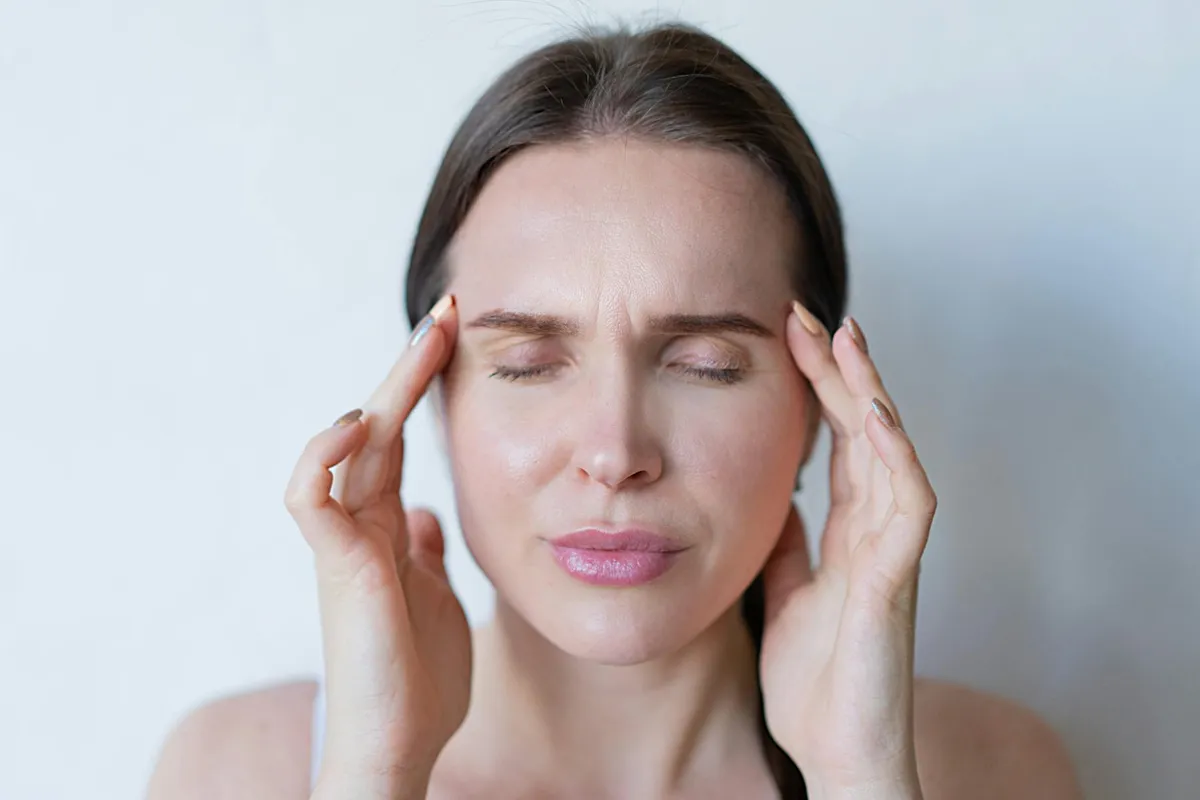
At a glance
What it is
A pulsating sensation often felt on one side of the head.
Commonly experienced as
Evidence context
Emerging evidenceSee the evidence snapshotContext
Throbbing head pain describes a pulsatile, rhythmically intensifying head pain that corresponds with the heartbeat — a quality strongly associated with migraine and other vascular headache types. The throbbing reflects the expansion of cranial vessels with each cardiac cycle in a sensitised state, where normal vascular pulsation becomes painful through meningeal sensitisation. Throbbing head pain is typically unilateral in classic migraine, often located at the temple, behind the eye, or at the back of the head, and is worsened by physical activity and movement. Alongside photophobia, phonophobia, and nausea, throbbing is one of the five diagnostic criteria for migraine. Distinguishing throbbing from non-throbbing (pressing, tightening) head pain helps determine migraine versus tension headache as the primary diagnosis.
Could this be you
Throbbing Head Pain shows up differently for everyone. Browse by how it tends to be felt — these are common experiences, not a checklist or a diagnosis.
Common experiences people describe — not a diagnostic checklist.
The Evidence
What research and clinical practice say about throbbing head pain and the approaches used to support it.
Well-studied symptom with established clinical pathways
Throbbing head pain, particularly in migraine, is one of the more researched headache presentations. Evidence supports several conventional and complementary approaches for frequency and intensity reduction, though individual responses vary.
Sudden, severe head pain with no clear cause, pain accompanied by fever, progressive worsening over days, or pain alongside numbness, tingling, or loss of function are all signals to seek prompt medical attention. These patterns may indicate conditions requiring urgent evaluation. Do not attempt to self-manage these presentations.
Migraine-associated throbbing pain is well characterised in clinical literature, with established links to meningeal sensitisation and vascular pulsation. Evidence for pharmacological approaches is strong. Evidence for complementary approaches — including mindfulness, dietary adjustment, and certain supplements — is moderate and growing, though study quality varies.
Pulsating pain quality is one of five criteria used in international headache classification to identify migraine. Distinguishing throbbing from pressing or tightening pain helps clinicians differentiate migraine from tension-type headache. Accurate characterisation of pain quality supports more targeted management decisions.
Mindfulness-based stress reduction, biofeedback, and dietary trigger identification have shown potential in reducing migraine frequency in some studies. These approaches are generally considered adjuncts to, not substitutes for, professional assessment and care. Evidence quality varies and individual responses differ meaningfully.
People managing recurrent throbbing head pain often benefit from a combination of professional medical care, lifestyle review, and evidence-informed complementary support. Keeping a headache diary to track frequency, duration, and potential triggers can be a useful starting point for any consultation.
If throbbing head pain is frequent, disabling, or changing in character, a qualified health professional should be consulted. Self-guided approaches are not a substitute for professional assessment. A practitioner can help identify underlying patterns and recommend a management plan suited to your situation.
References
Educational sources that inform this overview. Inclusion is for context and does not imply endorsement.
Full citations are maintained by the Gyfts editorial team and reviewed periodically.
Keep exploring
Browse practitioners, explore honest overviews, and take what you learn to a conversation — at your own pace.