What it is
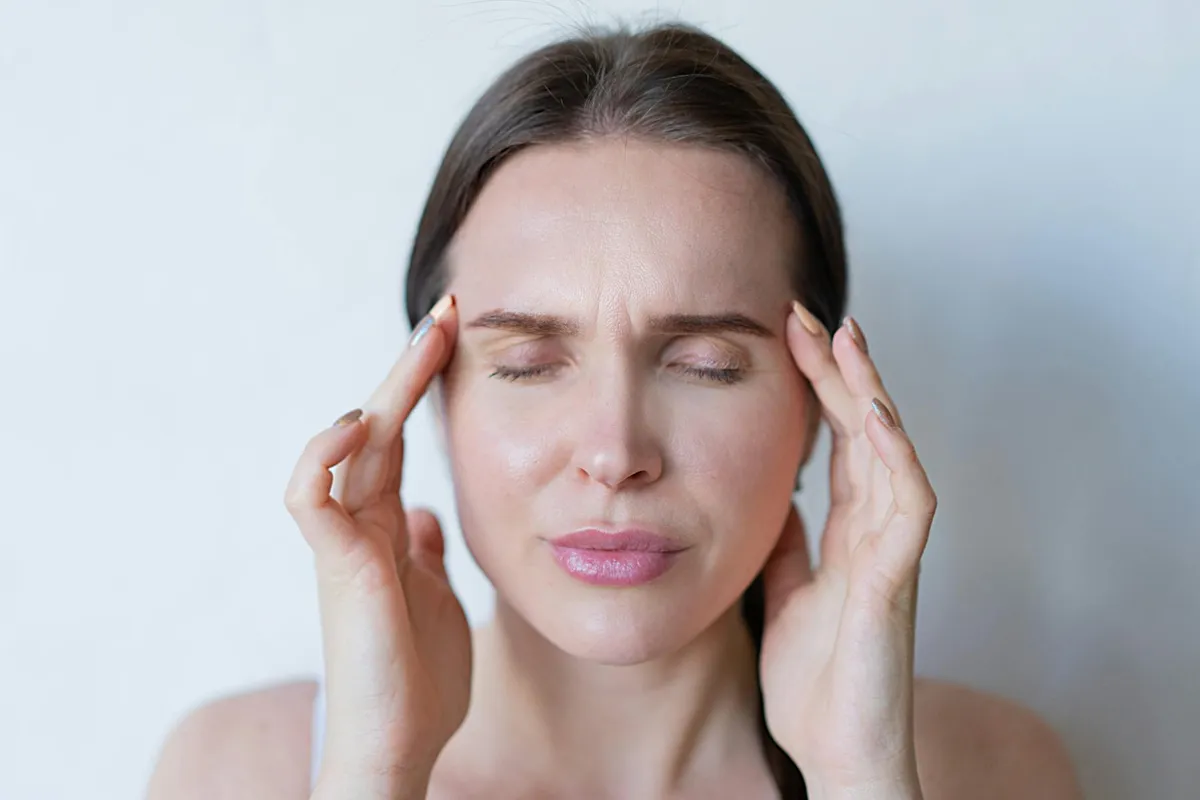
A pulsating pain often felt on one side of the head.
A pulsating pain often felt on one side of the head.
At a glance
What it is
A pulsating pain often felt on one side of the head.
Commonly experienced as
Evidence context
Emerging evidenceSee the evidence snapshotContext
A throbbing headache describes pain that pulsates rhythmically with the heartbeat — a characteristic quality strongly associated with migraine and vascular headache types. The throbbing quality arises from the distension and contraction of blood vessel walls with each cardiac cycle, which in migraine is perceived as intensely painful due to the sensitised meningeal and cranial vasculature. Throbbing is most intense at the site of maximum pain — commonly unilateral in migraine (one temple, behind one eye, or at the back of the head). Movement and physical activity typically worsen throbbing headache by increasing cranial pulse pressure. Distinguishing throbbing headache from non-throbbing (pressing, tightening) headache is part of migraine diagnosis, though mixed patterns occur in those with both migraine and tension headache.
Could this be you
Throbbing Headache shows up differently for everyone. Browse by how it tends to be felt — these are common experiences, not a checklist or a diagnosis.
Common experiences people describe — not a diagnostic checklist.
The Evidence
What research and clinical practice say about throbbing headache — and when to seek professional assessment.
Well-characterised symptom with clear red flags to know
Throbbing headache is a recognised feature of migraine and vascular headache types, with a solid body of clinical research behind it. Some complementary approaches show modest supporting evidence, but professional assessment matters — especially when warning signs are present.
Seek emergency care if a headache is the most severe you have ever experienced, comes on suddenly, or is accompanied by numbness, weakness, speech difficulty, or vision changes. Seizures or loss of consciousness alongside headache are also urgent warning signs. These patterns may indicate serious conditions requiring prompt professional assessment.
The pulsating quality of throbbing headache is a recognised diagnostic feature in migraine research and clinical guidelines. Evidence for conventional migraine management is substantial. Evidence for complementary approaches — such as mindfulness, hydration, and certain lifestyle factors — is more limited but generally supportive of their role alongside professional care.
Throbbing pain is thought to arise from the distension and contraction of blood vessel walls with each heartbeat, perceived as painful when meningeal and cranial vasculature is sensitised. Physical activity typically worsens it by increasing cranial pulse pressure. Mixed headache patterns — combining throbbing and pressing qualities — are common in people who experience both migraine and tension headache.
Hydration, rest in a quiet dark environment, and stress management are widely recommended supportive measures. Mindfulness-based practices have some evidence for reducing headache frequency and intensity over time. These approaches are best understood as supportive rather than standalone — a qualified practitioner can help identify what is driving your headaches and guide appropriate care.
If throbbing headaches are frequent, disabling, or changing in character, a healthcare professional should be consulted. Self-managing without assessment may delay identification of underlying factors. Complementary practitioners can support wellbeing alongside — not instead of — professional evaluation, particularly for recurring or complex headache patterns.
This content is intended to support awareness and informed decision-making. It cannot identify the cause of your headaches, rule out serious conditions, or guide personal treatment decisions. Evidence for many complementary approaches remains limited or preliminary. Always consult a qualified health professional for persistent, severe, or changing headache symptoms.
References
Educational sources that inform this overview. Inclusion is for context and does not imply endorsement.
Full citations are maintained by the Gyfts editorial team and reviewed periodically.
Keep exploring
Browse practitioners, explore honest overviews, and take what you learn to a conversation — at your own pace.