What it is
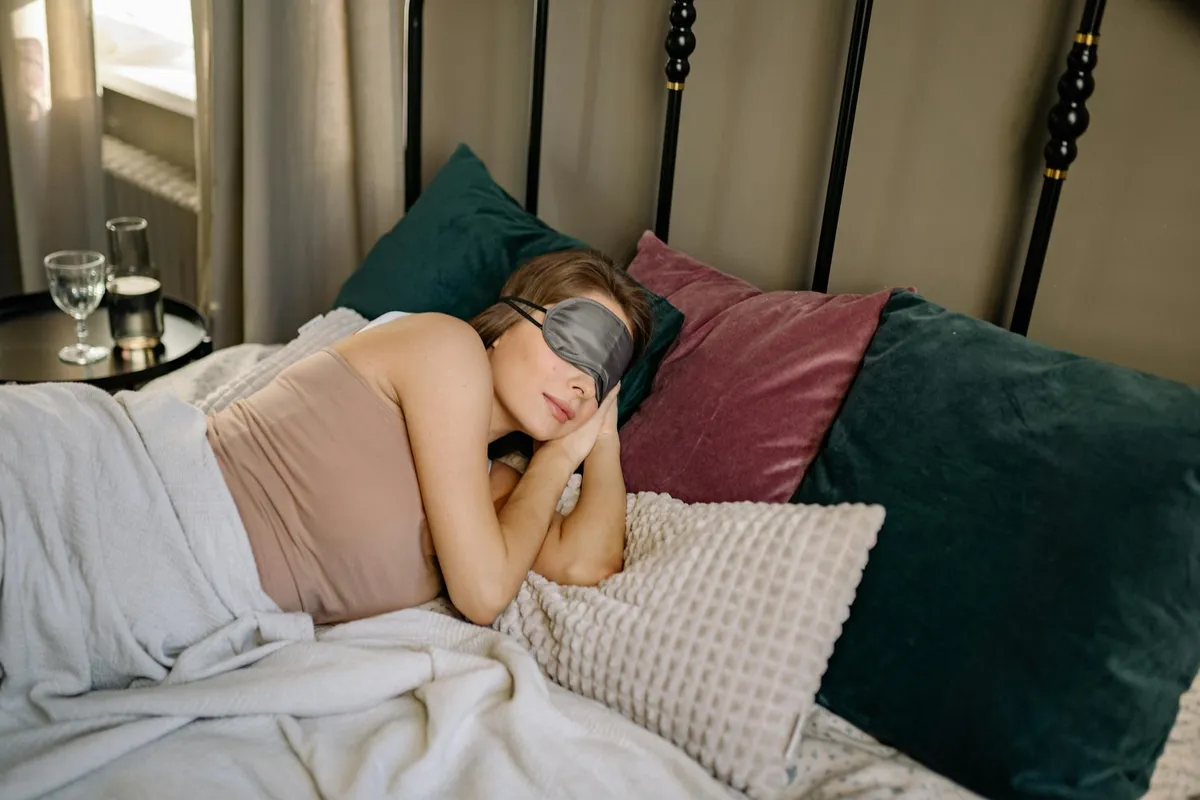
Unrefreshing sleep describes sleep that fails to restore energy or alertness despite adequate duration — waking feeling as tired as before sleeping.
Sleep that does not restore energy, leaving the person feeling unrefreshed, exhausted, or cognitively foggy upon waking regardless of how long they slept.
At a glance
What it is
Unrefreshing sleep describes sleep that fails to restore energy or alertness despite adequate duration — waking feeling as tired as before sleeping.
Commonly experienced as
Evidence context
Emerging evidenceSee the evidence snapshotSafety
See staying safeContext
Unrefreshing sleep is a qualitatively distinct complaint from insufficient sleep — the individual may sleep seven to nine hours or more but wake feeling as though they have not slept at all. It is a hallmark and diagnostic criterion of myalgic encephalomyelitis/chronic fatigue syndrome (ME/CFS), where it occurs alongside post-exertional malaise and cognitive dysfunction. It is also prominent in fibromyalgia, obstructive sleep apnoea (where sleep architecture is fragmented by apnoeic events despite apparent duration), depression, and primary hypersomnia. The underlying mechanism may involve disruption of slow-wave (restorative) sleep, autonomic dysregulation, or inflammatory processes affecting sleep quality rather than quantity.
Could this be you
Unrefreshing Sleep shows up differently for everyone. Browse by how it tends to be felt — these are common experiences, not a checklist or a diagnosis.
Common experiences people describe — not a diagnostic checklist.
The Evidence
What research and clinical practice currently say about unrefreshing sleep — and where the evidence is still developing.
A recognised symptom with condition-specific explanations
Unrefreshing sleep is well-documented across several conditions, with the strongest evidence linking it to sleep apnoea, ME/CFS, and fibromyalgia. Effective approaches depend heavily on identifying the underlying cause, and self-management without assessment carries real risks.
Loud snoring or witnessed breathing pauses during sleep suggest obstructive sleep apnoea and warrant formal assessment. Unrefreshing sleep alongside post-exertional malaise and cognitive difficulties may indicate ME/CFS. Profound daytime sleepiness with sudden muscle weakness could point to narcolepsy. Each of these requires professional evaluation before any intervention is considered.
CPAP therapy has strong evidence for improving sleep quality in obstructive sleep apnoea, including the unrefreshing quality of sleep. In fibromyalgia, low-dose tricyclic antidepressants show modest benefit for sleep quality. In ME/CFS, no pharmacological approach has demonstrated reliable reversal of unrefreshing sleep; energy management and sleep hygiene remain the primary strategies.
Graded exercise therapy is contraindicated in confirmed ME/CFS and may worsen unrefreshing sleep and overall function. Stimulant medications should not be used without a thorough professional assessment. Assuming unrefreshing sleep is simply a lifestyle issue risks missing a serious underlying condition that requires specific management.
Polysomnography can identify alpha wave intrusion into slow-wave sleep, reduced deep sleep stages, and apnoeic events — all of which can produce unrefreshing sleep despite normal sleep duration. Clinicians also assess for hypothyroidism, anaemia, autonomic dysfunction, and mood disorders, as these are common and treatable contributors.
In Traditional Chinese Medicine, unrefreshing sleep may reflect depletion of kidney jing or heart-blood deficiency. Ayurvedic frameworks link it to low ojas and disrupted digestive fire. Supportive practices — including adaptogenic herbs such as ashwagandha or reishi, calming evening routines, and oil self-massage — are used to support overnight restoration. Evidence for these approaches in this specific symptom is limited.
A GP or sleep specialist is the appropriate first point of contact, particularly if red flag features are present. ME/CFS specialists, sleep medicine clinics, and rheumatologists may be relevant depending on the clinical picture. Complementary and holistic practitioners can play a supportive role alongside — not instead of — professional assessment for an unexplained or persistent symptom like this.
Safety first
General, informational guidance — not diagnostic. A qualified practitioner can advise on your own situation.
References
Educational sources that inform this overview. Inclusion is for context and does not imply endorsement.
Full citations are maintained by the Gyfts editorial team and reviewed periodically.
Keep exploring
Browse practitioners, explore honest overviews, and take what you learn to a conversation — at your own pace.