What it is
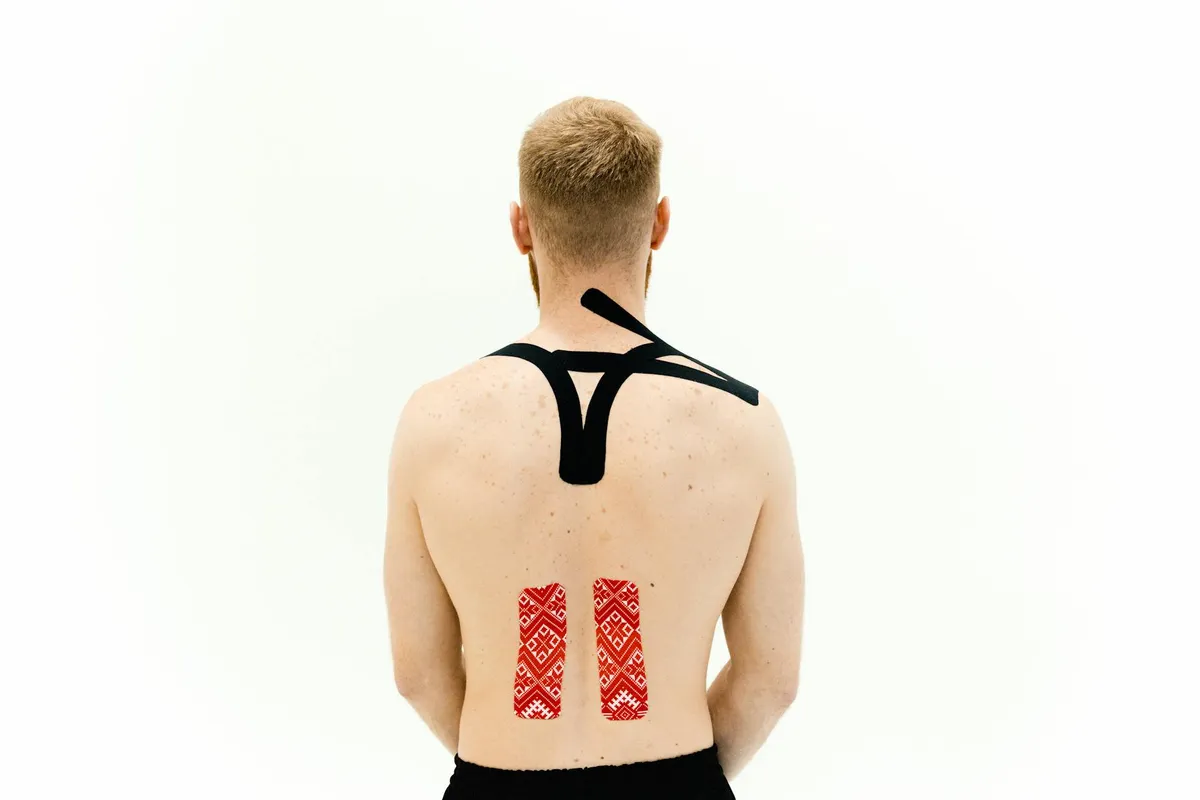
A feeling of tightness or tension in the upper back area.
A feeling of tightness or tension in the upper back area.
At a glance
What it is
A feeling of tightness or tension in the upper back area.
Commonly experienced as
Evidence context
Emerging evidenceSee the evidence snapshotContext
Upper back tightness describes a sensation of restriction, tension, or discomfort in the thoracic spine and surrounding musculature — the mid-back between the shoulder blades and below the neck. It is among the most common musculoskeletal complaints associated with sedentary, desk-based work and is driven primarily by sustained forward shoulder and head posture, which loads the thoracic extensor muscles and facet joints. The rhomboids, lower trapezius, and thoracic erector spinae are typically the primary affected muscles. Upper back tightness often accompanies neck pain, shoulder tension, and headaches as part of a wider postural tension complex. Thoracic mobility exercises, chest opening stretches, strengthening of the scapular retractors, and ergonomic correction address the primary contributing factors effectively.
Could this be you
Upper Back Tightness shows up differently for everyone. Browse by how it tends to be felt — these are common experiences, not a checklist or a diagnosis.
Common experiences people describe — not a diagnostic checklist.
The Evidence
What research and clinical practice say about upper back tightness and the approaches used to address it.
Well-understood pattern with practical, supported solutions
Upper back tightness is one of the most common musculoskeletal complaints, particularly in desk-based populations. Physical therapy, targeted stretching, and postural correction have a solid evidence base for reducing symptoms and improving function.
Seek prompt care if tightness follows a fall or trauma, is accompanied by progressive weakness or loss of function, or involves joint swelling with redness and heat. Sudden inability to move normally or bear weight is also a reason to seek professional assessment without delay. These presentations go beyond typical postural tension and need qualified evaluation.
Moderate-quality evidence supports physical therapy, thoracic mobility exercises, and scapular strengthening for reducing upper back tightness, particularly in desk-based populations. Ergonomic correction addressing sustained forward posture is also well-supported. Evidence for some complementary approaches is more limited, though they may offer useful adjunct support for some individuals.
Clinically, upper back tightness is most often associated with prolonged forward head and shoulder posture, which loads the thoracic extensor muscles and facet joints. The rhomboids, lower trapezius, and thoracic erectors are commonly involved. It frequently co-occurs with neck pain, shoulder tension, and headaches as part of a broader postural tension pattern.
Physiotherapy, remedial massage, and targeted exercise programmes are among the most commonly used and evidence-supported approaches. Yoga and Pilates may support thoracic mobility and postural awareness. Ergonomic review of workstation setup addresses a primary contributing factor. A qualified practitioner can help identify which combination is most appropriate for your situation.
If upper back tightness persists beyond a few weeks, worsens despite self-care, or is accompanied by other symptoms such as radiating pain or breathlessness, professional assessment is recommended. A physiotherapist, GP, or musculoskeletal specialist can help rule out contributing factors and guide an appropriate management plan. Self-directed approaches work best alongside, not instead of, qualified input where needed.
The information here is educational and does not constitute a personal assessment of your upper back tightness. Individual causes, severity, and appropriate approaches vary considerably. Gyfts does not replace professional evaluation, and nothing here should be used as the sole basis for health decisions. If you are unsure about your symptoms, consult a qualified health professional.
References
Educational sources that inform this overview. Inclusion is for context and does not imply endorsement.
Full citations are maintained by the Gyfts editorial team and reviewed periodically.
Keep exploring
Browse practitioners, explore honest overviews, and take what you learn to a conversation — at your own pace.