Athletic Recovery Program
Structured holistic support for the recovering athlete
This page covers a specific Sports Therapy offering. Practitioners and organizations appear only when they offer this exact support option, not simply Sports Therapy in general.
Treatment Principles
Overview of Athletic Recovery Program
What is the Athletic Recovery Program?
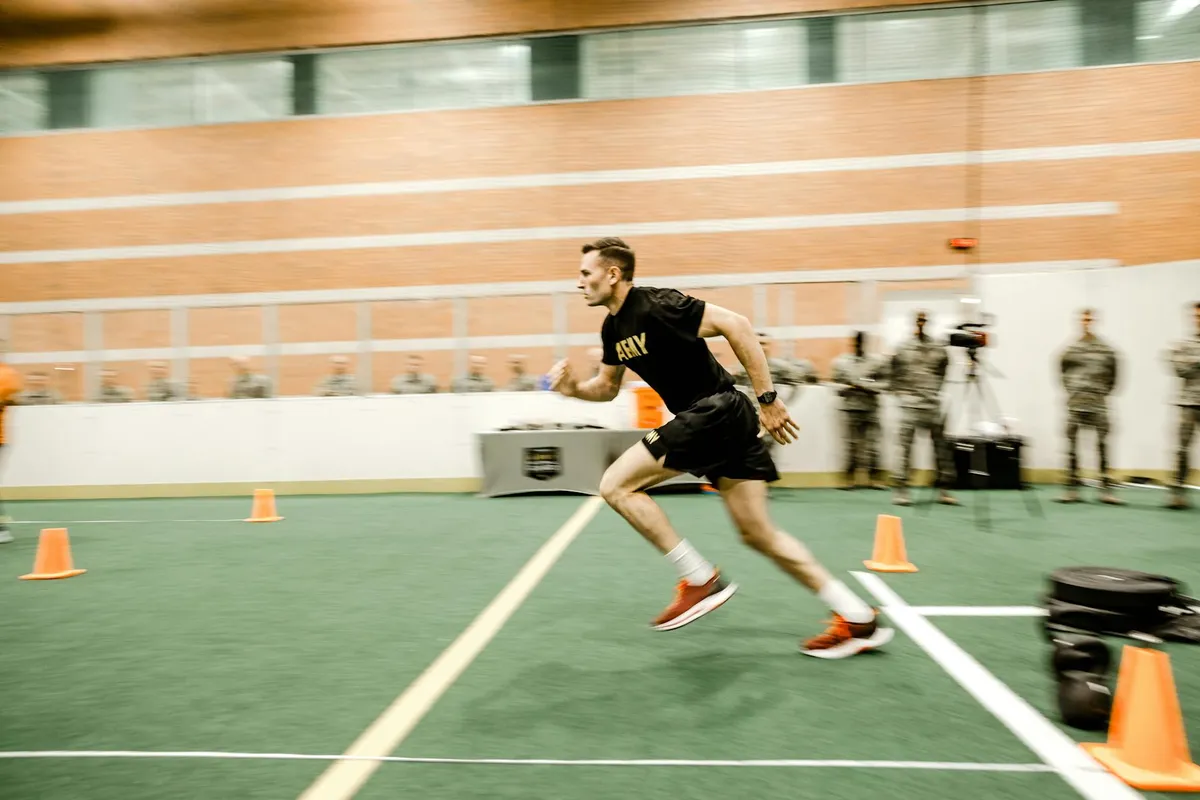
The Athletic Recovery Program is a multi-session, holistic offering that supports the recovery, rest, and everyday wellbeing that active people and athletes rely on between efforts.
Rather than focusing on any single technique, it takes a whole-person view of recovery — weaving together relaxation, gentle mobility, and lifestyle reflection so rest feels as intentional as training.
How the program may support you
Active bodies need real recovery, and many people describe structured rest and relaxation as a helpful complement to their training.
Participants may explore practices that support:
- relaxation and easing everyday muscle tension
- rest, sleep, and a sense of restoration between sessions
- gentle mobility and general movement wellbeing
- the mental side of training, including focus and calm
What to expect
Sessions are calm and unhurried. Your practitioner may guide relaxation, breathing, and gentle mobility practices, and reflect with you on rest, routine, and recovery habits.
You remain in control of your pace, and any practice can be adjusted or skipped to fit how your body feels that day.
How a series unfolds
The program builds over several sessions, often beginning with foundational relaxation and mobility before exploring how to weave recovery into a training week.
Many people find that returning to the same practices over time helps rest feel more deliberate and easier to prioritize.
Principles and approach
The approach is holistic, gentle, and complementary. It supports everyday recovery and wellbeing and does not diagnose, treat, or rehabilitate any injury.
Working within your comfort is central, so recovery feels genuinely restorative rather than like another demand.
How to know whether it is right for you
This program may suit you if you are active or training and want to explore relaxation, gentle mobility, and better rest as a complement to your routine.
It is a complementary practice, not sports medicine, physiotherapy, or injury rehabilitation. For any injury, pain, or medical concern, please see a doctor, physiotherapist, or sports-medicine professional, and let your practitioner know so practices can be adapted gently.
Formats compared
Different experiences
These come in several formats. None is “better” — they suit different people and circumstances.
One-to-one program
- Setting
- All
- Typically
- 45–60 min
- May suit
- People who want recovery guidance tailored to their sport.
Online sessions
- Setting
- Online
- Typically
- 45–60 min
- May suit
- People who prefer to train and recover from their own base.
Who explores this
What people explore it for
Why people explore this. Not a claim of effectiveness.
Proposed benefits
What people and the tradition describe
Benefits proposed by the tradition and reported by people who explore this — described experiences, not clinically established outcomes. Evidence is limited and individual responses vary.
Support for active recovery
A structured approach some athletes use to support recovery between training and events.
Practical recovery habits
Guidance on rest, mobility, and routine that can support how your body recovers.
Readiness and consistency
A supportive way to build consistent recovery habits around your training.
A tailored, gradual plan
A multi-session approach shaped around your sport, goals, and schedule.
For you?
Is this right for you?
A simple, human way to weigh it up. This is general guidance, not personal medical advice — a qualified practitioner can advise on your situation.
- An Athletic Recovery Program may be well suited to recreational and competitive athletes who feel their current recovery practices are not keeping pace with their training demands.
- This includes endurance athletes, team sport participants, gym-based exercisers, and those returning to regular physical activity after a period of reduced training.
- Individuals who experience persistent muscle fatigue, tension that accumulates across training weeks, disrupted sleep related to physical exertion, or a general sense of not feeling restored between sessions may find this kind of structured support beneficial.
- It may also appeal to those who are curious about a more holistic, whole-person approach to recovery and want dedicated time and guidance rather than managing recovery in an ad hoc way.
- Athletes who are open to lifestyle-level reflection — including sleep, stress, and nutrition as recovery factors — alongside hands-on or movement-based support are likely to engage most productively with this program format.
- This program may not be the most appropriate primary support option for individuals dealing with acute injuries, undiagnosed pain, post-surgical recovery, or conditions requiring medical management.
- In these cases, working directly with a licensed medical professional or physiotherapist should take priority.
- Athletes with complex chronic health conditions — including cardiovascular conditions, inflammatory joint disorders, or conditions affecting skin integrity — should seek medical clearance before beginning any new hands-on or movement-based program and should inform their practitioner fully.
- Those seeking a quick, single-session fix or who are not able to commit to a multi-session program over several weeks may find the format less practical.
- Similarly, individuals who hold strong expectations of guaranteed performance improvement or injury prevention should be aware that this is a complementary support pathway and outcomes are not guaranteed.
- Managing expectations and viewing this as one part of a broader health and performance strategy is encouraged.
Gyfts is a discovery platform, not a medical provider. Nothing here diagnoses, treats or replaces professional care. In an emergency, contact your local emergency number.
Evidence & tradition
Evidence and tradition in context
What research says about Athletic Recovery Program, where the evidence is limited, and how it fits within a broader wellbeing picture.
The current evidence base is insufficient to draw firm conclusions
While individual modalities that may be incorporated, such as massage therapy, soft tissue work, or breathwork, have been the subject of some research, the evidence for these modalities individually is itself variable in quality and consi…
What the research showsHow strong the current research is, and where it remains limited, inconsistent, or inconclusive.
The evidence base for Athletic Recovery Programs as a holistic, multi-modal care pathway is currently considered insufficient. While individual modalities that may be incorporated — such as massage therapy, soft tissue work, or breathwork — have been the subject of some research, the evidence for these modalities individually is itself variable in quality and consistency. There is limited high-quality research examining structured multi-session, integrative recovery programs as a whole intervention. Some smaller studies and practitioner-reported outcomes suggest that regular soft tissue therapy and structured recovery practices may support perceived muscle soreness, subjective fatigue, and mood in physically active individuals. However, methodological limitations — including small sample sizes, lack of control groups, heterogeneous populations, and difficulty standardizing multi-modal programs — make it difficult to draw firm conclusions. It is important for prospective seekers to understand that 'insufficient evidence' does not mean the support option is ineffective; rather, it reflects that rigorous, large-scale research has not yet been conducted in this specific area. Individuals are encouraged to discuss this support option alongside their broader health and training team, and to approach it as a complementary pathway rather than a replacement for evidence-based medical or sports science care.
Ancient roots and traditionThe traditions and history this practice draws on, offering meaningful context that is distinct from clinical evidence.
Structured athletic recovery support has roots in the training practices of elite sports cultures worldwide. Throughout the twentieth century, Eastern European and Soviet sports programs pioneered the integration of massage, hydrotherapy, and physical therapy into athlete preparation and recovery cycles — recognizing that performance capacity is inseparable from how well the body restores itself between efforts. Over time, these principles entered mainstream sports medicine and gradually expanded into the complementary and holistic health space. Practitioners began drawing on a broader toolkit — including bodywork traditions, breathwork disciplines, and movement therapies — to create recovery-focused programs accessible beyond elite sport. Today, Athletic Recovery Programs exist at the intersection of sports science principles and holistic care philosophy, offered by practitioners who view recovery as a whole-person process deserving dedicated, structured attention.
Safety and when to seek guidanceGenerally low risk for most people, though some situations call for professional guidance first.
Take particular care if you have an injury that needs medical or physiotherapy assessment first; a health professional has advised against certain activity for your situation; sharp or worsening pain, swelling, or loss of function, which need assessment before continuing; any practitioner who encourages training through a significant injury. Any serious or persistent health concern should be evaluated by a licensed healthcare provider, alongside rather than in place of professional care.
Limitations to keep in mindIndividual responses vary, and inflated outcome claims are common, so a balanced view matters.
A limited or developing evidence base does not mean an experience holds no value, but it does mean outcomes cannot be promised. Be cautious of anyone guaranteeing results, and treat personal reports as context rather than proof of effectiveness.
FAQ
Common questions
Is a Athletic Recovery Program medical treatment?
No. Gyfts is a discovery platform, not a medical provider. This is presented as an educational support option — it is not medical advice, diagnosis, or treatment, and it does not replace care from a qualified professional. In an emergency, contact your local emergency number.
How is an Athletic Recovery Program different from a one-off sports massage?
A single sports massage session addresses immediate tension or soreness in isolation, whereas an Athletic Recovery Program is a structured, multi-session pathway designed to support recovery progressively over time. The program includes intake assessment, sequenced sessions, and often between-session guidance — making it a more intentional and sustained approach. Some practitioners suggest this continuity may support more meaningful outcomes than individual sessions, though individual responses vary.
Do I need to be a competitive athlete to benefit from this program?
Not at all — this type of program may be suitable for anyone with a regular physical activity practice who feels their recovery needs more structured attention. Recreational runners, gym-goers, cyclists, and those returning to exercise after a break may all find value in a holistic recovery program. The approach is typically adapted to the individual's training level, lifestyle, and specific recovery goals.
Is this program safe to do alongside my existing training plan?
For most generally healthy, active individuals, a complementary recovery program is designed to work alongside — not instead of — existing training. Sessions are typically scheduled to align with training load so that hands-on or movement-based recovery support occurs at appropriate points in the training cycle. It is always advisable to inform both your coach and your recovery practitioner of each other's involvement so that your overall program is well coordinated.
Guided wellbeing journey
Start a guided wellbeing journey
No specific guided journey is linked to this Support Option yet, but you can explore the available journeys.
Educational only. Not a diagnosis or medical assessment.
View available journeysCommonly explored alongside
People commonly explore these areas also
Reasons people explore this — a complementary practice used alongside conventional care, not a replacement, and not conditions this treats.
People often explore the Athletic Recovery Program for relaxation, rest, and gentle mobility between efforts — as a complementary practice used alongside conventional sports-medicine and physiotherapy care, not a replacement for it.
Recovery and resilience3 areas
Movement and readiness3 areas
Rest and mindset3 areas
Related modalities1 area
Shown only where an explicit relationship exists.
Explore next
Related sessions & formats
Neighbouring experiences people often consider alongside this one.
Read a little further
Related guides


References
Evidence & Research
Educational sources that inform this overview. Inclusion is for context and does not imply endorsement.
- 1The effect of caffeine on subsequent sleep: A systematic review and meta-analysis
- 2The Effectiveness of Post-exercise Stretching in Short-Term and Delayed Recovery of Strength, Range of Motion and Delayed Onset Muscle Soreness: A Systematic Review and Meta-Analysis of Randomized Controlled Trials
- 3Nutritional Strategies for Optimizing Health, Sports Performance, and Recovery for Female Athletes and Other Physically Active Women: A Systematic Review
- 4Athlete's Mental Health and Quality of Life After Sports Injuries
- 5Exercise as Medicine for Addiction Recovery
- 6Holistic Performance Programming for mTBI Recovery in U.S. Military Tactical Athletes: A Narrative Review
Full citations are maintained by the Gyfts editorial team and reviewed periodically.