Sleep Restoration Program
Rediscover deep, restorative sleep — naturally
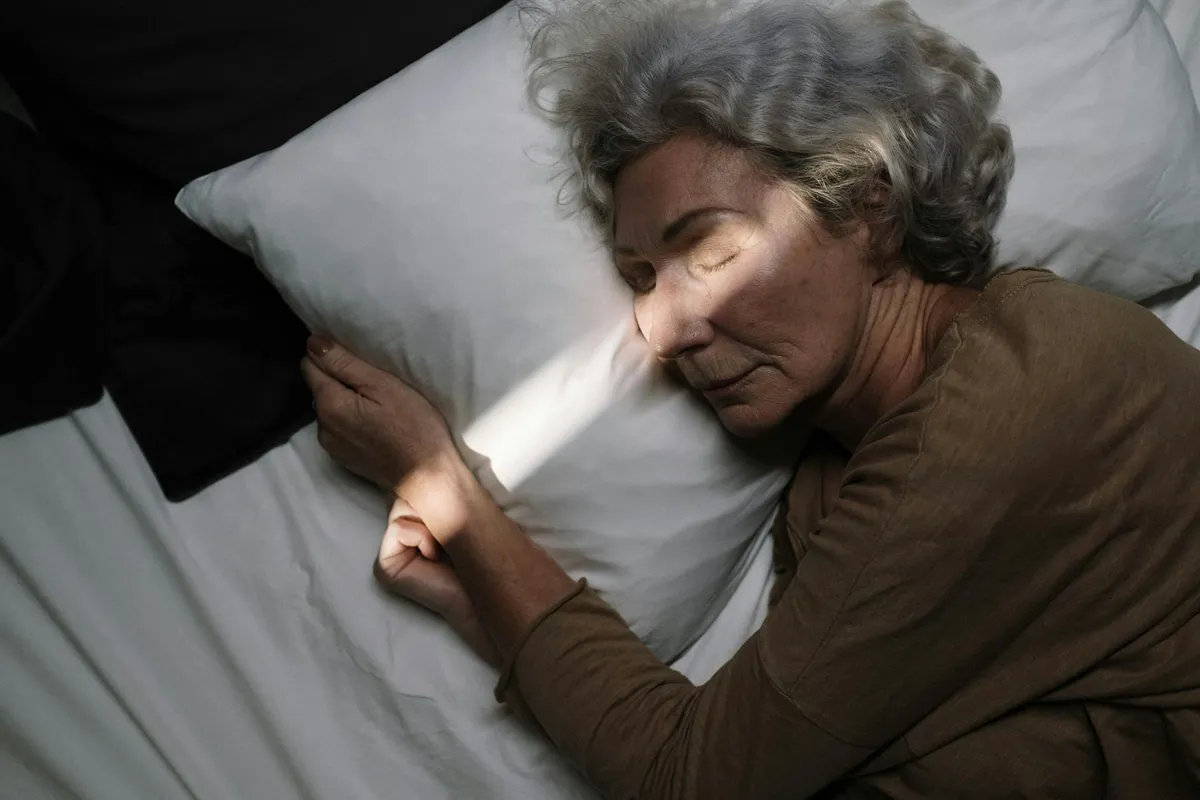
This page covers a specific Meditation offering. Practitioners and organizations appear only when they offer this exact support option, not simply Meditation in general.
Treatment Principles
Overview of Sleep Restoration Program
What is the Sleep Restoration Program?
The Sleep Restoration Program is a multi-session, holistic offering that helps you explore the root causes of poor sleep and gently rebuild restful, consistent rest.
Grounded in meditation and relaxation, it looks at the habits, stress, and routines that shape how you sleep, taking a whole-person view rather than a single quick remedy.
How the program may support you
Sleep touches every part of life, and many people describe calming, holistic practices as a helpful support for winding down.
This program may support you to explore:
- easing chronic difficulty settling into sleep
- calming stress and a busy, activated mind at night
- supporting daytime energy and reducing fatigue
- steadier mood and emotional balance connected to rest
What to expect
Sessions are calming and reflective. Your practitioner may guide meditation and relaxation practices, and explore your bedtime habits, environment, and daily patterns together with you.
The focus is on gentle, sustainable changes rather than pressure to sleep a certain way.
How a series unfolds
The program builds over several sessions, often beginning with wind-down and relaxation practices before exploring consistent, sustainable bedtime routines.
Many people find that returning to the same calming practices over time helps rest feel more familiar and accessible.
Principles and approach
The approach is holistic, calming, and complementary. It supports everyday sleep and wellbeing and does not diagnose or treat any sleep disorder.
Gentle consistency and self-compassion are central, so the practices support rest rather than adding pressure.
How to know whether it is right for you
This program may suit you if you experience everyday difficulty winding down, stress-related sleep disruption, or restless nights during a transition, and want to explore calming, sustainable practices.
It is complementary support, not a clinical sleep treatment or a substitute for medical care. For persistent insomnia, or a suspected sleep disorder such as sleep apnea, please see a doctor. If sleep difficulties are linked to significant distress or affecting your daily functioning, a qualified mental-health professional can help too.
Formats compared
Different experiences
These come in several formats. None is “better” — they suit different people and circumstances.
One-to-one program
- Setting
- All
- Typically
- 45–60 min
- May suit
- People who want a plan built around their own sleep patterns.
Online sessions
- Setting
- Online
- Typically
- 45–60 min
- May suit
- People who prefer to work from home around their evening routine.
Who explores this
What people explore it for
Why people explore this. Not a claim of effectiveness.
Proposed benefits
What people and the tradition describe
Benefits proposed by the tradition and reported by people who explore this — described experiences, not clinically established outcomes. Evidence is limited and individual responses vary.
More consistent sleep
People often report falling asleep more easily and waking less through the night as new habits take hold.
A calming wind-down routine
Practical, repeatable steps that help signal to the body that it is time to rest.
Less bedtime worry
Relaxation techniques many people find helpful for quietening a busy mind late at night.
Understanding your patterns
A supportive look at the habits and triggers that may be affecting your sleep.
For you?
Is this right for you?
A simple, human way to weigh it up. This is general guidance, not personal medical advice — a qualified practitioner can advise on your situation.
- A Sleep Restoration Program may be a good fit for adults who experience ongoing difficulties with sleep — such as trouble falling asleep, staying asleep, or waking unrefreshed — and who are interested in exploring whole-person, lifestyle-centered approaches.
- It may particularly suit those who prefer to understand the contributing factors behind their sleep challenges rather than simply managing symptoms.
- Individuals who have tried conventional sleep support with limited results, or who wish to complement medical care with holistic strategies, may find value in this pathway.
- It may also appeal to those experiencing stress-related sleep disruption, life-transition fatigue, or a sense that their overall balance — emotional, physical, and environmental — is affecting their rest.
- People who are willing to engage actively over multiple sessions and make gradual lifestyle adjustments are likely to get the most from this type of program.
- A holistic Sleep Restoration Program may not be the most appropriate first-line option for individuals with clinically diagnosed sleep disorders such as obstructive sleep apnea, narcolepsy, or restless leg syndrome, where medical evaluation and intervention are typically recommended.
- Those experiencing acute mental health crises, severe insomnia significantly impacting daily functioning, or sleep disruption linked to an underlying medical condition should seek professional medical assessment before or alongside exploring holistic pathways.
- This program may also be less suitable for individuals seeking immediate results or pharmaceutical-level interventions, as holistic approaches tend to work gradually over weeks rather than providing rapid symptom relief.
- People with limited capacity for self-directed practice between sessions — due to health, circumstance, or bandwidth — may find the program structure challenging to engage with fully at a particular time.
Gyfts is a discovery platform, not a medical provider. Nothing here diagnoses, treats or replaces professional care. In an emergency, contact your local emergency number.
Evidence & tradition
Evidence and tradition in context
What research says about Sleep Restoration Program, where the evidence is limited, and how it fits within a broader wellbeing picture.
The current evidence base is insufficient to draw firm conclusions
While individual components commonly included in such programs, such as mindfulness-based practices, sleep hygiene education, and relaxation techniques, have been explored in clinical research with varying results, the specific combinatio…
What the research showsHow strong the current research is, and where it remains limited, inconsistent, or inconclusive.
The evidence base for holistic Sleep Restoration Programs as a defined, multi-modal care pathway is currently insufficient. While individual components commonly included in such programs — such as mindfulness-based practices, sleep hygiene education, and relaxation techniques — have been explored in clinical research with varying results, the specific combination and structure of holistic sleep restoration programs has not been rigorously evaluated in large, controlled studies. Some research suggests that mindfulness-based interventions and cognitive-behavioral approaches to sleep may support improvements in sleep quality for certain individuals, but these findings cannot be directly generalized to holistic multi-session programs without further evidence. It is important to note that 'insufficient evidence' does not mean the approach is ineffective — it reflects a gap in formal research rather than a proven absence of benefit. Individual responses to holistic sleep support vary widely depending on the practitioner's training, the tools used, and the underlying causes of sleep difficulty. Those considering this pathway are encouraged to discuss options with a qualified health professional, particularly if sleep disruption is severe, longstanding, or accompanied by other health concerns.
Ancient roots and traditionThe traditions and history this practice draws on, offering meaningful context that is distinct from clinical evidence.
Concerns about sleep and its role in health appear across many traditional healing systems — from Ayurvedic concepts of restoring dosha balance to support natural sleep cycles, to traditional Chinese medicine frameworks linking sleep disruption to organ system imbalances. The formalization of sleep as a dedicated area of holistic care has grown significantly in recent decades, influenced by the rise of integrative medicine, behavioral sleep science, and growing public awareness of sleep's foundational role in overall wellbeing. Sleep Restoration Programs as structured care pathways emerged largely in response to widespread dissatisfaction with purely pharmaceutical approaches and a desire for sustainable, root-cause solutions. Holistic practitioners began drawing together tools from mindfulness, somatic therapy, nutrition, and lifestyle medicine to create multi-session programs tailored to the individual. Today these programs are offered by a diverse range of practitioners including integrative health coaches, naturopaths, and mind-body therapists.
Safety and when to seek guidanceGenerally low risk for most people, though some situations call for professional guidance first.
Take particular care if you have a diagnosed sleep disorder such as sleep apnoea that needs medical management; a health professional is already treating your sleep and has advised a specific plan; persistent insomnia alongside low mood, or loud snoring with pauses in breathing, which need medical assessment; extreme daytime sleepiness that affects driving or safety. Any serious or persistent health concern should be evaluated by a licensed healthcare provider, alongside rather than in place of professional care.
Limitations to keep in mindIndividual responses vary, and inflated outcome claims are common, so a balanced view matters.
A limited or developing evidence base does not mean an experience holds no value, but it does mean outcomes cannot be promised. Be cautious of anyone guaranteeing results, and treat personal reports as context rather than proof of effectiveness.
FAQ
Common questions
Is a Sleep Restoration Program medical treatment?
No. Gyfts is a discovery platform, not a medical provider. This is presented as an educational support option — it is not medical advice, diagnosis, or treatment, and it does not replace care from a qualified professional. In an emergency, contact your local emergency number.
How is a Sleep Restoration Program different from a one-off sleep consultation?
A program is a structured, multi-session care pathway rather than a single visit. This allows a practitioner to assess your patterns in depth, introduce tools progressively, and adapt the approach based on how you respond over time. The ongoing nature of the program is intended to support lasting change rather than a one-time recommendation.
How long does a typical Sleep Restoration Program last?
Program length varies by practitioner and individual need, but many span four to twelve weeks with weekly or biweekly sessions. Some practitioners offer shorter introductory programs and longer ongoing support options. It is worth discussing the proposed structure and your goals with the practitioner before starting.
Is there scientific evidence that this type of program works?
The evidence base for holistic Sleep Restoration Programs specifically is currently insufficient, meaning formal research on this exact pathway is limited. Some individual components — such as mindfulness and relaxation practices — have been studied with mixed results, but findings cannot be directly applied to multi-modal holistic programs. Many participants report personal benefit, though individual results vary.
Guided wellbeing journey
Start a guided wellbeing journey
No specific guided journey is linked to this Support Option yet, but you can explore the available journeys.
Educational only. Not a diagnosis or medical assessment.
View available journeysCommonly explored alongside
People commonly explore these areas also
Reasons people explore this — a complementary practice used alongside conventional care, not a replacement, and not conditions this treats.
People often explore the Sleep Restoration Program for easing restless nights, calming a busy mind, and rebuilding restful routines — as a complementary practice used alongside conventional mental-health and medical care, not a replacement for it.
Winding down for sleep3 areas
Sustainable sleep routines3 areas
Rest and daytime energy3 areas
Related modalities1 area
Shown only where an explicit relationship exists.
Explore next
Related sessions & formats
Neighbouring experiences people often consider alongside this one.
Read a little further
Related guides
 Condition GuideOMT for TMJ, Sleep Apnea, and Mouth Breathing: What the Evidence Shows
 GuideWhat Is Orofacial Myofunctional Therapy (OMT)? A Complete Guide
 GuideAdult Sleep: Evidence-Based Strategies for Quality Rest and Sleep Disorders
 GuideSleep Coaching: A Comprehensive Guide to Improving Sleep Quality and Rest
References
Evidence & Research
Educational sources that inform this overview. Inclusion is for context and does not imply endorsement.
- 1Recovery Methods in Basketball: A Systematic Review
- 2The role of lifestyle medicine in menopausal health: a review of non-pharmacologic interventions
- 3Investigating the Neuroprotective and Cognitive-Enhancing Effects of Bacopa monnieri: A Systematic Review Focused on Inflammation, Oxidative Stress, Mitochondrial Dysfunction, and Apoptosis
- 4Holistic care in inflammatory bowel disease: is it in REACH?
- 5Effectiveness of Integrative Restoration (iRest) Yoga Nidra on Mindfulness, Sleep, and Pain in Health Care Workers
Full citations are maintained by the Gyfts editorial team and reviewed periodically.