What Angel Therapy Involves
A practitioner sits quietly with her client, shuffling a deck of beautifully illustrated oracle cards whilst inviting angelic presence into the room. She draws three cards, each depicting different angels with specific qualities—Archangel Michael for protection, Gabriel for communication, Raphael for healing. The session unfolds through gentle conversation about what these divine messages might mean for the client's current struggles.
Angel therapy centres on the belief that angelic beings actively offer guidance, protection, and healing to those who seek their help. Practitioners facilitate communication with these spiritual entities through various methods including prayer, meditation, visualisation, and intuitive interpretation. Unlike psychological therapies that focus on human-to-human relationship, angel therapy positions divine messengers as the primary source of wisdom and support.
Sessions typically blend quiet reflection with active interpretation. The practitioner may use oracle or angel cards as conversation starters, practice channelling to receive direct angelic messages, or guide clients through meditative visualisations designed to open spiritual communication channels.
Roots in Divine Messaging Traditions
Angel therapy draws from millennia-old traditions of seeking guidance from divine messengers. Angels appear across major world religions—Christianity, Islam, Judaism—as intermediaries between the human and divine realms. The practice reflects humanity's enduring desire to access wisdom beyond ordinary consciousness.
The contemporary form of angel therapy emerged in the late 20th century, popularised through New Age spirituality movements. Authors and teachers like Doreen Virtue developed structured approaches to angelic communication, creating card decks, guided meditations, and training programmes that made these practices accessible beyond traditional religious contexts.
Whilst rooted in ancient spiritual concepts, modern angel therapy often incorporates elements from various traditions—Christian mysticism, metaphysical philosophy, and intuitive healing practices. This eclectic approach allows practitioners to work with clients from diverse spiritual backgrounds.
The Framework of Angelic Communication
Within angel therapy's spiritual framework, angels exist as conscious beings of pure love and light who desire to help humanity. Each angelic being carries specific qualities and areas of expertise—Archangel Michael offers protection and courage, whilst Archangel Raphael provides healing energy. Practitioners believe humans can access this guidance through intention, openness, and various communication methods.
The process typically involves quieting the analytical mind to allow intuitive impressions to emerge. Practitioners may receive messages as words, images, physical sensations, or sudden knowing. Oracle cards serve as focal points for these communications, with their imagery and text providing starting points for deeper interpretation.
From a psychological perspective, angel therapy may function as structured introspection that accesses unconscious wisdom through symbolic thinking. The ritual elements—card selection, quiet reflection, meaningful interpretation—create space for insights that might otherwise remain below conscious awareness. The attributed divine source may reduce self-doubt and increase receptivity to internal guidance.
Who Seeks Angelic Guidance
People often turn to angel therapy during life transitions when they feel uncertain about direction or decisions. The loss of a loved one, relationship changes, career confusion, or health challenges can prompt seeking guidance beyond ordinary advice. The practice appeals particularly to those with existing spiritual or religious beliefs who want structured ways to access divine support.
Parents concerned about their children's wellbeing frequently seek angelic guidance about protection and nurturing. Similarly, people in caring professions—nurses, teachers, counsellors—may use angel therapy to find strength for supporting others whilst maintaining their own spiritual resilience.
Those drawn to angel therapy often describe feeling alone or overwhelmed by life's complexities. The belief that loving, wise beings actively care about their wellbeing can provide profound comfort. The practice offers structure for those who believe in divine guidance but lack formal religious frameworks for accessing it.
A Typical Session Experience
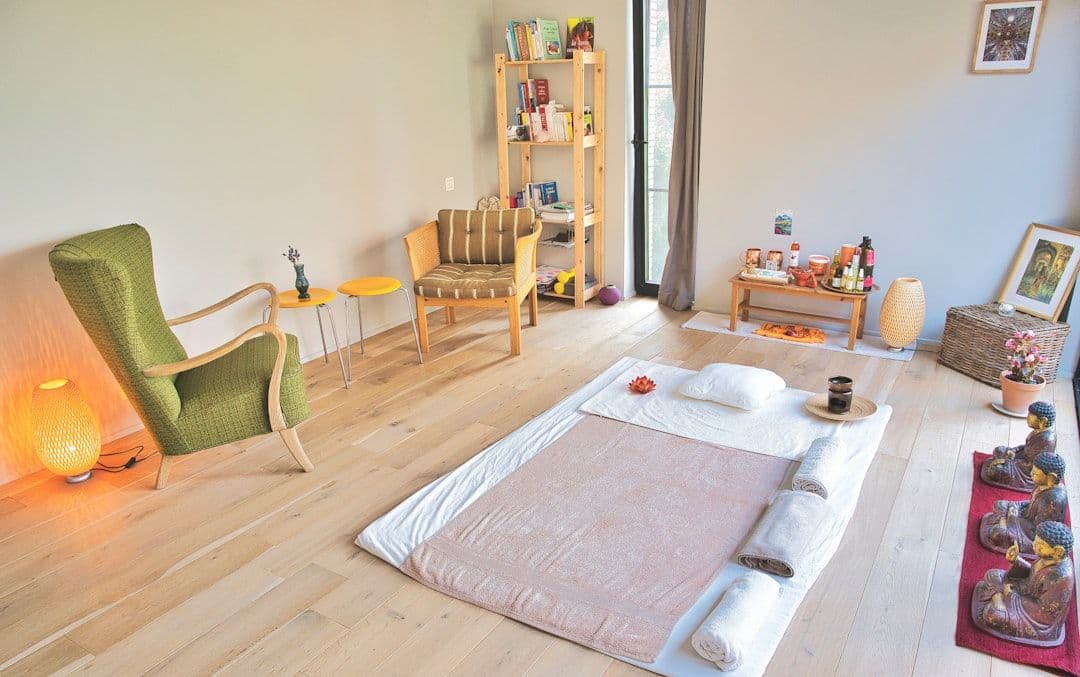
Sessions usually begin with the practitioner creating sacred space through lighting candles, burning incense, or playing soft music. Both practitioner and client may pray or meditate briefly to invite angelic presence. The atmosphere tends towards peaceful reverence rather than clinical formality.
The practitioner often starts by asking about current concerns or areas where guidance feels needed. They may then select cards from an angel oracle deck, either intuitively or following specific spreads that address different life aspects. Each card drawn becomes a conversation point about its potential meaning and relevance.
Throughout the session, the practitioner shares impressions, feelings, or messages they receive whilst encouraging the client to notice their own intuitive responses. Sessions typically last 60-90 minutes and conclude with practical suggestions for continuing angelic communication at home—specific prayers, meditation practices, or ways to notice signs and synchronicities.
Clients often leave with written notes about the messages received and suggested actions for integrating the guidance into daily life.
Finding Qualified Practitioners
Angel therapy qualifications vary widely since no single governing body oversees this spiritual practice. Many practitioners complete certification programmes through spiritual schools or established angel therapy teachers. Look for practitioners who clearly explain their training background and approach to the work.
Reputable practitioners typically charge £40-80 per session and maintain professional boundaries whilst working within spiritual frameworks. They should respect your beliefs, avoid making grandiose claims about outcomes, and acknowledge when issues might benefit from additional support beyond spiritual guidance.
Some practitioners are registered with complementary therapy organisations like the CNHC or FHT, though this is not universal. Personal recommendation often proves more valuable than formal credentials for spiritual practices. Initial consultations can help assess whether the practitioner's style and beliefs align with your needs.
Many practitioners offer remote sessions via video calls, expanding access for those in areas with limited local options. Whether in-person or remote, trust your instincts about feeling safe and supported during sessions.