What Is Animal-Assisted Therapy?
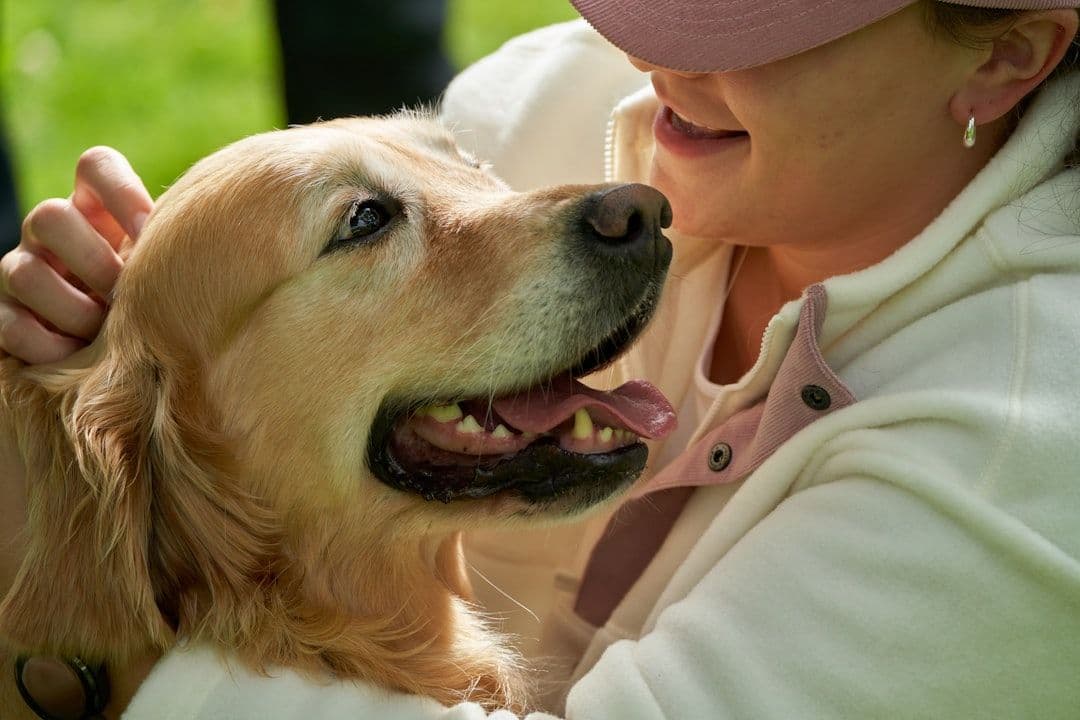
Animal-assisted therapy (AAT) is a goal-directed intervention in which an animal that meets specific criteria is an integral part of the treatment process. It is delivered by a health professional with specialised expertise and within the scope of their practice — distinguishing it from casual animal visits or simply owning a pet.
The Evidence Base
A 2019 meta-analysis of 49 studies found that AAT produced significant reductions in anxiety, depression, and pain, with anxiety showing the largest and most consistent effects. Physiological studies support the psychological data: multiple trials have measured reductions in cortisol, heart rate, and blood pressure following structured animal contact.
Populations with Strongest Evidence
Children and Adolescents
AAT with children shows some of the most consistent results. Studies in school settings, paediatric hospitals, and child mental health services find reliable anxiety reduction, improved social interaction, and greater engagement with therapeutic processes when animals are present.
PTSD
Veterans and trauma survivors represent a population where AAT — particularly equine-assisted therapy — has attracted significant research attention. Multiple studies find reductions in PTSD symptom severity, hypervigilance, and social isolation.
Proposed Mechanisms
The most studied biological mechanism is oxytocin release — the neuropeptide associated with bonding and social connection — which is elevated in both humans and animals during positive contact. Psychological mechanisms include attentional shift away from anxious rumination and the safety cue provided by a calm, responsive animal presence.
Quality Indicators
When seeking a practitioner, look for: formal training in AAT, a certified therapy animal assessed for temperament and health, clear therapeutic goals and documentation, and explicit attention to animal welfare. Organisations such as Pet Partners and the UK's Pets As Therapy provide certification frameworks.