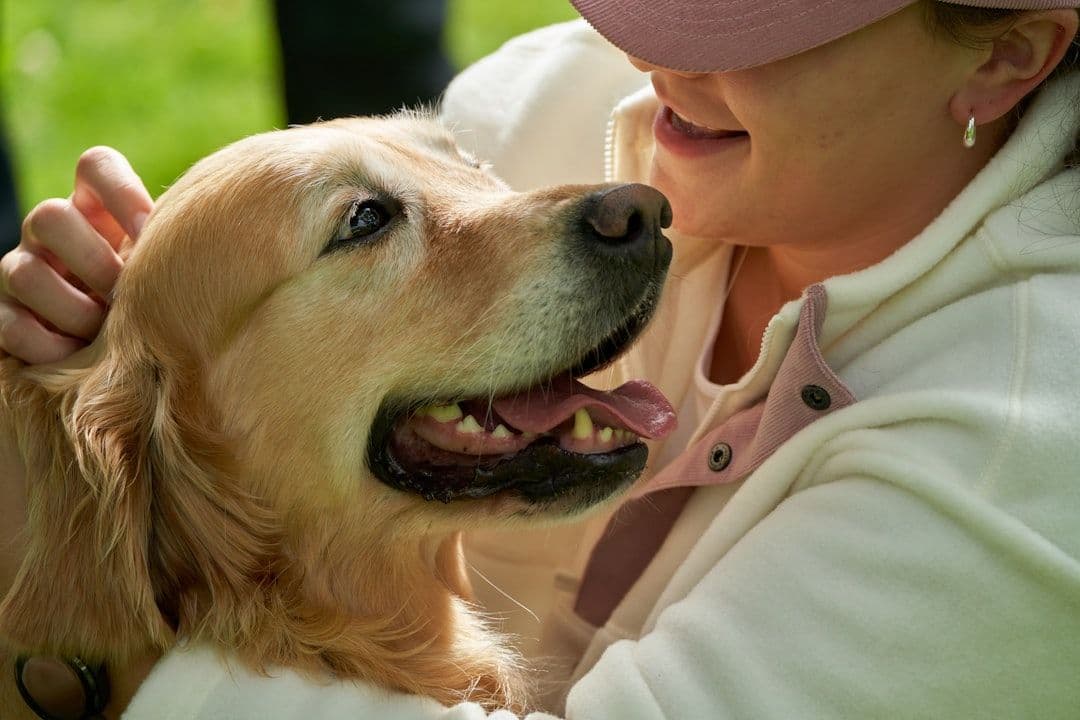
What it is
Structured sessions with certified therapy animals to support mental and physical health.
Animal-assisted therapy (AAT) involves structured, goal-oriented interventions that include an animal and are delivered or directed by tr...
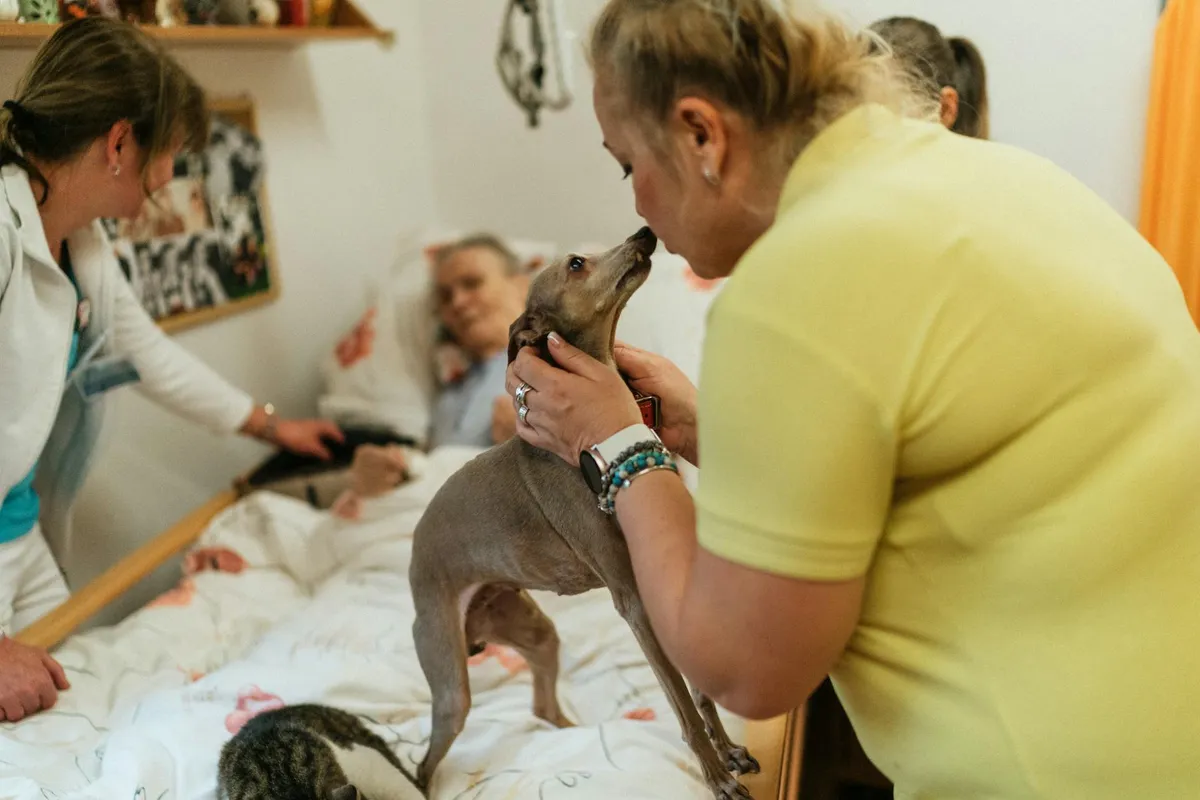
At a glance
What it is
Structured sessions with certified therapy animals to support mental and physical health.
Why explore it
Animals can ease emotional barriers, making therapy feel more natural and less intimidating.
How it’s experienced
You'll work toward personal goals by interacting with a therapy animal alongside a trained handler.
Evidence context
Early research looks promising, though findings are still emerging and not yet conclusive.
See the evidence snapshotSafety
Generally low risk — just flag any allergies or phobias so sessions can be tailored for you.
See staying safeHistory & Origin
Animal Assisted Therapy uses animals as a form of therapeutic intervention to improve mental and physical health.
Therapeutic use of animals has been described in healthcare and rehabilitation contexts for decades; contemporary practice emphasizes structured protocols, provider training, and animal welfare standards.
Mechanism
Animal Assisted Therapy is generally framed as a guided process for attention, reflection, learning, and emotional integration. Depending on the method, a practitioner may use conversation, imagery, structured exercises, body awareness, or therapeutic techniques to help the person explore patterns and choices. It should not be presented as a standalone solution or a substitute for urgent care, but it may support self-understanding when practiced within an appropriate scope. Animal Assisted Therapy involves structured interactions between a person and a trained animal (commonly dogs, horses, or cats) under the guidance of a qualified healthcare provider or therapist.
Your first visit
A typical session outline to help you feel prepared
A therapist guides you through purposeful, goal-oriented interactions with a trained therapy animal to support your emotional, physical, or social well-being.
Your therapist greets you and briefly reviews your care plan goals, such as reducing anxiety or building social skills, so the session stays focused and meaningful.
You're introduced to the therapy animal at your own pace, allowing you to observe, approach, or simply be near the animal without any pressure to interact immediately.
The handler assesses the animal's mood and comfort before activities begin, ensuring the animal is calm, engaged, and ready — your safety and theirs are both a priority.
Your therapist introduces a structured activity, such as grooming, feeding, walking, or simply petting the animal, chosen specifically to support your therapeutic goals.
You may practice targeted skills during the interaction, like giving calm commands to build confidence, maintaining focus, or regulating your breathing while the animal responds to you.
Midway through, your therapist gently checks how you're feeling physically and emotionally, adjusting the activity or pace based on your comfort and engagement level.
The session slows naturally, giving you time to say goodbye to the animal in a calm way, which itself can be a meaningful part of processing the experience.
Your therapist closes with a brief conversation about what you noticed during the session and how it connects to your broader care plan goals going forward.
The Evidence
What research currently says about Animal Assisted Therapy, where evidence is strong, and where gaps remain.
Promising signals, but research quality is still catching up
Systematic reviews suggest AAT may support mental health and psychosocial outcomes in specific populations. Many studies have methodological limitations, so findings should be interpreted with appropriate caution.
Systematic reviews indicate AAT may offer benefits for mood, stress, and social engagement in certain groups, including older adults, children, and people in mental health settings. However, many studies are small, lack control groups, or rely on self-report measures. Evidence is best described as emerging rather than established.
The presence of a trained animal can engage multiple aspects of a person's experience at once — sensory comfort, emotional regulation, and social connection. This multi-dimensional quality makes AAT a natural fit within holistic care frameworks, where wellbeing is understood as more than the absence of symptoms.
In clinical and allied health settings, AAT is most commonly offered alongside established therapies — for example, to support engagement in rehabilitation or to complement psychological support. It is not a substitute for professional assessment or evidence-based treatment for mental or physical health conditions.
Before participating, individuals should be screened for allergies, animal phobias, and immunocompromised status. Reputable programs follow established animal welfare and handler training standards. AAT is not appropriate where animal contact is unwanted, unsafe, or restricted by clinical setting policies.
AAT should be delivered by qualified practitioners working with certified or formally assessed animals. Ask about the provider's training, the animal's welfare protocols, and how sessions are structured. Unstructured animal contact is not the same as formal AAT and may not carry the same potential benefits or safety oversight.
Most AAT studies are small, short-term, and lack standardised outcome measures, making it difficult to draw firm conclusions. Effects observed in research may not generalise across all populations or settings. AAT should be considered a supportive option rather than a primary intervention, and expectations should remain realistic.
Safety first
General guidance to help you decide whether this approach is appropriate for you. This is informational only and not a substitute for medical, psychological, or professional advice.
Some situations call for extra care or a different approach. Share any conditions, injuries, or sensitivities with your practitioner before your first session.
If you are pregnant, managing a health condition, recovering from injury or surgery, or taking medication, consult a qualified healthcare professional first.
Look for clear boundaries, transparent pricing, and practitioners who avoid fear-based claims or pressure to book frequent sessions.
Mild, short-lived effects such as tenderness, tiredness, or temporary soreness can occur. Rest, hydrate, and tell your practitioner how you respond.
For you?
A simple, human way to weigh it up. This is general guidance, not personal medical advice — a qualified practitioner can advise on your situation.
Gyfts is a discovery platform, not a medical provider. Nothing here diagnoses, treats or replaces professional care. In an emergency, contact your local emergency number.
Explore approaches
Other practices people often explore alongside animal assisted therapy.
In their words
FAQ
No. AAT is typically structured and goal-oriented within a therapeutic plan, delivered or directed by trained professionals.
Commonly dogs, but programs may use other species depending on setting, training, and welfare standards.
Programs screen participants for contraindications, follow infection-control policies, and adhere to training and animal welfare guidelines.
Dogs are the most widely used in formal AAT programmes, particularly therapy dogs in hospitals, schools, and mental health settings — with substantial evidence for anxiety and stress reduction, increased social engagement, and pain perception management. Horses are central to equine-assisted therapy, particularly for emotional regulation, trauma, PTSD, and autism. Cats, rabbits, and guinea pigs are used in care settings and with children. Dolphins have been used in dolphin-assisted therapy, though evidence is limited and ethical concerns exist around captivity. The key across species is the non-judgmental, responsive presence of the animal.
Yes, with meaningful variation by application. The evidence is strongest for dog-assisted interventions in acute care settings — multiple RCTs show reduced anxiety, lower cortisol, and reduced pain perception in hospital patients. Equine-assisted therapy has moderate evidence for PTSD (particularly in veterans), autism, and at-risk youth. AAT for dementia shows consistent positive effects on agitation, mood, and social engagement. The mechanism is well-understood: animal interaction stimulates oxytocin release, reduces cortisol, and activates affiliative neural circuits. A 2019 meta-analysis found significant effects across anxiety, depression, and social functioning.
References
Educational sources that inform this overview. Inclusion is for context and does not imply endorsement.
Full citations are maintained by the Gyfts editorial team and reviewed periodically.
Keep exploring
Browse practitioners, explore honest overviews, and take what you learn to a conversation — at your own pace.