Why PTSD?
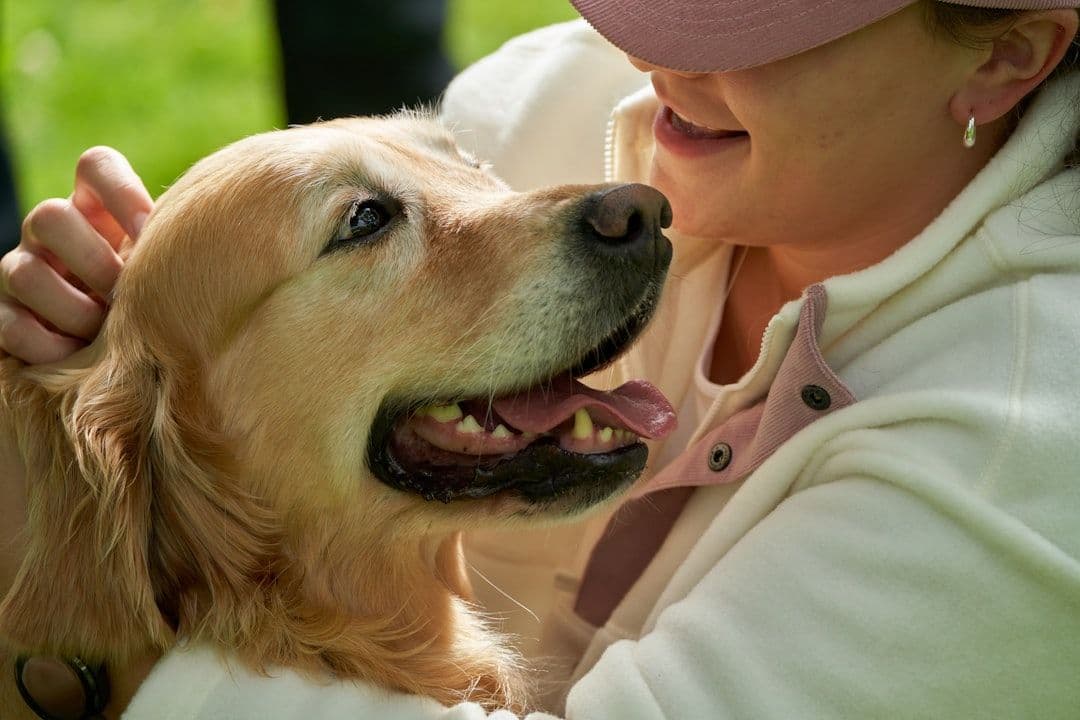
PTSD presents unique therapeutic challenges. Many survivors find verbal recounting of trauma retraumatising, or that hypervigilance and social avoidance make it difficult to engage with human therapeutic relationships. Animal-assisted approaches offer a different relational entry point that does not depend on verbal fluency.
The Veteran Research
The most extensively studied population for AAT and PTSD is military veterans. A 2020 systematic review of 11 studies found consistent reductions in PTSD severity, depression, and social isolation, with equine-assisted programmes showing the most robust results. A notable randomised pilot study found significantly greater reductions in PTSD Checklist scores after a 6-week equine programme, with gains maintained at 3-month follow-up.
Proposed Mechanisms
Horses are prey animals with highly developed threat-detection and are acutely sensitive to human autonomic nervous system states — their responses provide real-time feedback on the veteran's stress physiology. The embodied, non-verbal nature of working with animals may access somatic dimensions of trauma more directly than verbal therapy alone.
Limitations and Clinical Position
Most trials are small, lack active comparison conditions, and vary considerably in protocol. Publication bias likely inflates apparent effects. The clinical position of AAT in PTSD treatment should be complementary — a meaningful adjunct for appropriate individuals, particularly those who struggle to engage with conventional talking therapies.