Before Your Session
Your practitioner will conduct an intake assessment — asking about your therapeutic goals, any history with or concerns about animals, allergies, and relevant health information. This shapes how the session is structured and which animal is most appropriate.
Meeting the Animal
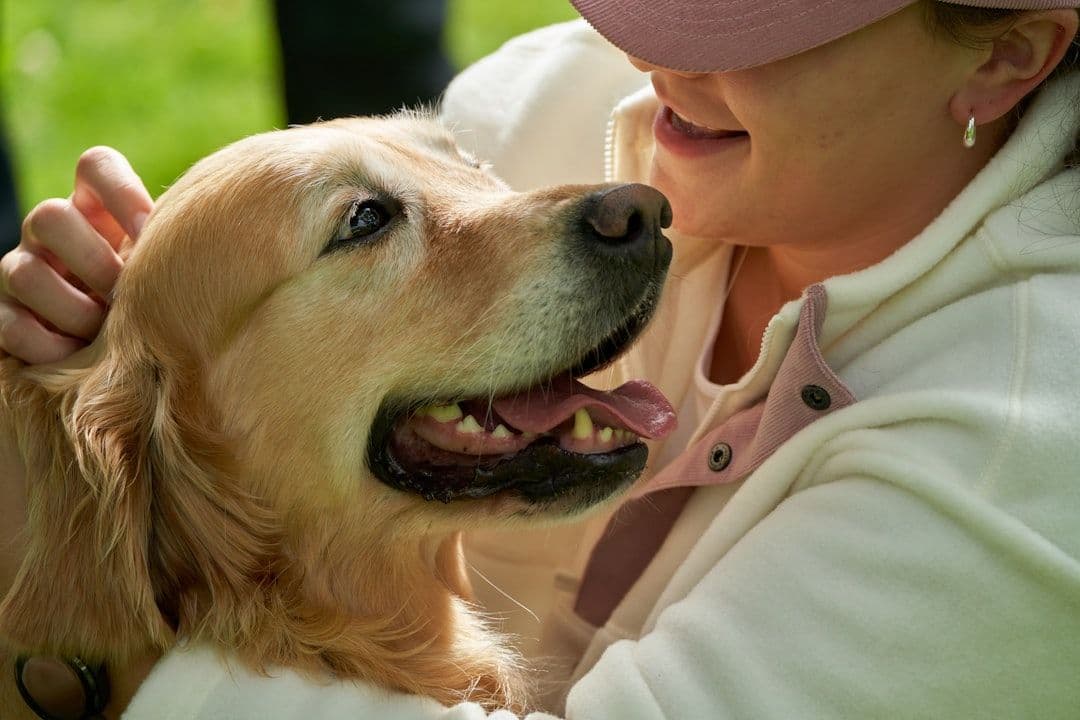
The first introduction is done thoughtfully. The animal does not rush toward you — interaction begins at your pace. For therapy dogs, the initial meeting might involve the dog sitting nearby while you settle. For equine work, you might spend the first session observing the horses before any direct interaction.
During the Session
Activities are purposeful, not incidental. Depending on your goals, you might groom a horse and process what emerges emotionally, work with a dog on tasks that parallel relational skills you are developing, or simply sit with an animal while discussing something difficult in therapy. Your practitioner is actively facilitating throughout.
Equine-Assisted Therapy
Equine-assisted therapy uses horses as therapeutic partners — it does not involve riding. Activities typically take place on the ground: grooming, leading, or observing the horses' responses to your emotional state. Horses are highly attuned to human stress physiology and body language, providing real-time feedback that can be powerful therapeutically.
After the Session
Post-session reflection is an important part of AAT. Your practitioner will spend the final 10–15 minutes processing what emerged during the animal interaction — connecting experiences and feelings to your broader therapeutic goals. This integration is what distinguishes AAT from simply spending time with animals.