Astronomy is the scientific study of planets, stars and the wider universe, while astrology is a traditional symbolic practice that links planetary positions to personality and life events. Astronomy rests on measurement and testable predictions, whereas controlled tests of astrology have not supported its predictive claims, so many people treat it as a cultural and reflective practice.
What is astronomy?
Astronomy is a natural science. Astronomers observe objects in space, measure their positions, motion, brightness and composition, and build theories that can be checked against new data.
Its predictions are specific and repeatable. Eclipse dates, planetary positions and comet returns can be calculated in advance, and anyone with the right data can verify them. When new evidence conflicts with a theory, the theory changes.
What is astrology?
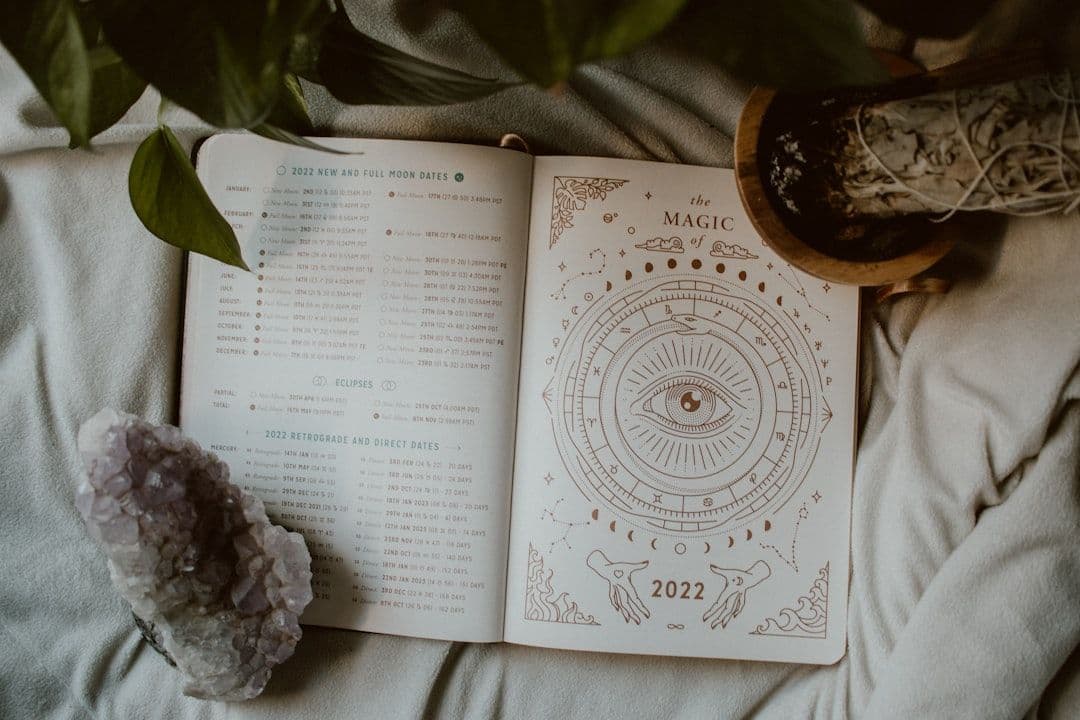
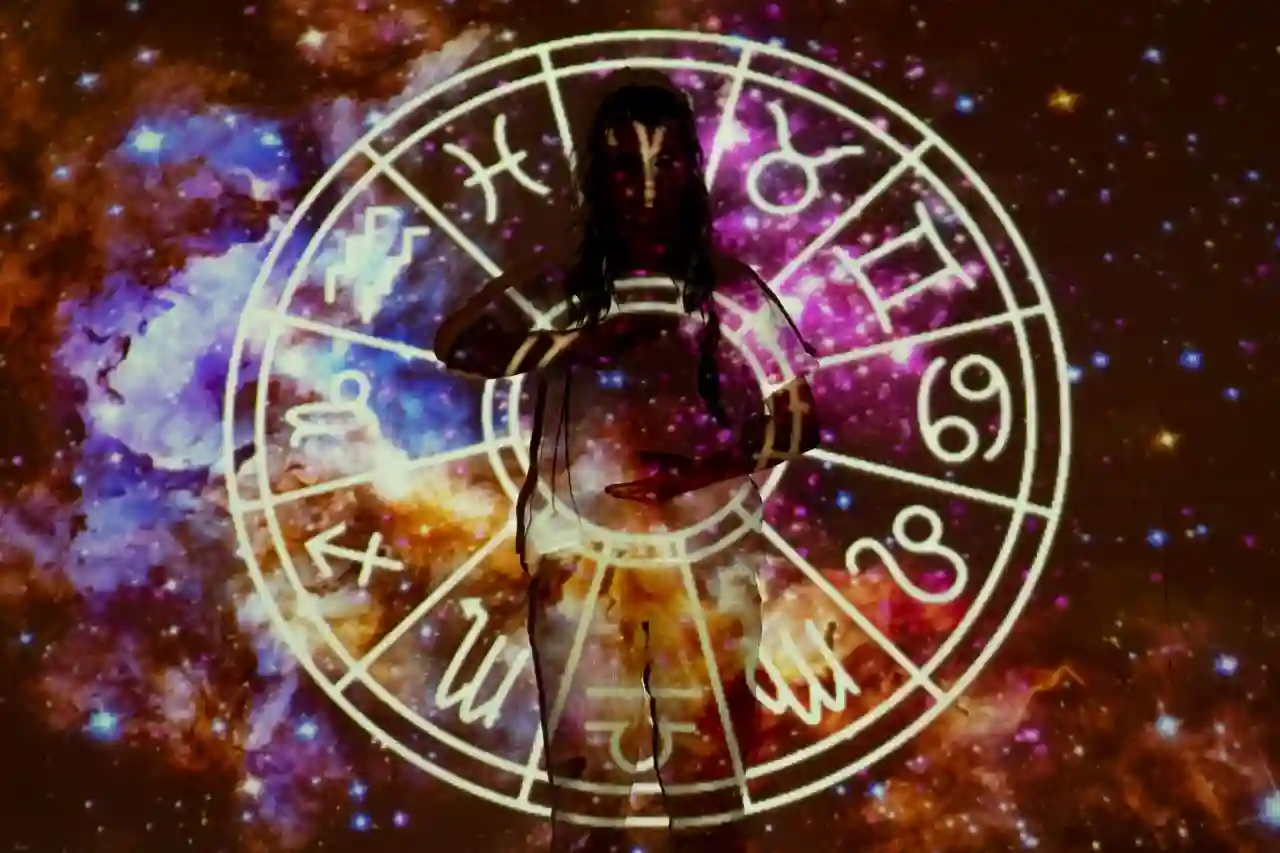
Astrology is a symbolic tradition that assigns meaning to the sky. It holds that the positions of the sun, moon and planets at a person's birth, or at other moments, correspond to personality traits and life themes.
A typical reading uses a birth chart, which maps those positions, and interprets them through signs, houses and aspects. Astrologers differ widely in method, from Western to Vedic traditions, and in how literally they mean their readings.
What are the key differences?
- •**Purpose:** Astronomy explains what objects in space are and how they behave. Astrology interprets the sky as a source of meaning for human life.
- •**Method:** Astronomy uses observation, measurement and mathematics. Astrology uses symbolic rules passed down by tradition.
- •**Testing:** Astronomy revises its theories when data disagree. Astrology's claims, when tested, have not held up, and its framework has stayed largely the same.
- •**Predictions:** Astronomy forecasts physical events. Astrology offers interpretation, and its personal forecasts are not supported by evidence.
- •**Standing:** Astronomy is an established science. Astrology is a traditional practice.
A simple way to remember it: astronomy asks what is out there and how it moves, while astrology asks what the sky might mean to a person. They answer different kinds of questions, so one is not a bad version of the other. Problems arise only when symbolic meaning is presented as physical fact.
Where do they share history?
For much of history, the two were not separate. Ancient observers tracked the sky to build calendars, guide planting and sailing, and read omens, and the same scholars often did all three.
Over the centuries, astronomy moved toward systematic measurement, mathematical models and controlled testing. Astrology kept its interpretive framework. The shared vocabulary of planets and constellations is a remnant of that common past.
What does the evidence say?
Astrology has been tested, and its predictive claims have not been supported. A well-known example is a 1985 study in *Nature* by physicist Shawn Carlson. Astrologers, chosen with the help of advising astrologers, tried to match birth charts to personality profiles under double-blind conditions. Carlson reported that astrology failed to perform at a level better than chance, and that the astrologers' own predicted success rate was not reached (Carlson, 1985).
One study is not the whole literature, and it tested a specific kind of claim, matching charts to personality profiles. But it is widely cited, and the broader scientific consensus is that astrology has no demonstrated predictive validity.
That does not make it meaningless to everyone. People report using astrology for self-reflection, storytelling and connection to tradition. Those are cultural and personal purposes, not scientific ones, and it helps to keep the two clearly apart.
Safety and who should check first
Used for reflection or fun, astrology is low risk. The concern comes when a reading is treated as fact. Avoid basing medical, legal, financial or relationship decisions on a chart, and be cautious of anyone who predicts illness, promises to fix your luck, or asks for large payments.
If you are dealing with health or mental health concerns, speak with a licensed professional. A good astrologer will not discourage that.
How to find an astrologer or explore related practices
If you want to try astrology as a reflective practice, look for someone who is clear about what it is and is not. Browse astrology practitioners on Gyfts and ask how they frame their work.
Related reading: what science says about astrology goes deeper on the research, what to expect during an astrology reading is a first-timer's guide, and how to read the I Ching covers another divination system.
Other symbolic and contemplative traditions work in a similar spirit, such as the I Ching and palmistry. You can also explore all modalities to compare approaches.