What Chromotherapy Actually Involves
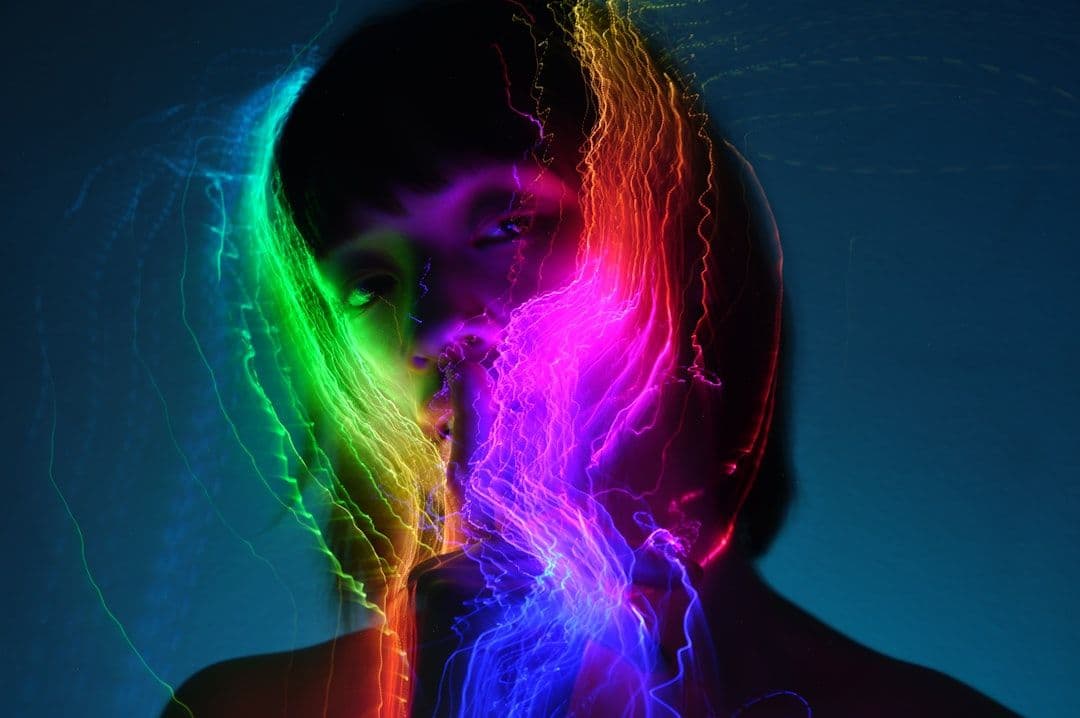
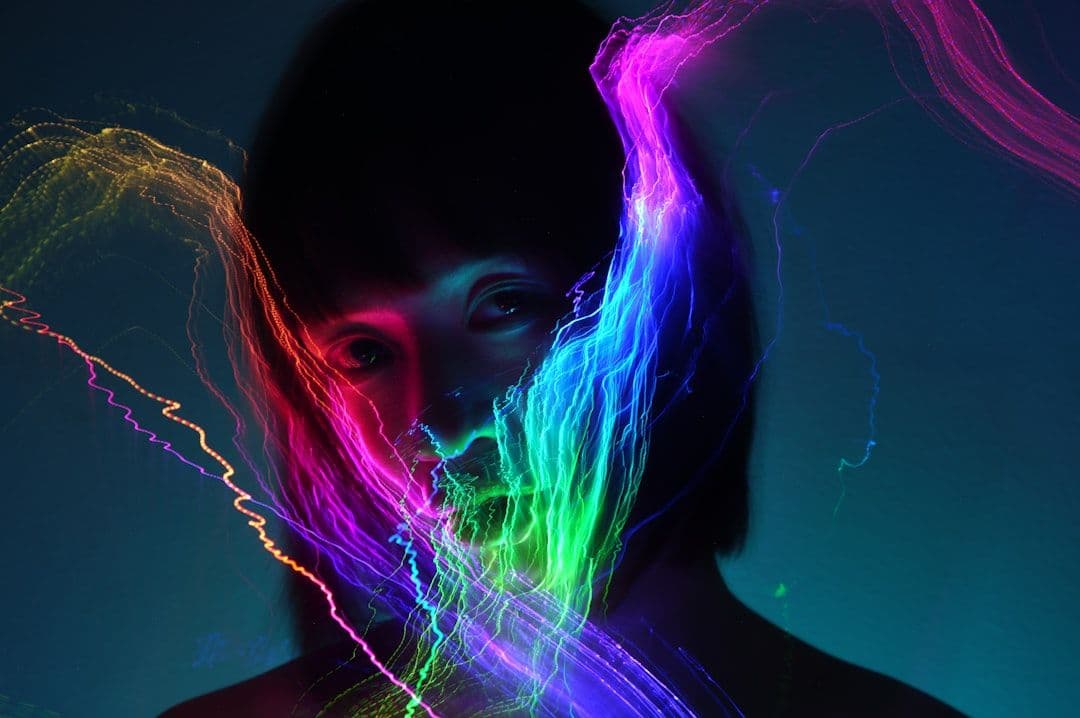
Step into a chromotherapy session and you might find yourself bathed in soft blue light from floor-to-ceiling panels, wearing specially tinted glasses that filter the world through amber lenses, or lying beneath a lamp that cycles through rainbow hues. This is chromotherapy—also known as colour therapy—a practice that uses specific wavelengths of visible light to influence how you feel.
Practitioners work with the premise that different colours carry distinct energetic qualities. Red light might be applied to energise and stimulate, whilst blue light aims to calm and centre. Green often represents balance, whilst violet is associated with spiritual connection. Some sessions focus purely on light exposure, others incorporate guided visualisation of colours, and many blend both approaches.
The experience varies considerably depending on the practitioner and your specific concerns. You might sit in a specially designed room where walls shift through different hues, receive targeted coloured light on specific body areas, or work with handheld devices that emit focused wavelengths.
Ancient Wisdom Meets Modern Light
Colour therapy draws from multiple historical traditions. Ancient Egyptian temples used coloured crystals and gems to filter sunlight for healing purposes, whilst traditional Chinese medicine has long associated colours with different organ systems and energy states. Ayurvedic practices similarly link specific hues to the chakra system and bodily functions.
The modern iteration emerged in the late 19th and early 20th centuries when researchers like Augustus Pleasanton and later Dinshah Ghadiali began systematising colour treatments. Ghadiali developed elaborate colour classification systems, prescribing specific wavelengths for various conditions. Though his claims went far beyond what evidence could support, his work influenced contemporary practice.
Today's chromotherapy has evolved to incorporate elements from light therapy research—particularly around seasonal affective disorder and circadian rhythms—whilst maintaining connections to traditional energetic frameworks. Many practitioners now work more modestly, focusing on mood support and general wellbeing rather than treating specific medical conditions.
How Practitioners Understand Colour's Effects
Within the chromotherapy framework, each colour vibrates at a specific frequency that resonates with different aspects of human physiology and psychology. Red, with its longer wavelength, is thought to stimulate circulation and energy. Blue's shorter wavelength supposedly calms the nervous system. Orange might enhance creativity and social connection, whilst indigo supports intuition and mental clarity.
From a biomedical perspective, we know that light affects us through several pathways. Specific wavelengths influence circadian rhythms via the suprachiasmatic nucleus in the brain. Bright light therapy—particularly blue-rich light—can impact serotonin and melatonin production. Some research suggests red and near-infrared light may influence cellular metabolism, though clinical applications remain under investigation.
The gap between traditional colour therapy claims and established light biology remains substantial. Most chromotherapy effects likely operate through psychological mechanisms—colour associations, expectation, and the therapeutic value of focused attention and relaxation.
Who Seeks Colour Therapy
People drawn to chromotherapy often report feeling stuck in low moods, experiencing sleep disruption, or seeking gentle support for stress and anxiety. Many are already exploring other complementary approaches and appreciate colour therapy's non-invasive nature.
Those working in visually demanding environments sometimes use chromotherapy to counterbalance prolonged screen exposure or artificial lighting. Creative professionals may explore colour therapy as part of their artistic practice, using it to shift mental states and enhance inspiration.
People with seasonal affective tendencies often find chromotherapy appealing, particularly approaches that incorporate bright light exposure during darker months. Some use it as part of broader wellness routines, combining colour work with meditation, yoga, or other mindfulness practices.
What to Expect During Treatment
A typical chromotherapy session begins with discussion about your current concerns and energy levels. The practitioner might ask about colour preferences, sleep patterns, and how you respond to different lighting environments. Some use colour assessment tools or guided visualisation to determine which wavelengths might be most supportive.
During treatment, you'll usually sit or lie comfortably whilst exposed to specific coloured lights. Sessions commonly last 20-45 minutes. Some practitioners use full-spectrum lamps with colour filters, others employ LED panels that emit precise wavelengths. The intensity and duration vary based on the approach and your individual response.
Many people report feeling relaxed during sessions, similar to meditation or gentle massage. Some notice subtle energy shifts—feeling more alert after red light exposure or calmer following blue light treatment. Effects often build gradually over multiple sessions rather than producing immediate dramatic changes.
Between sessions, practitioners might suggest simple colour practices: wearing specific colours, visualising healing hues, or adjusting your environment's lighting to support desired mood states.
The Evidence Landscape
Clinical research specifically on chromotherapy remains sparse and methodologically limited. Most studies involve small sample sizes, lack proper controls, or combine colour therapy with other interventions, making it difficult to isolate specific effects.
Some research on targeted light wavelengths shows more promise. Blue light therapy has established benefits for seasonal affective disorder, recognised by NICE guidelines. Red and near-infrared light therapy—sometimes called photobiomodulation—shows preliminary evidence for wound healing and possibly mood support, though research is ongoing.
Practitioner experience and patient reports suggest that many people do notice subjective improvements in mood, sleep quality, and stress levels. These effects might result from the relaxation inherent in colour therapy sessions, positive expectations, or genuine psychophysiological responses to specific wavelengths. Without controlled trials, distinguishing between these possibilities proves challenging.
The value of chromotherapy likely lies more in its role as a gentle, personalised wellness practice than in specific therapeutic claims. Many practitioners frame it as one tool within a broader integrative approach to wellbeing.
Practical Considerations
Chromotherapy sessions typically cost £30-80, with initial consultations sometimes priced higher. Treatment courses often involve 6-12 sessions over several weeks, though some people continue with maintenance sessions monthly or seasonally.
Practitioners come from diverse backgrounds—some are qualified complementary therapists who've added colour therapy to their practice, others focus exclusively on chromotherapy. Look for practitioners registered with professional bodies like the CNHC or FHT, and ask about their specific training in colour therapy techniques.
Many offer initial consultations to determine whether chromotherapy suits your needs and temperament. Since responses vary considerably between individuals, this assessment can help you gauge whether to proceed with a full treatment course.
Basic chromotherapy techniques can be explored at home through coloured lighting, colour meditation, or simply spending mindful time in different coloured environments. However, professional guidance helps ensure appropriate colour selection and safe light exposure levels.