What it is
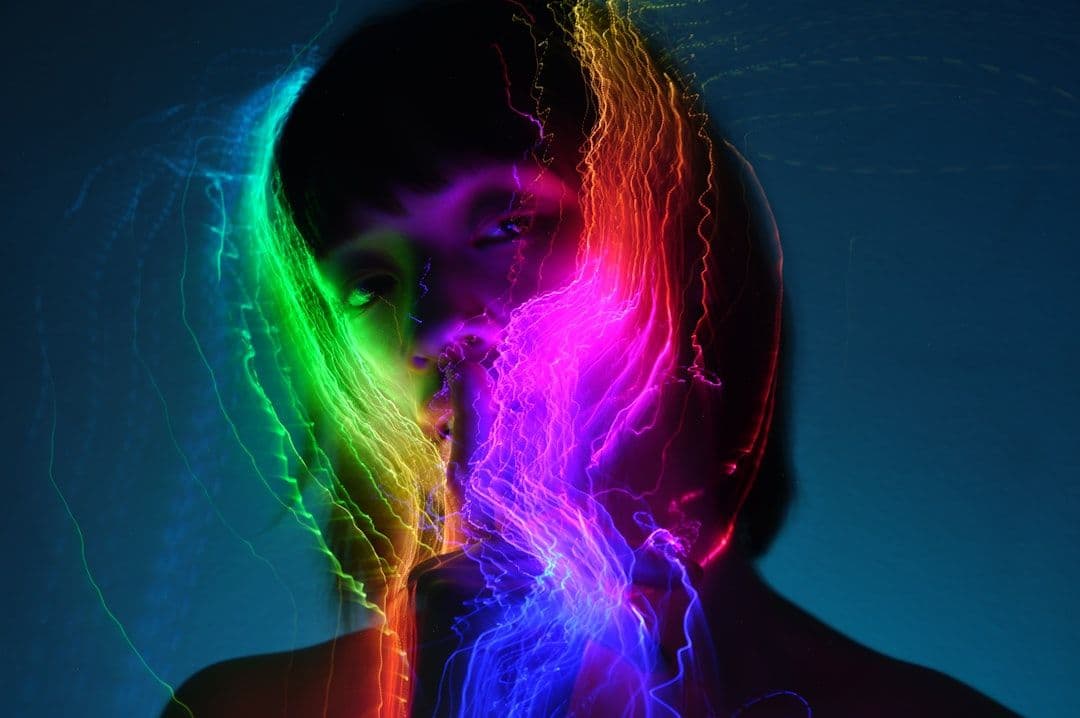
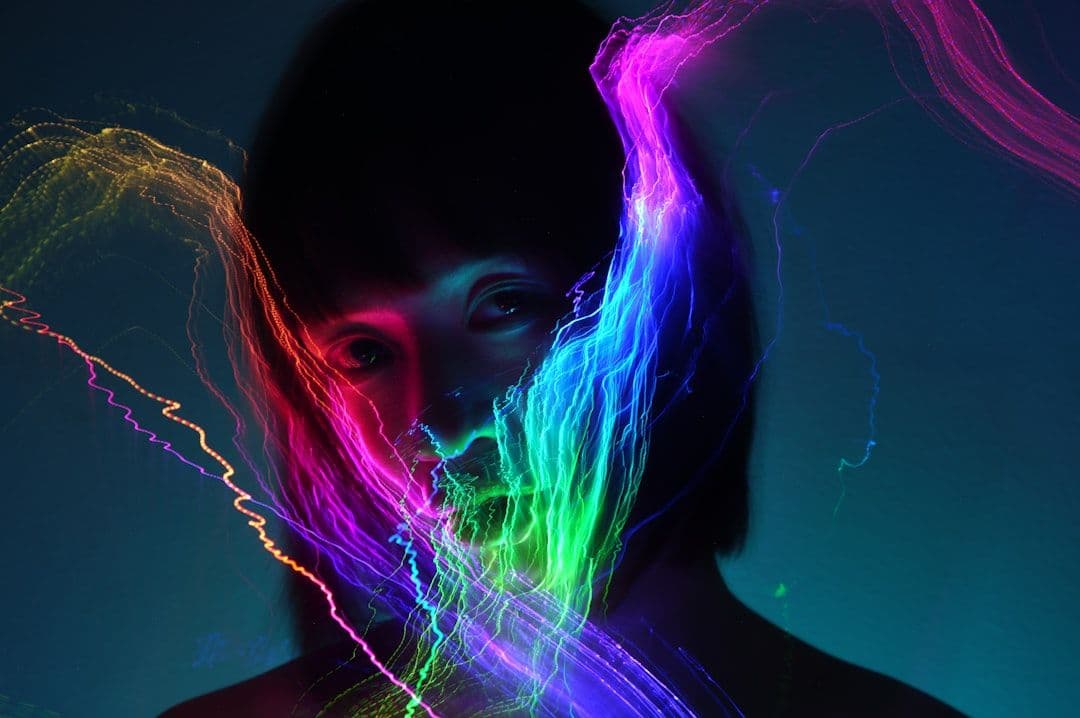
Chromotherapy uses colored light to support mood, energy, and overall wellbeing.
Chromotherapy, or color therapy, uses specific colors and colored light to influence mood, energy levels, and overall well-being
At a glance
What it is
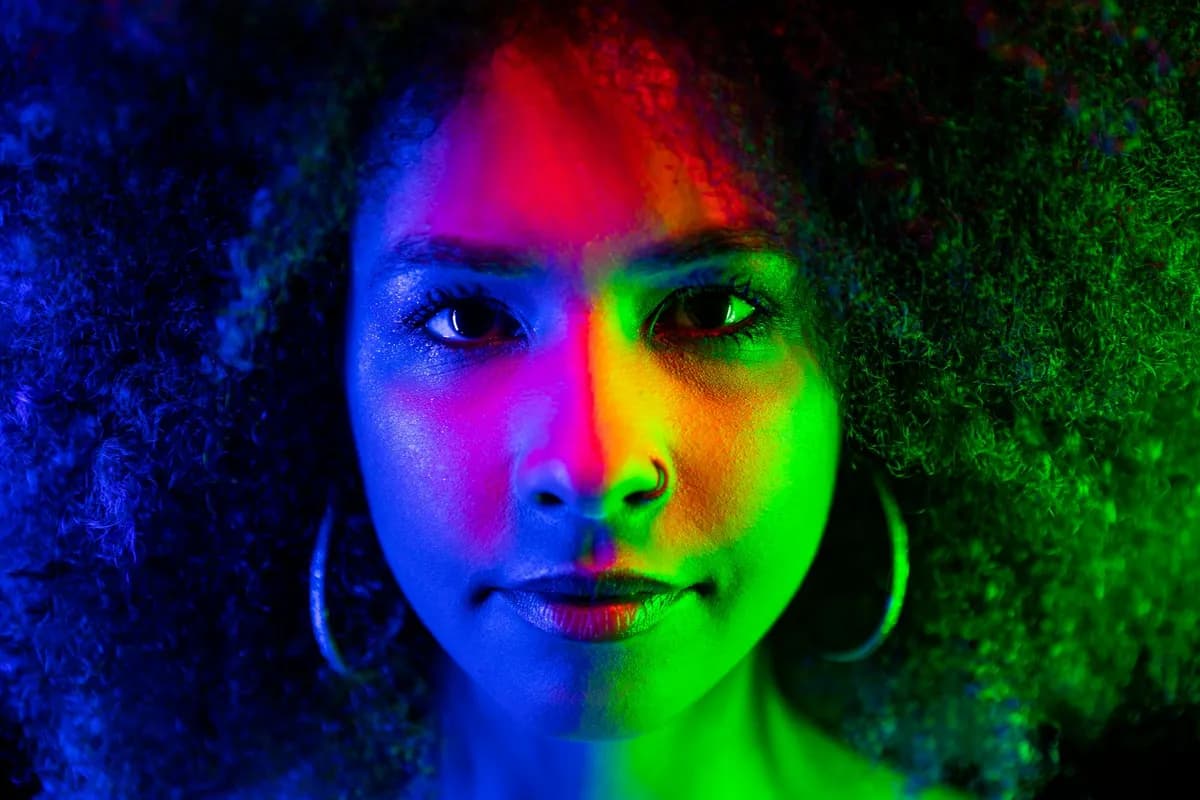
Chromotherapy uses colored light to support mood, energy, and overall wellbeing.
Why explore it
Colored light may gently support relaxation, emotional balance, and seasonal mood shifts.
How it’s experienced
Sessions use colored lights in a calm setting, typically lasting 20 to 45 minutes.
Evidence context
Research is limited, so treat reported benefits as exploratory rather than clinically proven.
See the evidence snapshotSafety
Generally low risk, but consult a doctor if you have epilepsy, eye conditions, or light-sensitive medications.
See staying safeHistory & Origin
Chromotherapy, or color therapy, uses color and light to balance energy in the body for health improvements.
Chromotherapy has ancient roots spanning multiple civilizations, with early forms documented in Egypt, China, and India thousands of years ago. Ancient Egyptians built healing temples with colored glass to harness therapeutic sunlight, while traditional Chinese medicine and Ayurveda incorporated color symbolism into their healing practices. The Greek physician Avicenna wrote about color's healing properties in the 11th century, and colored light was used in various European medical treatments throughout the medieval period.
Modern chromotherapy emerged in the late 19th and early 20th centuries when physicians like Dr. Edwin Babbitt and Dr. Dinshah Ghadiali began systematically studying color's effects on health. Babbitt published "The Principles of Light and Color" in 1878, establishing foundational theories about color's therapeutic properties. Ghadiali later developed the Spectro-Chrome system, using precise colored light filters for specific conditions.
The practice gained popularity during the alternative health movement of the 1960s and 1970s, spreading from clinical settings into wellness centers and holistic practices. Today, chromotherapy is integrated into various complementary therapies and is commonly found in spas, meditation centers, and alternative health clinics worldwide.
Mechanism
Chromotherapy is generally framed as a guided process for attention, reflection, learning, and emotional integration. Depending on the method, a practitioner may use conversation, imagery, structured exercises, body awareness, or therapeutic techniques to help the person explore patterns and choices. It should not be presented as a standalone solution or a substitute for urgent care, but it may support self-understanding when practiced within an appropriate scope. Chromotherapy operates on the principle that different wavelengths of light—corresponding to colors across the visible spectrum—interact with the body's energy systems to influence physiological and psychological states.
Your first visit
A typical session outline to help you feel prepared
A chromotherapy session uses carefully chosen colored lights directed at your body to support balance and wellbeing, guided by a trained practitioner who tailors every hue to your needs.
Your practitioner invites you to share your current physical sensations, emotional state, and any goals you have for the session, so the color selection can be personalized just for you.
Based on what you shared, the practitioner selects a sequence of colored lights thought to correspond with areas of imbalance, often referencing color-energy frameworks tied to the body's energy centers.
You'll lie fully clothed on a treatment table or reclined chair in a softly dimmed room, so wear loose, light-colored clothing that allows the colored light to reach your skin easily.
The practitioner directs colored lights toward specific areas of your body using a lamp, projector, or light panel, beginning with gentler hues before moving into the targeted color sequence.
You simply rest and breathe as each color washes over you; some people notice warmth, subtle shifts in mood, visual impressions behind closed eyes, or a deep sense of calm during this phase.
The practitioner moves through each selected hue in a deliberate order, pausing on colors that correspond to your focus areas, with a typical session running between 30 and 60 minutes total.
The lights are gently dimmed to neutral as the session winds down, giving your system a moment to settle before you're guided back to full awareness at your own pace.
You and your practitioner talk through any sensations or impressions you noticed, and you'll receive simple suggestions such as hydration, rest, or color-focused visualization to extend the benefits at home.
The Evidence
What research says about chromotherapy, where evidence is strong, and where it remains limited.
Promising signals, but the science is still early
Chromotherapy draws on real research into light and colour psychology, but most findings come from narrow studies rather than the full practice. Evidence for bright light therapy in seasonal mood conditions is stronger; broader colour therapy systems have much less clinical support.
Studies show colour and light exposure can influence cortisol, heart rate, and mood. However, most research examines single colours or bright white light rather than the full colour sequences used in chromotherapy practice. The gap between laboratory colour psychology and clinical colour therapy remains significant, and high-quality trials on chromotherapy specifically are scarce.
Regulated bright light therapy — typically white or blue-spectrum light — has well-supported evidence for seasonal mood changes and some sleep disorders. This is distinct from chromotherapy's broader colour-based approach. Findings from light therapy research are sometimes cited in chromotherapy contexts, but the two practices differ meaningfully in method and scope.
As an alternative modality, chromotherapy uses its own theoretical model — colour wavelengths interacting with the body's energy states — rather than established biochemical pathways. This does not make it harmful, but it does mean its core claims have not been validated through standard clinical research. Users should hold its theoretical basis separately from the more limited empirical findings.
Ancient healing temples used coloured light intentionally, and both Ayurveda and traditional Chinese medicine incorporated colour symbolism. Modern chromotherapy was formalised in the late 19th century. This historical depth reflects enduring human interest in colour's effects on wellbeing, even where the underlying explanations differ across traditions and from contemporary science.
People with photosensitive epilepsy, severe eye conditions, or light-sensitive medications should consult a doctor before use. Those with serious mental health conditions should not use chromotherapy as a substitute for professional assessment or ongoing care. Avoid looking directly into bright light sources, and ensure any practitioner uses properly calibrated equipment.
The evidence does not support inflated outcome claims for chromotherapy as a primary intervention. It may complement other approaches for relaxation, mood support, or wellbeing, but it is not a substitute for professional assessment or evidence-based care. If you are managing a diagnosed condition, discuss any complementary practices with your healthcare provider.
Safety first
General guidance to help you decide whether this approach is appropriate for you. This is informational only and not a substitute for medical, psychological, or professional advice.
If you are pregnant, managing a health condition, recovering from injury or surgery, or taking medication, consult a qualified healthcare professional first.
Some situations call for extra care or a different approach. Share any conditions, injuries, or sensitivities with your practitioner before your first session.
Look for clear boundaries, transparent pricing, and practitioners who avoid fear-based claims or pressure to book frequent sessions.
Mild, short-lived effects such as tenderness, tiredness, or temporary soreness can occur. Rest, hydrate, and tell your practitioner how you respond.
For you?
A simple, human way to weigh it up. This is general guidance, not personal medical advice — a qualified practitioner can advise on your situation.
Gyfts is a discovery platform, not a medical provider. Nothing here diagnoses, treats or replaces professional care. In an emergency, contact your local emergency number.
Explore approaches
Other practices people often explore alongside chromotherapy.
In their words
FAQ
During a session, you'll relax comfortably while colored lights are directed at your body or specific areas. Different colors are typically used in sequence, with each color applied for several minutes. The experience is gentle and non-invasive, often feeling like a peaceful light meditation. Sessions usually last 30-60 minutes and may include color visualization exercises.
The number of sessions varies based on individual needs and goals. Some people notice benefits after a single session, while others may need 6-10 sessions to experience optimal results. For ongoing wellness support, monthly maintenance sessions are common. Your practitioner will develop a personalized treatment plan based on your specific conditions and response to therapy.
Chromotherapy is generally very safe when practiced by qualified practitioners using proper equipment. The main safety considerations involve individuals with photosensitive epilepsy or severe eye conditions. Most people experience no adverse effects, though some may feel energized or relaxed after treatment. Always inform your practitioner of any medical conditions or light sensitivities.
Different colors are believed to have specific effects: red for energy and circulation, blue for calming and cooling, green for balance and healing, yellow for mental clarity, and violet for spiritual connection. Warm colors (red, orange, yellow) are generally energizing, while cool colors (blue, green, violet) are typically calming. Your practitioner will select colors based on your individual needs and treatment goals.
Phototherapy using specific light wavelengths has established medical applications — UV therapy for psoriasis and eczema, blue light therapy for neonatal jaundice, and bright white light for seasonal affective disorder (SAD) are all clinically validated. These are distinct from colour therapy per se but demonstrate that light wavelengths affect biology. Colour therapy's specific claims — that particular colours heal specific organs or conditions — lack clinical trial support. Some research suggests colour influences mood and arousal (red increases physiological arousal; blue and green promote calm), supporting its use as a relaxation and ambience tool. It is appropriately positioned as a complementary wellness modality.
References
Educational sources that inform this overview. Inclusion is for context and does not imply endorsement.
Full citations are maintained by the Gyfts editorial team and reviewed periodically.
Keep exploring
Browse practitioners, explore honest overviews, and take what you learn to a conversation — at your own pace.