Preparing for Your Appointment
Arrive wearing comfortable, loose-fitting clothing in light colours or white. Dark fabrics can absorb light differently, potentially affecting the session. Remove any tinted glasses or contact lenses if possible, as these may filter the coloured light.
Eat a light meal beforehand rather than attending on an empty stomach. Some practitioners suggest avoiding caffeine for several hours prior, as stimulants may interfere with your ability to relax and receive the subtle effects of the colour therapy.
Bring a bottle of water and perhaps a light jumper, as treatment rooms are often kept cool to prevent overheating under the lights. Most importantly, arrive with an open mind and realistic expectations about what you might experience.
The Session Experience
Your practitioner will begin with a brief consultation about your current mood, energy levels, and what you hope to achieve. They may ask about sleep patterns, stress levels, or specific concerns to determine which colours might be most beneficial.
You'll typically lie on a comfortable treatment table or sit in a relaxing chair. The practitioner will position coloured lights at specific distances from your body—usually 12-18 inches away. The lights themselves are often LED panels or specialised lamps that emit pure wavelengths of colour rather than regular coloured bulbs.
A typical session progresses through different colours, each lasting 3-10 minutes. You might begin with calming blues or greens, progress to energising yellows or oranges, and conclude with balancing colours like purple or white. The lights feel warm but not hot, creating a gentle, enveloping glow.
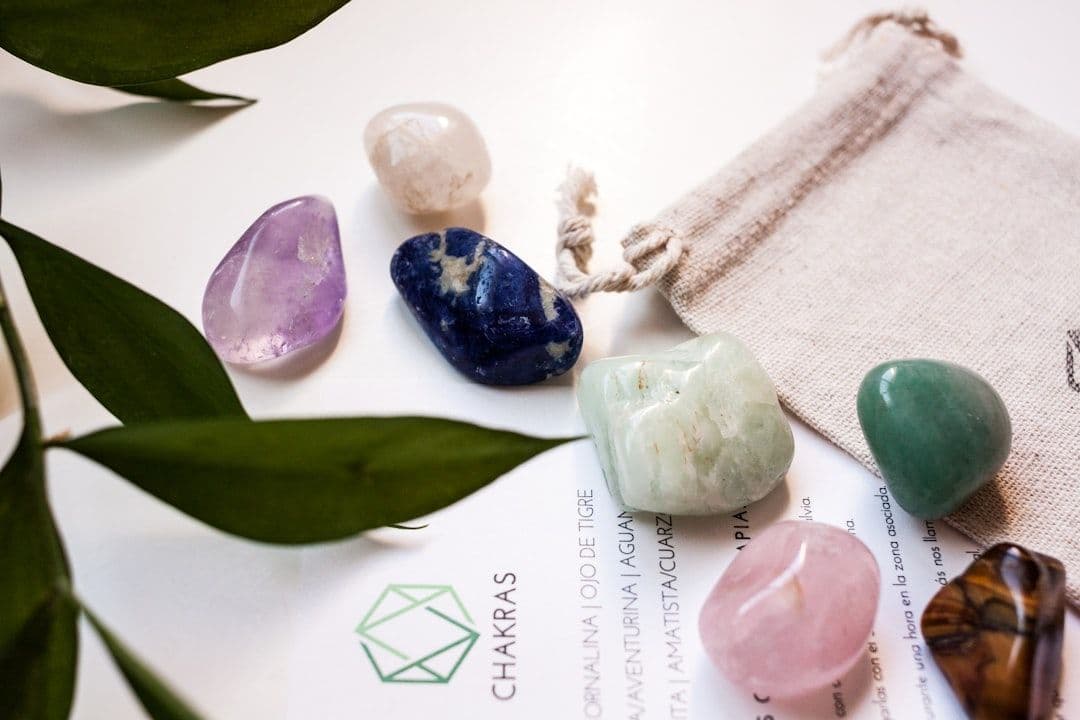
Some practitioners incorporate guided visualisation, asking you to imagine breathing in specific colours or visualising them flowing through your body. Others use colour-tinted crystals or coloured water that you hold or drink. The overall atmosphere resembles a meditation session with added visual elements.
What You Might Notice
During the session, many people report feeling deeply relaxed, similar to the state achieved during meditation or gentle massage. Some notice subtle shifts in mood or energy levels as different colours are introduced. You might feel more alert during yellow or red light exposure, or more peaceful under blue or green wavelengths.
Physical sensations can include gentle warmth, tingling, or a sense of lightness. Others describe feeling colours as physical sensations—red as energising warmth, blue as cooling calm. Some people see colours more vividly with their eyes closed, or notice colours appearing differently than usual.
Not everyone experiences dramatic effects during their first session. Some feel primarily relaxed, whilst others notice more pronounced mood shifts. Emotional responses can include tearfulness, joy, or simply a sense of release. These reactions are considered normal within the chromotherapy framework.
After Your Session
Plan to move slowly for the first few minutes after treatment. Many people feel deeply relaxed, almost dreamlike, and need time to fully reorient. Drink plenty of water over the following hours, as practitioners suggest this helps integrate the session's effects.
Avoid intense activities, bright artificial lights, or stressful situations for the remainder of the day if possible. Some people feel energised whilst others feel sleepy—both responses are considered normal. If you feel particularly energised after an evening session, you might have difficulty sleeping.
Keep note of any mood changes, sleep patterns, or energy shifts over the next 24-48 hours. Some people report effects lasting several days, whilst others notice benefits primarily during and immediately after the session. Practitioners often recommend avoiding alcohol and maintaining gentle self-care routines for optimal integration.
Building a Treatment Programme
Most chromotherapy practitioners recommend an initial course of 6-8 sessions over 3-4 weeks, allowing time between treatments for your system to respond. Weekly appointments are typical, though some people benefit from twice-weekly sessions initially.
Each subsequent session may focus on different colours based on your ongoing needs and responses to previous treatments. Practitioners often adjust the intensity, duration, and colour combinations as they observe your reactions and preferences.
Maintenance sessions might continue monthly or quarterly, depending on your individual response and goals. Some people find occasional sessions helpful during stressful periods, whilst others prefer regular ongoing support. The approach is typically personalised rather than following a strict protocol, allowing flexibility based on your changing needs and circumstances.