Before You Arrive
Bring any recent imaging (X-rays, MRI scans) and a list of current medications, particularly pain relief. Wear comfortable, close-fitting clothing that allows your physiotherapist to observe your movement patterns clearly — leggings or shorts with a fitted top work well. Avoid loose clothing that might catch on equipment springs or obscure your alignment.
Eat lightly beforehand if hungry, but avoid large meals within two hours of your session. The core-focused work can be uncomfortable on a full stomach. If you're attending for back pain, avoid activities that typically aggravate your symptoms on the day of your appointment — you want to arrive representing your usual baseline, not during a flare-up.
Complete any intake forms sent beforehand. Your physiotherapist will use this information alongside their assessment to design your initial programme. Arrive five minutes early to settle in and discuss any concerns before you begin.
Assessment and Your First Exercises
Your session begins with a detailed physiotherapy assessment, not immediate exercise. Your practitioner will ask about your pain patterns, previous injuries, daily activities, and goals. They'll observe how you walk, sit, and stand, noting any compensatory movement patterns or asymmetries.
Physical testing follows — range of motion, muscle strength, and specific orthopedic tests relevant to your condition. Don't be surprised if they ask you to perform simple movements like bending forward or balancing on one leg. This assessment typically takes 15-20 minutes of your hour-long session.
Your first exercises begin on the mat or plinth, focusing on basic core activation. You might place your hands on your lower ribs whilst breathing deeply, feeling for the gentle engagement of deeper abdominal muscles. Many people are surprised by how subtle these initial movements are — clinical Pilates starts with motor control, not strength.
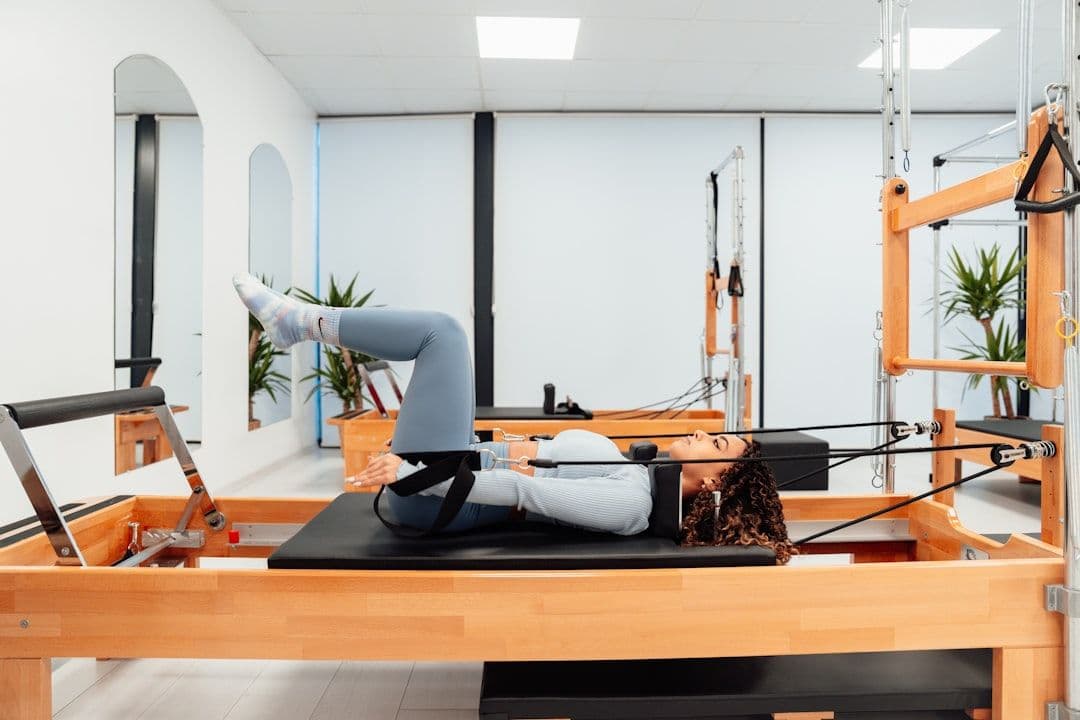
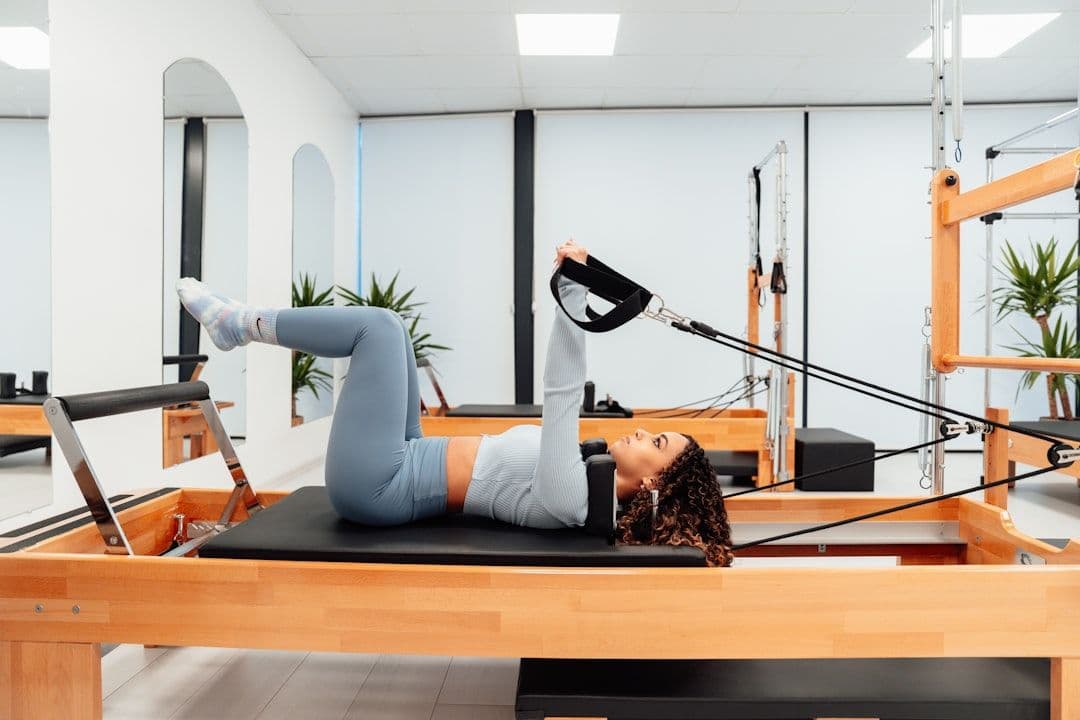
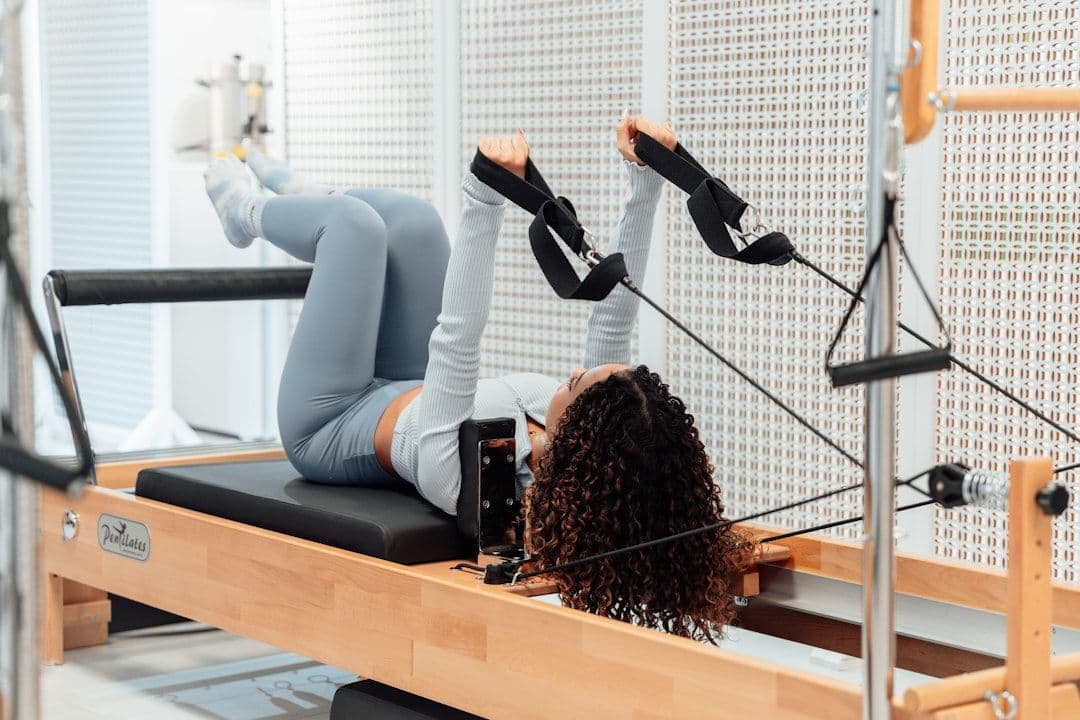
Equipment introduction comes gradually. The reformer — a bed-like frame with springs and pulleys — often features first. Your physiotherapist will demonstrate each exercise, then guide you through the movement. The springs provide both assistance and resistance, making movements feel quite different from floor exercises. You'll notice the constant need for core engagement to maintain stability against the moving carriage.
What You Might Experience
Physical sensations vary considerably between individuals and conditions. Many people report an unusual sense of whole-body awareness — muscles you rarely think about suddenly demand attention. The spring resistance feels different from weights or bands, providing variable load throughout each movement that challenges your control and coordination.
Some exercises might feel easier than expected, particularly if you're used to high-intensity workouts. Clinical Pilates prioritises precision over power. You might find yourself concentrating intensely on seemingly simple movements, discovering that activating specific muscle groups whilst maintaining alignment requires considerable mental focus.
Mild muscle fatigue is common, particularly in the deep stabilising muscles around your spine and pelvis. This might manifest as a gentle tremor or sense of muscles 'switching off' during holds. Your physiotherapist will recognise these signs and modify exercises accordingly — it's information, not failure.
Emotionally, many people feel both challenged and reassured. The clinical environment provides confidence that exercises are safe and appropriate, whilst the precision required can feel mentally demanding. Some people experience relief at finally understanding why certain movements have been difficult or painful.
Aftercare and Recovery
You might feel energised immediately after your session, followed by a sense of relaxation as your nervous system settles. Mild muscle soreness 24-48 hours later is normal, particularly in muscles that haven't been working effectively. This differs from sharp pain — contact your physiotherapist if you experience increased symptoms.
Continue with any home exercises prescribed, but avoid pushing through significant discomfort. Your physiotherapist will provide specific guidance about activity modification. Generally, gentle movement like walking helps rather than complete rest, unless advised otherwise.
Drink plenty of water and maintain your usual activities unless specifically advised to modify them. Many people notice improved awareness of their posture and movement patterns in daily life — pay attention to these insights rather than forcing changes.
Some people experience immediate improvement in symptoms, whilst others need several sessions before noticing changes. Pain reduction, improved movement quality, and enhanced body awareness typically develop progressively rather than dramatically.
Building Your Programme
Most people benefit from weekly sessions initially, progressing to fortnightly as their programme advances. A typical course involves 6-12 sessions, though this varies significantly based on your condition and goals. Post-surgical rehabilitation might require longer, whilst maintenance programmes for chronic conditions could continue monthly.
Each session builds on the previous one, with exercises progressed based on your response rather than a predetermined timeline. Your physiotherapist might advance you from basic core activation to complex functional movements over several weeks, always ensuring you can maintain control and proper form.
Small group classes (maximum 3-4 people) might be introduced once you've mastered basic exercises individually. These maintain the clinical supervision whilst providing a more cost-effective option for ongoing sessions.
Many people transition to regular Pilates classes after completing their clinical programme, armed with better understanding of their body and movement patterns. Your physiotherapist will advise when this transition is appropriate and what to look for in a suitable class or instructor.