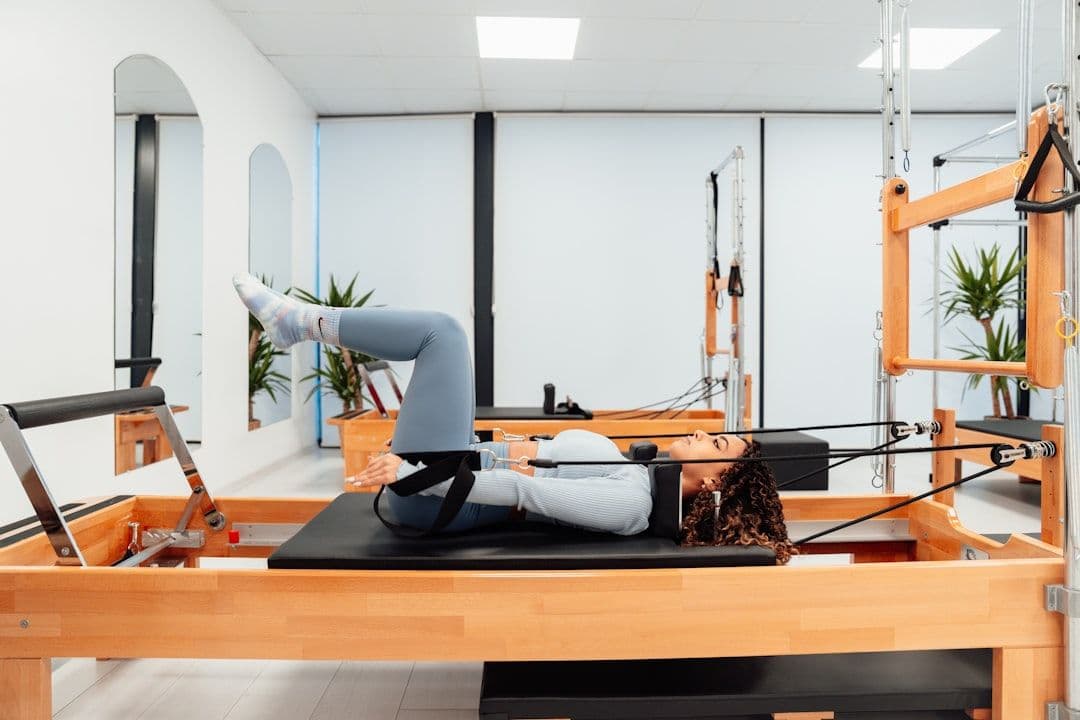
What it is
A physio-led program adapting Pilates to treat injury, back pain, and posture issues.
Physiotherapist-guided Pilates for rehabilitation and clinical populations
At a glance
What it is
A physio-led program adapting Pilates to treat injury, back pain, and posture issues.
Why explore it
It may help with back pain recovery, post-surgery movement, and core control under physio care.
How it’s experienced
A physiotherapist guides you one-on-one or in small groups using mats or specialty equipment.
Evidence context
Research shows promise for back pain relief, though study quality varies and results differ by person.
See the evidence snapshotSafety
Low-risk when led by a qualified physiotherapist who tailors every exercise to your specific needs.
See staying safeHistory & Origin
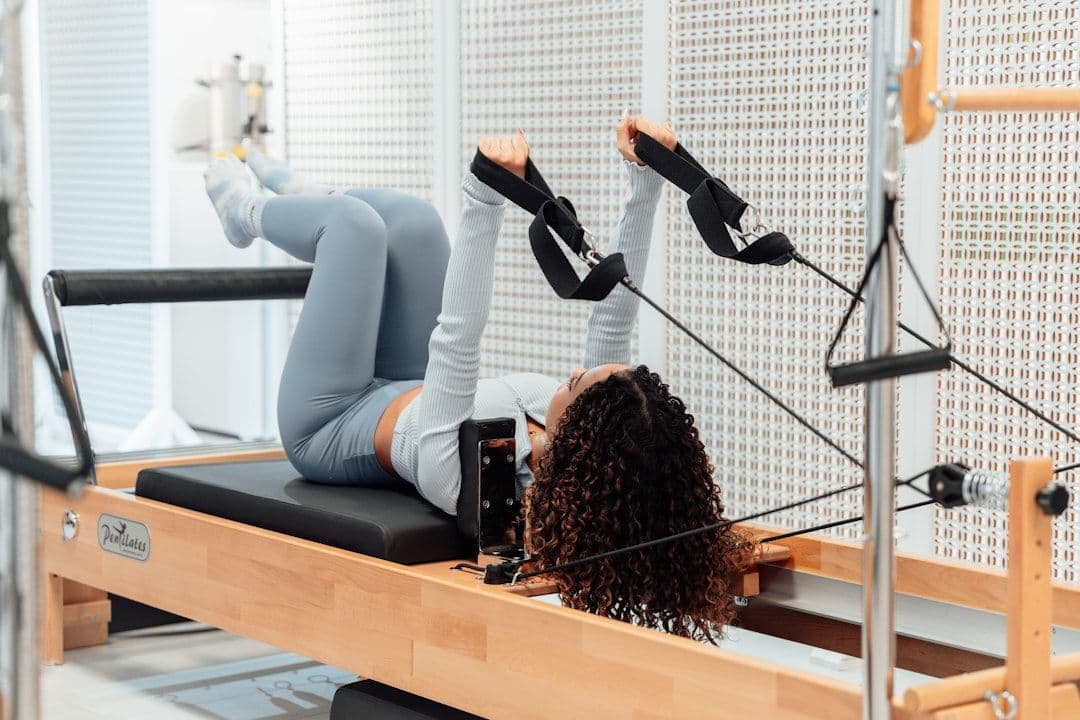
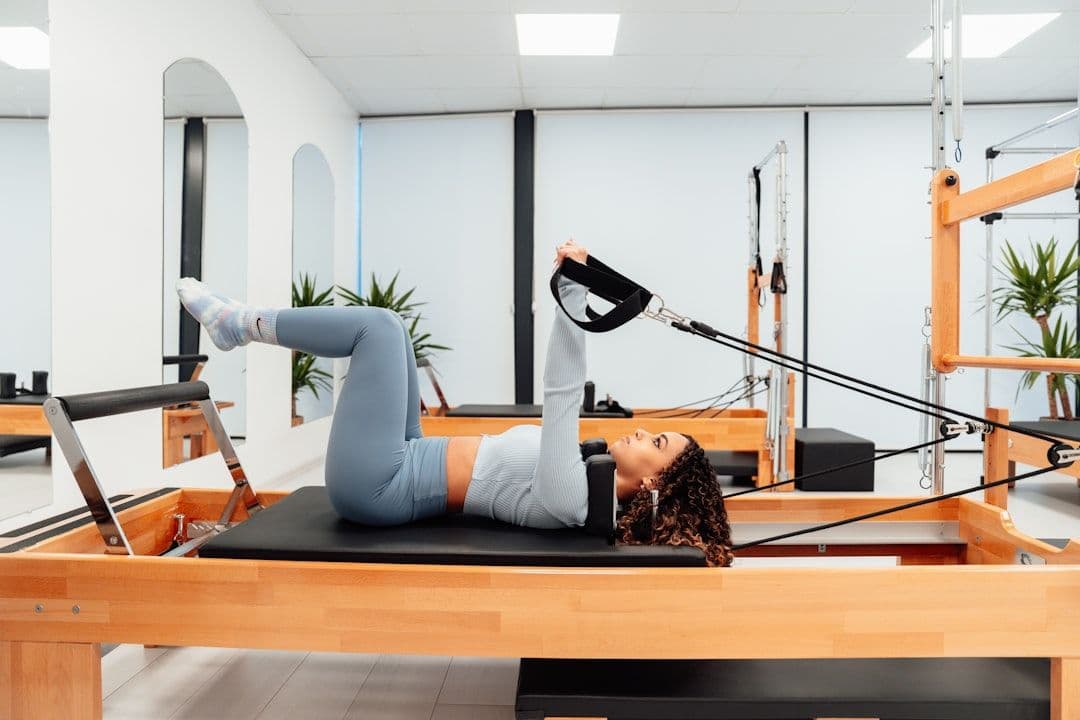
Clinical Pilates adapts Joseph Pilates' original exercise system for therapeutic application. Exercises are modified and progressed based on clinical assessment, imaging findings, and functional goals. Equipment used includes the reformer, trapeze table (Cadillac), Wunda chair, and mat work. Clinical Pilates addresses low back pain, post-surgical rehabilitation, pelvic floor dysfunction, osteoporosis, scoliosis, antenatal/postnatal fitness, and sports injury rehabilitation. Sessions may be individual or small-group (maximum 3–4), always supervised by a clinically qualified practitioner.
Top symptoms
Mechanism
Clinical Pilates is usually understood through movement, breath, attention, and repeated practice. A session may invite the body to explore safer patterns, steadier pacing, or a more settled relationship with sensation. Some traditions describe this as balancing energy or awareness, while contemporary explanations may focus on coordination, nervous system regulation, mobility, and confidence. Experiences vary by person, teacher, setting, and consistency. Clinical Pilates works through core stabilisation, motor control retraining, and progressive loading of the musculoskeletal system.
Your first visit
A typical session outline to help you feel prepared
A Clinical Pilates session combines physiotherapist-led movement assessment with tailored mat and equipment exercises to support your body's strength and function.
Your physiotherapist will greet you and review a health intake form covering your injuries, medical history, and movement goals. This helps them understand exactly what your body needs before any movement begins.
You'll be observed standing, walking, and performing a few simple movements so the therapist can assess your posture, alignment, and any muscle imbalances. This clinical eye is what sets this apart fr
Based on the assessment, your physiotherapist explains what they found and outlines a personalized exercise plan for the session. You're encouraged to ask questions so you understand the reasoning behind each choice.
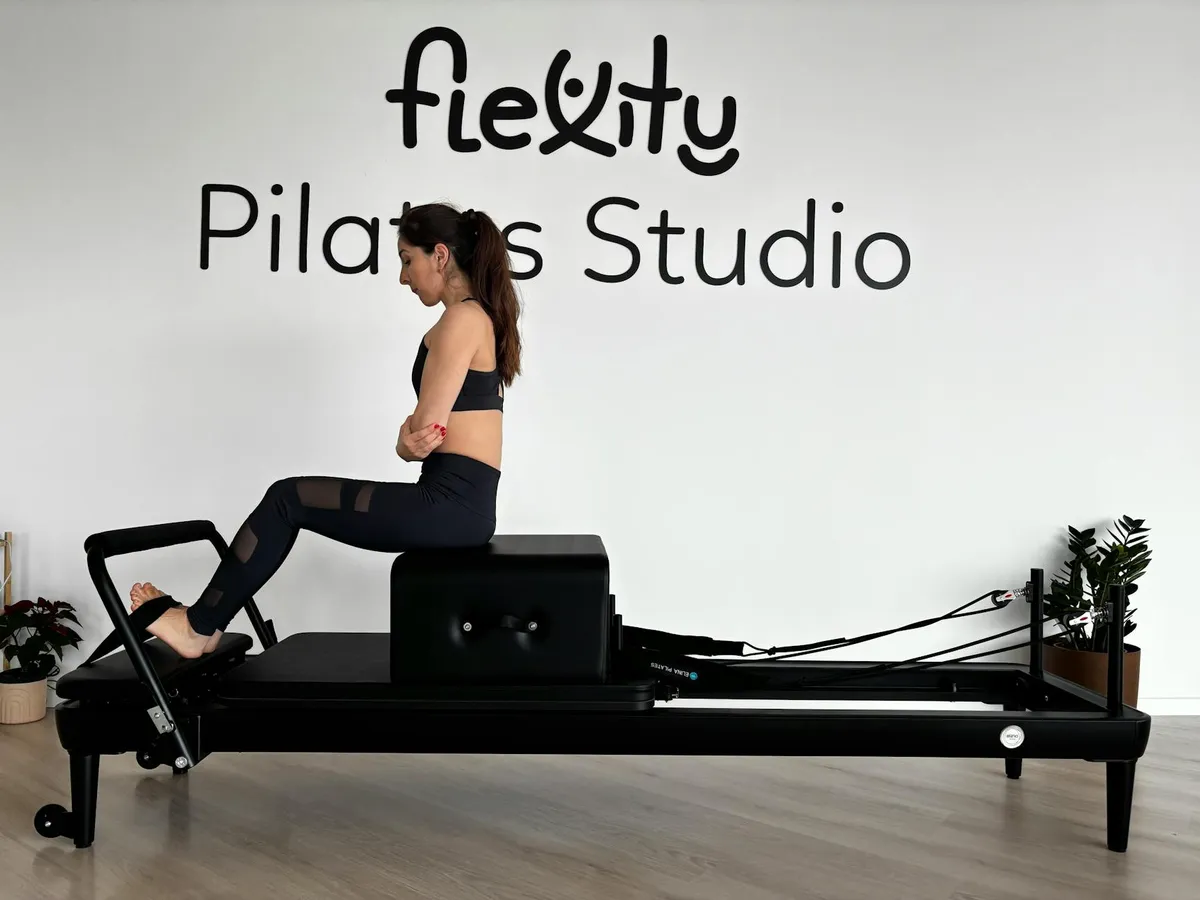
You'll be introduced to any equipment being used, such as the Reformer, Cadillac, mat, or small props like resistance bands and foam rollers. Wear comfortable, form-fitting clothing so the therapist c
You'll move through a structured series of exercises at a controlled pace, with your therapist giving precise verbal and hands-on cues to correct form. Expect to feel muscles working that you didn't k
As the session continues, exercises are adjusted in real time based on how your body is responding, making things more or less challenging as needed. Nothing is rushed, and you're always in control of your comfort level.
The session winds down with gentle stretching or breathing exercises to settle your nervous system and release any tension built during the workout. Your therapist will check in on how you're feeling
Before you leave, you'll often receive a small set of exercises to practice at home between sessions to maintain progress. Your therapist will also discuss how frequently to attend based on your indiv
The Evidence
What research and clinical practice say about Clinical Pilates as a supervised, assessment-guided exercise approach.
Clinically adapted Pilates has meaningful research support
Clinical Pilates has a growing evidence base, particularly for low back pain, pelvic floor rehabilitation, and post-surgical recovery. Evidence quality varies by condition, and it is best understood as a supervised adjunct to qualified care rather than a standalone intervention.
Multiple systematic reviews and randomised controlled trials support Clinical Pilates for reducing low back pain and improving function. Evidence for pelvic floor, postnatal recovery, and scoliosis management is emerging but less robust. Research quality varies, and most studies involve small samples. Overall, the evidence base is moderate and growing.
Clinical Pilates is delivered by practitioners with formal health qualifications — typically physiotherapists or exercise physiologists — who modify exercises based on assessment findings and functional goals. This clinical oversight allows safe progression for people with injury, post-surgical status, or complex presentations where unsupervised exercise may not be appropriate.
As a complementary modality, Clinical Pilates is commonly integrated with physiotherapy, specialist medical management, or surgical aftercare. It supports rehabilitation goals such as motor control, strength, and functional movement. It is not a substitute for professional assessment of underlying conditions and should be coordinated with the person's broader health team where relevant.
Adverse events are uncommon when sessions are individually assessed and supervised. Exercises are modified for conditions including osteoporosis, pregnancy, and post-surgical recovery. Participants should inform their practitioner of all relevant health history, imaging findings, and current symptoms before commencing. Those with acute injury or unmanaged medical conditions should seek professional assessment first.
New or worsening neurological symptoms — such as numbness, tingling, or limb weakness — should be assessed by a qualified health professional before continuing exercise. Unexplained pain, significant changes in bladder or bowel function, or symptoms following surgery warrant prompt professional review. Clinical Pilates practitioners are trained to identify when onward referral is appropriate.
Most Clinical Pilates research involves relatively small study populations, and findings do not always generalise across conditions or populations. Long-term outcome data is limited for several applications. Access and cost vary significantly by location. Individuals should maintain realistic expectations and discuss goals with their practitioner rather than relying on inflated outcome claims.
Safety first
General guidance to help you decide whether this approach is appropriate for you. This is informational only and not a substitute for medical, psychological, or professional advice.
If you are pregnant, managing a health condition, recovering from injury or surgery, or taking medication, consult a qualified healthcare professional first.
Some situations call for extra care or a different approach. Share any conditions, injuries, or sensitivities with your practitioner before your first session.
Look for clear boundaries, transparent pricing, and practitioners who avoid fear-based claims or pressure to book frequent sessions.
Mild, short-lived effects such as tenderness, tiredness, or temporary soreness can occur. Rest, hydrate, and tell your practitioner how you respond.
Explore approaches
Other practices people often explore alongside clinical pilates.
In their words
FAQ
Clinical Pilates is prescribed by physiotherapists based on clinical assessment, uses exercises modified for individual pathology, and targets specific rehabilitation goals. Studio Pilates is fitness-focused and delivered by Pilates instructors without clinical assessment.
Low back pain, post-surgical rehabilitation, pelvic floor dysfunction, osteoporosis management, scoliosis, antenatal/postnatal rehabilitation, and sports injury recovery.
A clinical assessment by a physiotherapist is recommended before starting clinical Pilates. In some healthcare systems, a doctor referral may be required for insurance or health fund coverage.
References
Educational sources that inform this overview. Inclusion is for context and does not imply endorsement.
Full citations are maintained by the Gyfts editorial team and reviewed periodically.
Keep exploring
Browse practitioners, explore honest overviews, and take what you learn to a conversation — at your own pace.