What It Is
A condition where pelvic floor muscles are too tight, weak, or poorly coordinated
Understanding your pelvic floor, one step at a time
At a glance
What It Is
A condition where pelvic floor muscles are too tight, weak, or poorly coordinated
How It Presents
Pelvic pain, leaking, urgency, heaviness, or discomfort with intimacy or movement
What May Help
Pilates, acupuncture, somatic therapy, and yoga are commonly explored for support
Evidence Context
Research is emerging; specialist physiotherapy has the strongest current evidence base
See the evidence snapshotWhen to Seek Help
Seek care promptly for fever with pelvic pain, blood in urine, or sudden loss of bladder control
Explanation
The pelvic floor is a complex bowl of muscles that supports our core, but it is also a center where many people hold deep emotional and physical tension. Hypertonic (too tight) or hypotonic (too loose) pelvic floors can lead to pain, incontinence, and painful intimacy. Holistic care involves specialized pelvic floor physical therapy, trauma-sensitive yoga, breathwork to coordinate the diaphragm with the pelvic floor, and somatic therapies to release stored emotional guarding.
Could this be you
Pelvic Floor Dysfunction shows up differently for everyone. Browse by how it tends to be felt — these are common experiences, not a checklist or a diagnosis.
Common experiences people describe — not a diagnostic checklist.
Why it happens
Pelvic Floor Dysfunction usually comes from a mix of factors rather than a single cause. These are common contributors — not certainties.
Childbirth, hormonal shifts, and pelvic anatomy may influence how well the pelvic floor muscles function over time.
Chronic stress and anxiety can contribute to persistent muscle guarding and tension in the pelvic floor region.
Pelvic surgery, chronic straining, and prolonged sitting are commonly associated with pelvic floor muscle changes.
Poor sleep may heighten pain sensitivity and reduce the body's ability to recover from muscular tension and fatigue.
What happens in the body
Pelvic Floor Dysfunction can involve several of the body’s systems. These are common patterns researchers describe — how they show up varies from person to person.
The pelvic floor muscles may become hypertonic or hypotonic, disrupting their ability to coordinate support, continence, and load transfer through the pelvis.
When pelvic floor muscle tone is dysregulated, the sphincter mechanisms that manage bladder and bowel pressure may become less reliable, contributing to urgency or leakage.
Persistent pelvic tension or injury may sensitize local nerves over time, so that the pelvic region registers pain signals at lower thresholds than would otherwise be expected.
The pelvic floor is thought to be a common site where chronic stress and unresolved emotional tension may manifest as guarding or bracing patterns in the surrounding muscles.
Process
Management
A specialist physiotherapist may assess muscle coordination and guide targeted exercises or manual therapy to help address tension, weakness, or coordination issues in the pelvic floor.
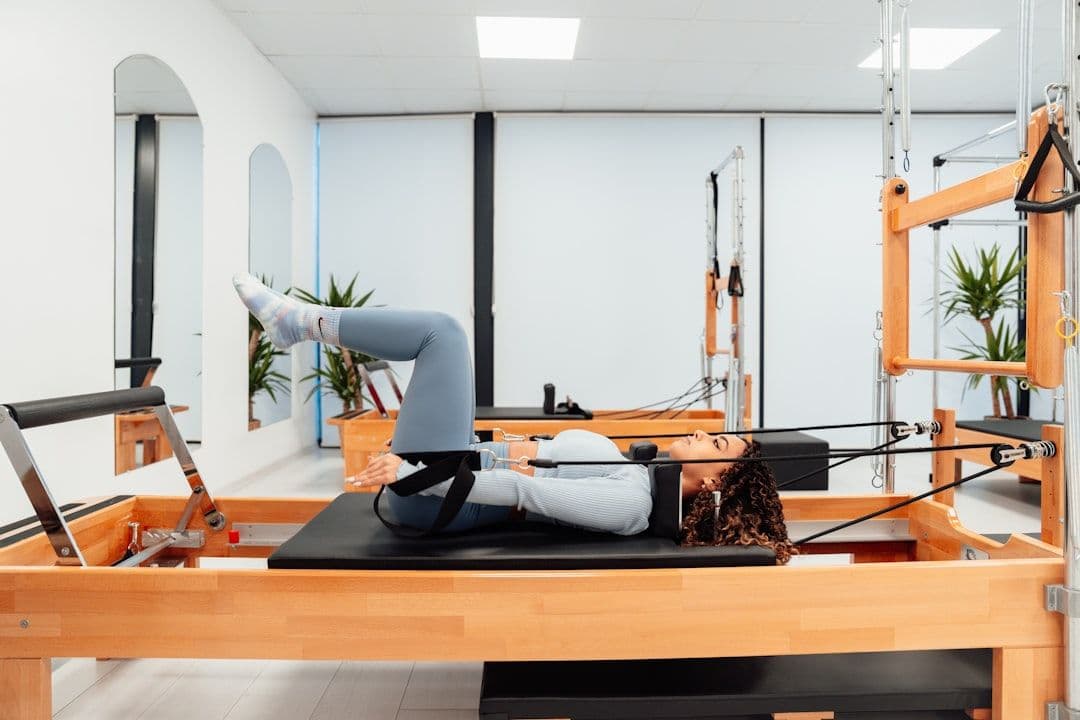
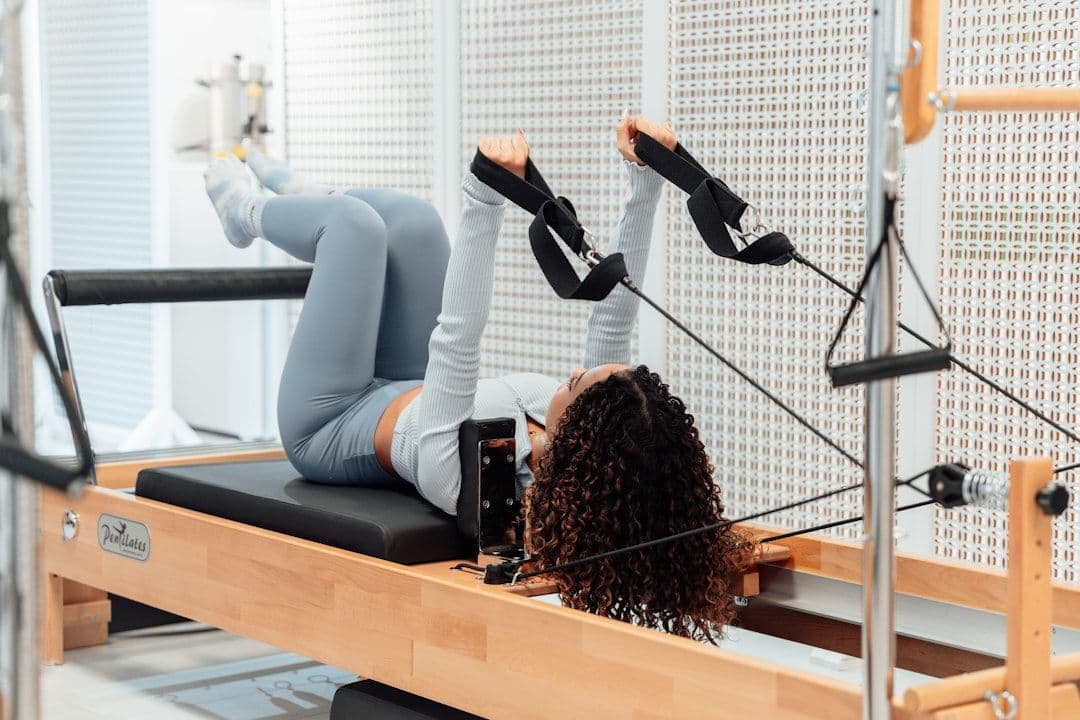
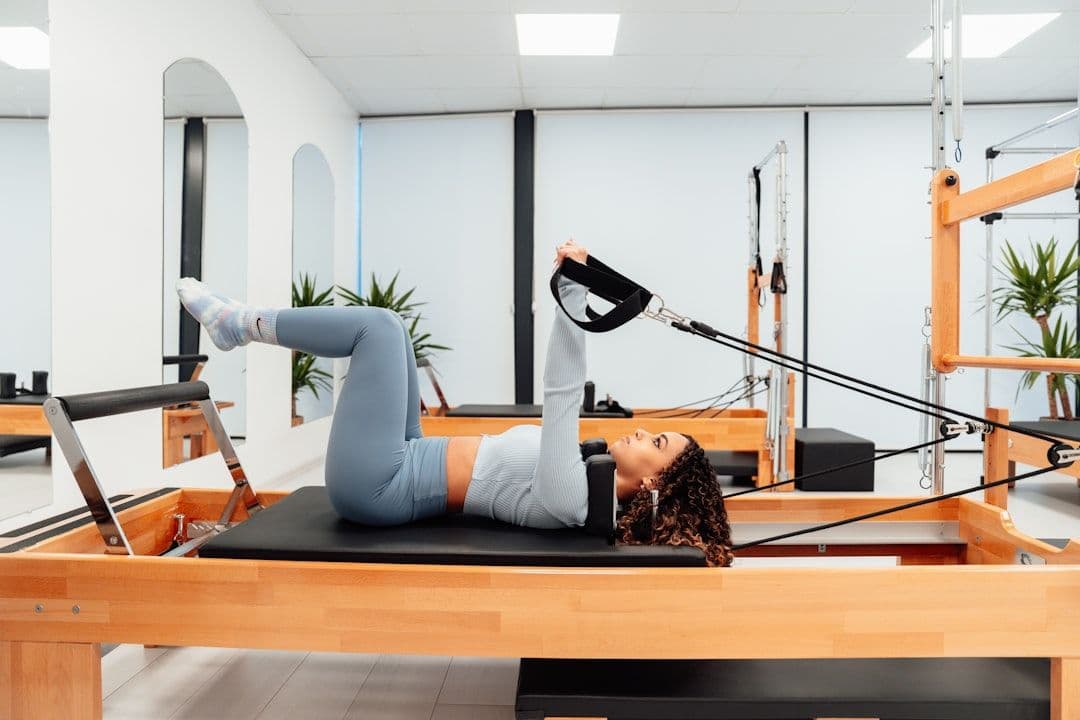
Pilates-based movement, particularly when guided by a clinical instructor, may support core awareness and pelvic floor coordination, which some people find helpful alongside physiotherapy.
Some people find acupuncture sessions useful for managing pelvic pain and muscle tension associated with pelvic floor dysfunction, though evidence remains emerging and individual responses vary.
A doctor may discuss options such as muscle relaxants, topical treatments, or referral for biofeedback therapy depending on the nature and severity of symptoms.
Somatic approaches and mindfulness practices may support the connection between nervous system tension and pelvic muscle holding patterns, which some practitioners suggest contributes to pelvic floor symptoms.
Self-Care
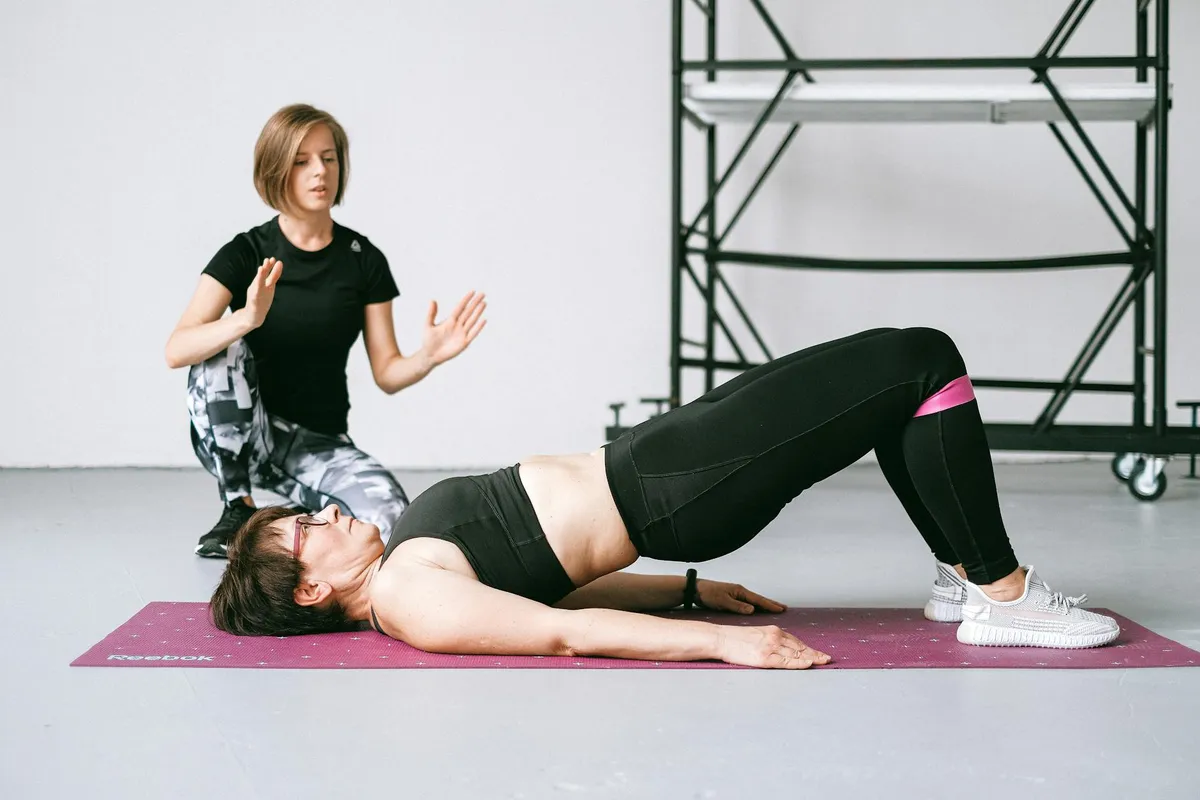
Specialist-guided exercises may support muscle coordination and reduce symptoms more effectively than self-directed attempts alone.
Breaking up long periods of sitting with gentle movement may help ease pelvic pressure and muscle tension over time.
Gentle attention to posture and low-load core engagement, ideally guided by a professional, may support pelvic floor function during daily activities.
Mindfulness, diaphragmatic breathing, or somatic approaches may help ease pelvic muscle tension linked to chronic stress responses.
Some people find that reintroducing activity slowly, with awareness of symptoms, helps avoid overloading the pelvic floor during recovery.
The Evidence
What research currently tells us about holistic and specialist approaches to pelvic floor health.
Strong foundation in physiotherapy, growing support for holistic care
Pelvic floor physiotherapy is among the better-supported areas of musculoskeletal care, with RCT-level evidence for several approaches. Complementary methods such as yoga, mindfulness, and somatic therapy show promising early results, particularly when combined with specialist physical therapy.
Pelvic floor physiotherapy has robust evidence for both hypertonic and hypotonic dysfunction. Biofeedback-assisted training is supported by multiple RCTs. Yoga and Pilates adapted for pelvic health show emerging positive results. Multidisciplinary approaches combining physical therapy with psychological support are consistently recommended in clinical guidelines.
Research supports the idea that ongoing pelvic tension can lower local pain thresholds over time, making the region more reactive. Mindfulness-based approaches and somatic therapies are increasingly studied for their role in interrupting this cycle. Evidence is still developing, but early findings are encouraging for people with chronic pelvic pain.
Specialist physiotherapy addresses muscle coordination and load management. Breathwork supports diaphragm-pelvic floor synchrony. Trauma-sensitive yoga and somatic therapies may help release guarding patterns linked to stress or past experience. Evidence favours combining these approaches rather than relying on any single intervention.
Seek prompt professional assessment for sudden loss of bladder or bowel control, blood in urine, pelvic pain with fever or chills, unexplained pelvic bleeding, or signs of acute prolapse. These symptoms may indicate conditions requiring medical attention and should not be managed with self-directed approaches alone.
Kegel exercises may worsen hypertonic pelvic floor conditions where muscles are already too tight. Internal pelvic floor work should only be performed by a qualified pelvic health physiotherapist. Core strengthening may need modification for pelvic organ prolapse. Pelvic pain with fever or post-menopausal bleeding requires urgent medical review.
Pelvic health physiotherapists are trained to assess both hypertonic and hypotonic presentations and can guide safe, personalised rehabilitation. Complementary practitioners — including yoga therapists, somatic therapists, and acupuncturists — may offer valuable adjunct support. Gyfts does not replace professional assessment; it helps you explore what options may be relevant to your situation.
Safety first
Pelvic Floor Dysfunction is manageable, and support helps. Some situations call for prompt professional help.
Explore approaches
Practices people explore for pelvic floor dysfunction — alongside professional care.
FAQ
Some people find that practices like yoga, Pilates, and somatic therapy may support pelvic muscle awareness and tension relief. These are often explored alongside specialist physiotherapy rather than as a replacement for it.
Leaking is common after childbirth but is not inevitable or permanent. Many people experience significant improvement with pelvic floor physiotherapy and targeted movement practices when addressed with appropriate support.
Yes. Some people find their symptoms stem from pelvic floor muscles that are overactive or tense rather than weak. Approaches like Mercier therapy and somatic therapy may support releasing this kind of tension.
Seek prompt medical attention if you experience sudden loss of bowel or bladder control, blood in your urine, or pelvic pain accompanied by fever. These symptoms warrant clinical evaluation before exploring complementary support.
Some practitioners suggest that mindfulness and somatic approaches may help with the stress and body-tension patterns that contribute to pelvic floor dysfunction. Early research is promising, though evidence is still emerging.
Keep exploring
Browse practitioners, explore honest overviews, and take what you learn to a conversation — at your own pace.