What Is Corporate Yoga?
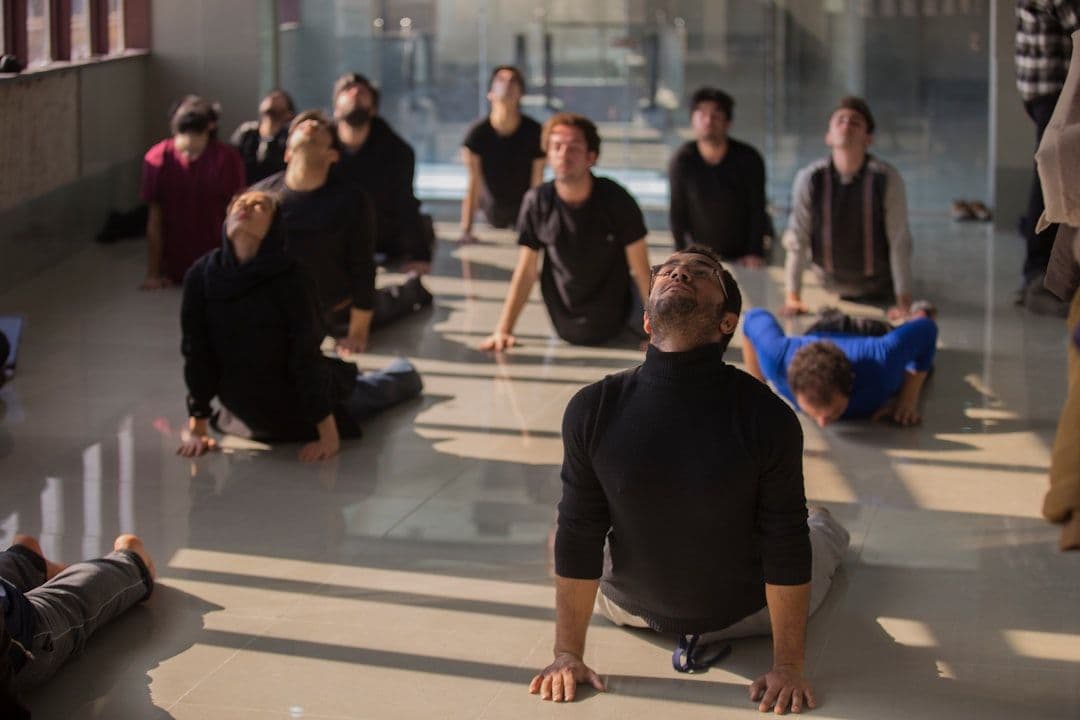
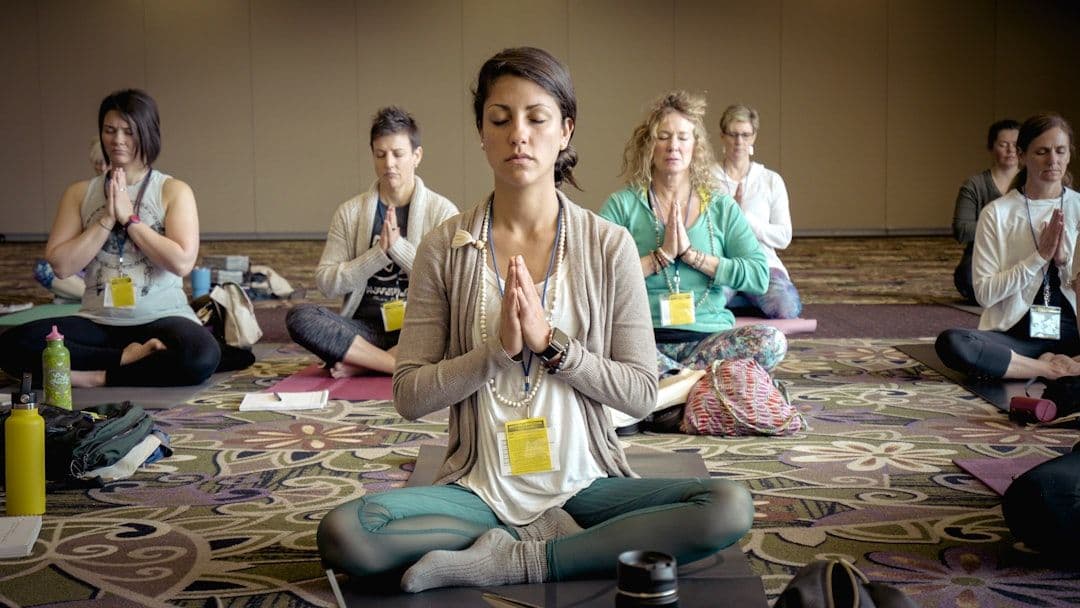
Picture a conference room where laptops have been pushed aside and employees are stretching their arms overhead, breathing deeply for the first time all day. This is corporate yoga: traditional yoga practices adapted for the realities of office life.
Unlike studio classes that might require significant physical flexibility or specialised clothing, workplace yoga focuses on accessible movements that can be done in work attire. Sessions typically emphasise gentle stretches for the neck and shoulders, breathing exercises to activate the parasympathetic nervous system, and brief mindfulness practices designed to reset mental focus.
The practice acknowledges that most office workers spend their days in positions that compress the spine, round the shoulders, and activate stress responses. Corporate yoga directly addresses these patterns with targeted movements and techniques that can be integrated into the working day.
From Ancient Practice to Modern Workplace
Yoga's journey from ashrams to corporate headquarters reflects broader changes in how we understand workplace health. The ancient practice of yoga—meaning "union" in Sanskrit—was designed to integrate physical, mental, and spiritual well-being.
Corporate yoga emerged in the 1980s as progressive companies began recognising the connection between employee stress and healthcare costs. Early adopters like Google and Nike found that offering on-site yoga classes improved both staff satisfaction and productivity metrics.
Today's workplace yoga programmes have evolved far beyond the early "lunch and learn" sessions. Many companies now integrate yoga into comprehensive wellness strategies, recognising that addressing physical tension and mental stress at their source—the workplace itself—can be more effective than treating symptoms later.
How Corporate Yoga Works
From a physiological perspective, corporate yoga activates several beneficial pathways. The gentle stretching movements help counteract the muscular imbalances created by prolonged sitting, particularly the tight hip flexors and weak gluteal muscles that contribute to lower back pain. Specific poses like seated spinal twists and shoulder blade squeezes directly address the rounded posture that develops from computer work.
The breathing techniques taught in workplace yoga activate the vagus nerve, triggering the body's relaxation response. This measurably reduces cortisol levels and heart rate variability—changes that can persist beyond the session itself.
Yoga's emphasis on present-moment awareness also provides a cognitive reset. Research suggests that even brief mindfulness practices can improve sustained attention and working memory, helping employees return to their tasks with enhanced focus.
What to Expect in a Session
A typical corporate yoga session runs 30-60 minutes, often scheduled during lunch breaks or at the end of the working day. No yoga mats or special clothing required—most movements can be adapted for chairs or small floor spaces in regular work attire.
Sessions usually begin with breathing exercises to help participants transition from work mode. The physical component focuses on areas that accumulate tension during office work: neck rolls to release cervical spine compression, seated twists to mobilise the thoracic spine, and hip flexor stretches to counteract prolonged sitting.
Many programmes include brief meditation or relaxation segments. These might involve guided body scans to increase awareness of physical tension or simple visualisation techniques to promote mental clarity. Sessions typically end with breathing exercises designed to help participants feel refreshed rather than sleepy.
The Evidence for Workplace Benefits
Several randomised controlled trials have examined corporate yoga's effects on employee health outcomes. A 2016 study of 87 office workers found significant reductions in perceived stress and back pain after an 8-week workplace yoga programme. Participants also showed measurable improvements in heart rate variability, suggesting enhanced stress resilience.
Research published in the Journal of Occupational Health Psychology demonstrated that employees participating in workplace yoga showed reduced emotional exhaustion and improved job satisfaction compared to control groups. These benefits appeared strongest among participants who attended sessions regularly over 12 weeks or more.
However, most studies have followed participants for relatively short periods, and the optimal "dose" of workplace yoga remains unclear. Some research suggests that brief, frequent sessions (15-20 minutes, 2-3 times weekly) may be more sustainable than longer, weekly classes, but this requires further investigation.
Finding the Right Programme
Corporate yoga instructors should hold recognised teaching qualifications—look for Yoga Alliance certification (RYT 200 minimum) or equivalent training through organisations like the British Wheel of Yoga. Additional training in workplace wellness or ergonomics can be valuable.
Costs vary significantly depending on location and programme structure. One-off sessions typically range from £80-150, while ongoing programmes might cost £400-800 monthly for weekly classes. Many instructors offer package deals for regular bookings.
Consider the instructor's experience adapting poses for office environments and working with diverse fitness levels. The best workplace yoga teachers understand that not everyone will be comfortable with physical adjustments or spiritual elements, and can modify their approach accordingly. They should also be prepared to work around common workplace constraints like limited space and time pressures.